Arabic Typography: A Thousand Years of Unresolved Challenges
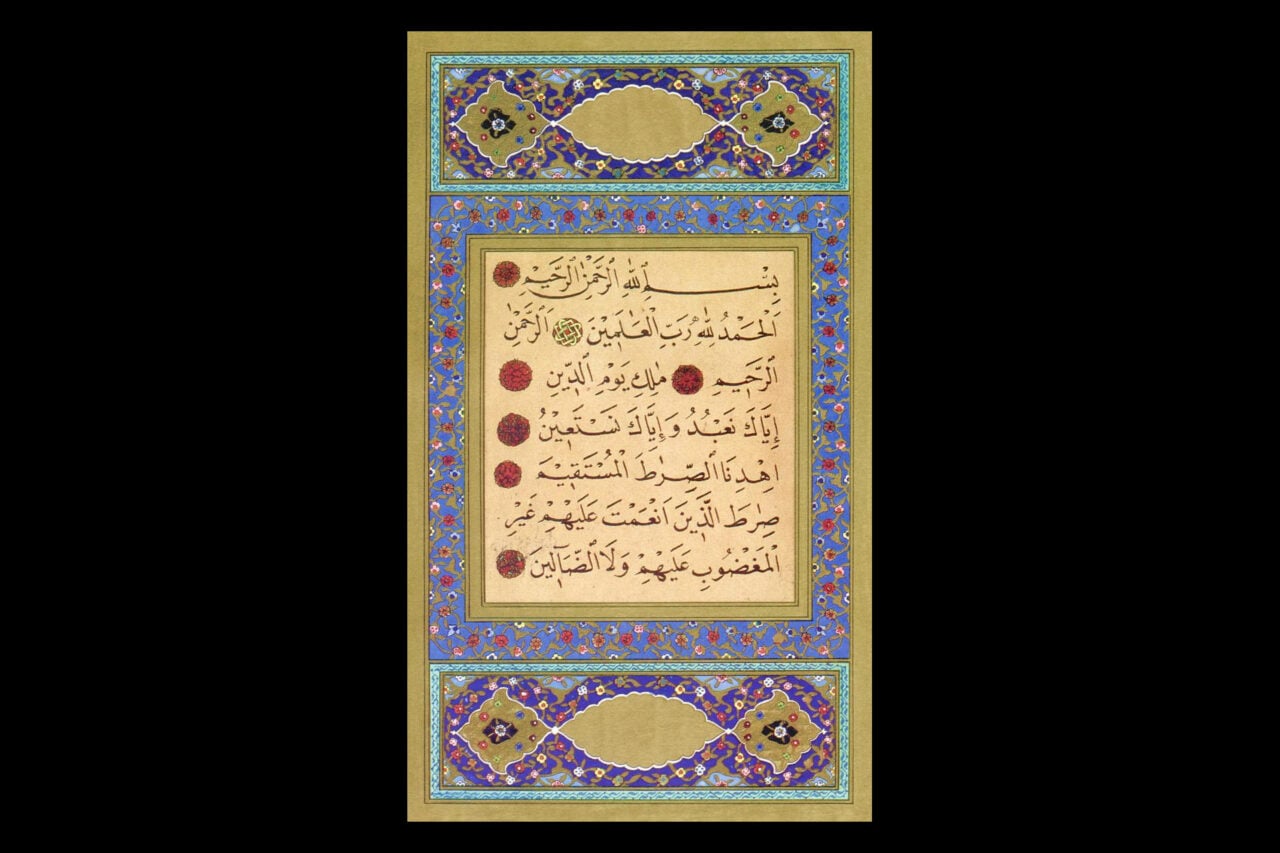
For a millennium, typographers have struggled to accurately represent Arabic script, leading to a series of makeshift solutions and workarounds. This enduring challenge has persisted despite numerous attempts to create definitive typographic standards. The complexity of Arabic script, with its cursive nature and ligatures, presents unique difficulties for digital and print representation. These issues have often resulted in compromises that do not fully capture the aesthetic or functional nuances of the language. One individual's recent declaration of a persistent problem as a "will not fix" highlights the ongoing frustration and the deep-seated nature of these typographic hurdles. This situation underscores the intricate relationship between language, technology, and design, where centuries-old linguistic forms meet modern rendering capabilities. The quest for perfect Arabic typography continues, reflecting a broader narrative of cultural adaptation in the digital age.
The persistent challenges in rendering Arabic typography highlight the historical tension between evolving technological capabilities and the preservation of complex, traditional linguistic forms. For over a thousand years, the intricate, cursive nature of Arabic script has resisted straightforward digital and mechanical reproduction, necessitating a series of 'kludges and workarounds.' This situation prompts reflection on how technological systems, often developed with Western scripts in mind, can adequately accommodate the diversity of global languages. The ongoing struggle suggests that a more integrated approach, potentially involving deeper collaboration between linguists, typographers, and software engineers, may be required to develop truly inclusive and accurate rendering solutions. Looking ahead, the development of AI-powered design tools could offer new avenues for addressing these long-standing typographic complexities, potentially bridging the gap between historical aesthetics and modern functionality.
AI-generated to prompt reflection — not editorial opinion, not advice, not a statement of fact. How this works.