Aracaju and São Cristóvão Sign Agreement on Municipal Boundary Demarcation
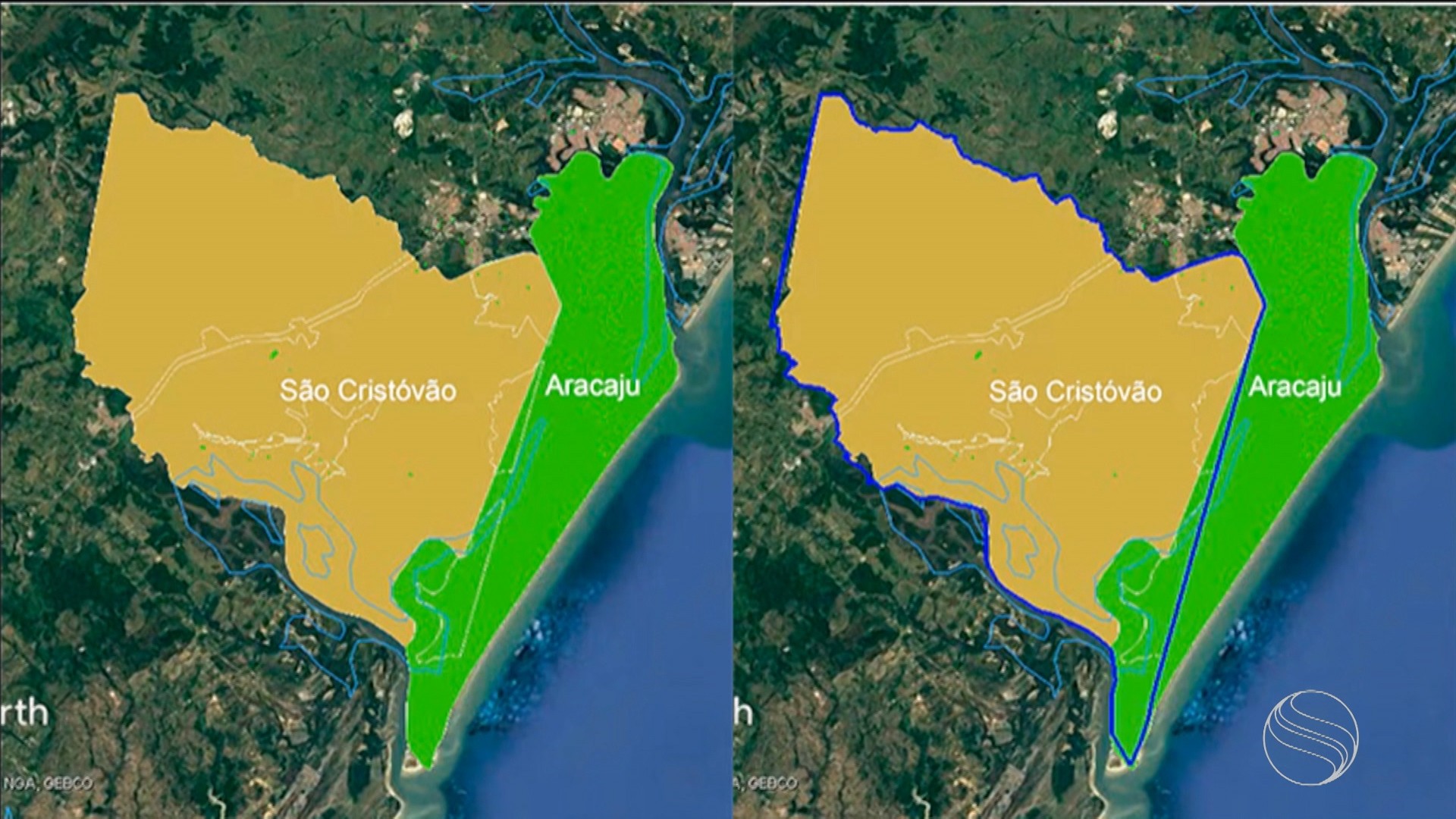
The municipalities of Aracaju and São Cristóvão have signed a Technical Agreement to validate a georeferenced survey of their new boundary line. This georeferenced process involves mapping and assigning exact geographic coordinates to the disputed area. The agreement fulfills a Federal Justice mandate and is crucial for organizing a plebiscite, allowing residents in the affected zones to vote on which municipality they wish to belong to. The signed document will be sent to the 3rd Federal Court and the Brazilian Institute of Geography and Statistics (IBGE).
According to Aracaju's Attorney General, Hunaldo Mota, this technical alignment was a legal prerequisite for initiating the analyses leading to the plebiscite. He assured that residents in the affected region will not be left without services while the legal definition is pending. This development follows a March approval by the Senate of a Complementary Law Project establishing guidelines for plebiscites before municipal territory is split and incorporated into another. Such a process now requires initiative from the state legislative assembly, a feasibility study, and voter approval in a plebiscite.
The territorial dispute has a long history, with the Supreme Federal Court (STF) upholding a 2012 Federal Justice ruling in 2014. This ruling deemed it unconstitutional for Aracaju to manage São Cristóvão's territorial limits after 1989 without consulting the affected population. The boundary change impacts the financial transfers from the Union and the state, leading to an increase for São Cristóvão and a decrease for Aracaju. The Sergipe State Legislative Assembly (Alese) began procedures in April to establish legal frameworks for such territorial divisions and incorporations.
The recent agreement between Aracaju and São Cristóvão to validate a georeferenced boundary survey and proceed towards a plebiscite addresses a long-standing territorial and fiscal dispute. This action aligns with evolving legal frameworks that prioritize local democratic consent over administrative fiat in matters of municipal boundaries. The process highlights the tension between centralized governance and the autonomy of local populations, particularly concerning resource allocation and service provision, which are directly impacted by these demarcation changes. As municipalities increasingly grapple with defining their jurisdictions in a dynamic urban environment, the precedent set by this case may inform future territorial adjustments, emphasizing the need for clear legal processes and public participation to ensure equitable outcomes and prevent protracted legal battles.
AI-generated to prompt reflection — not editorial opinion, not advice, not a statement of fact. How this works.