Aracaju Bet Wins R$63,000 in Mega-Sena Quina Prize
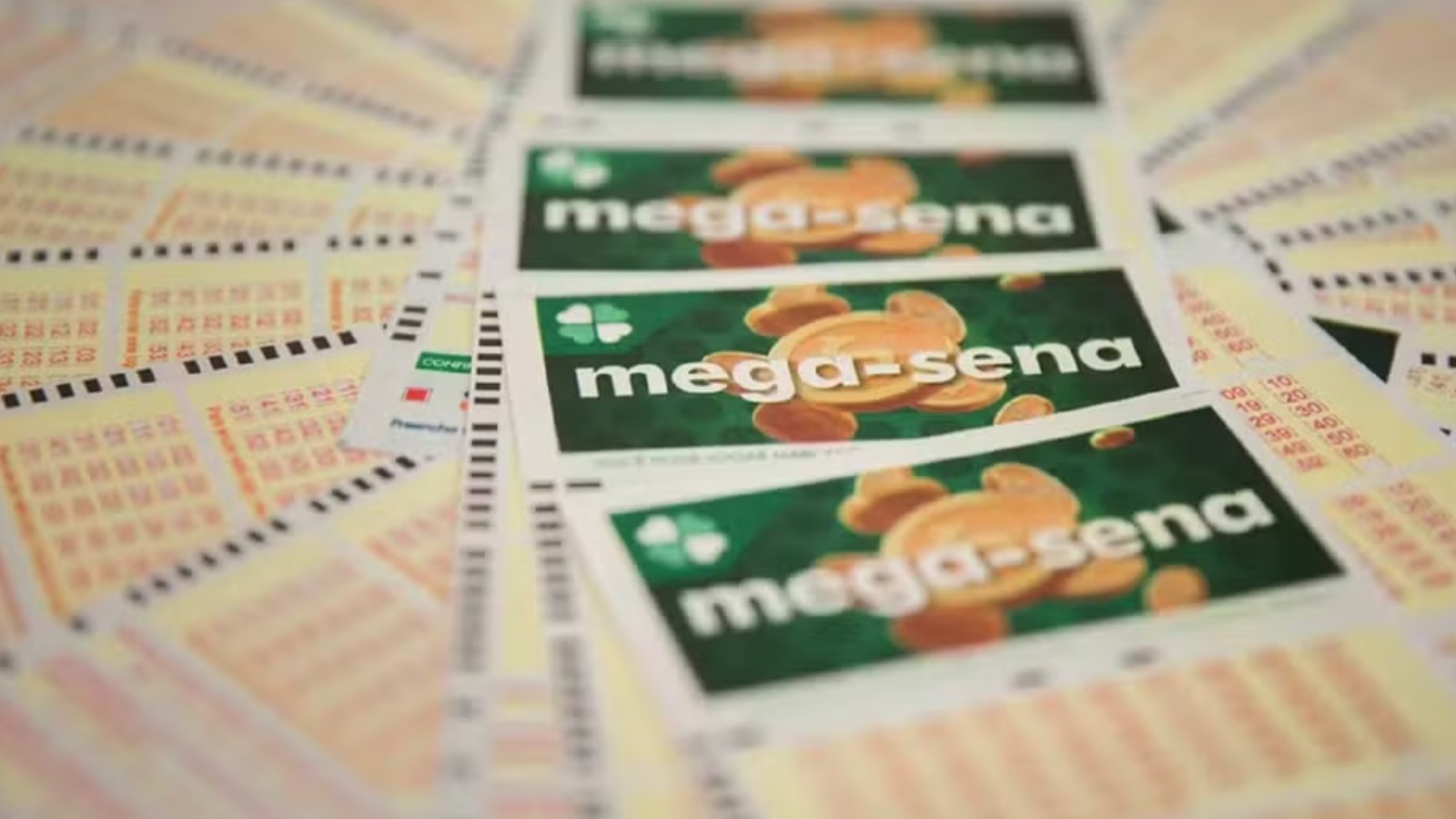
A lottery ticket purchased online in Aracaju, Sergipe, successfully matched five out of six numbers in Mega-Sena contest 3.037, which took place on Tuesday, May 28th. The winning numbers drawn were 02, 11, 22, 30, 51, and 54. The bet secured a prize of R$63,121.17. As no participant hit all six numbers, the main jackpot has now accumulated to R$86 million for the upcoming draw scheduled for Thursday, May 30th. G1 has been broadcasting all Caixa Lotteries draws live since April, accessible via their website and YouTube channel, with Mega-Sena having three weekly drawings on Tuesdays, Thursdays, and Sundays. Standard bets cost a minimum of R$6 and can be placed online until 8 PM Brasília time, or at any lottery house nationwide. Digital pool bets are available until 8:30 PM exclusively through the Loterias Online portal and app. Participants must be 18 years or older, and payments for online bets can be made via PIX, credit card, or Caixa internet banking. The probability of winning the main prize with a simple six-number bet is 1 in 50,063,860, while a maximum 20-number bet offers a 1 in 1,292 chance.
This Mega-Sena draw highlights the persistent appeal of lottery-based wealth accumulation, a system that relies on extremely low probabilities for its primary prize structure. While a significant payout was achieved for matching five numbers, the substantial rollover of the main jackpot underscores the inherent mathematical disparity between ticket sales and the odds of winning the top prize. The accessibility of online betting platforms and digital pools, alongside traditional channels, reflects a modernization of lottery operations to capture a wider demographic. From a systemic perspective, lotteries function as a regressive tax, disproportionately impacting lower-income individuals who may perceive them as a viable, albeit statistically improbable, path to financial security. The continued accumulation of large jackpots, while generating excitement, also raises questions about the long-term sustainability and societal impact of such high-stakes, low-probability games in an era increasingly focused on financial literacy and responsible economic behavior.
AI-generated to prompt reflection — not editorial opinion, not advice, not a statement of fact. How this works.