Aracaju City Council Approves R$4 Billion Budget for 2027
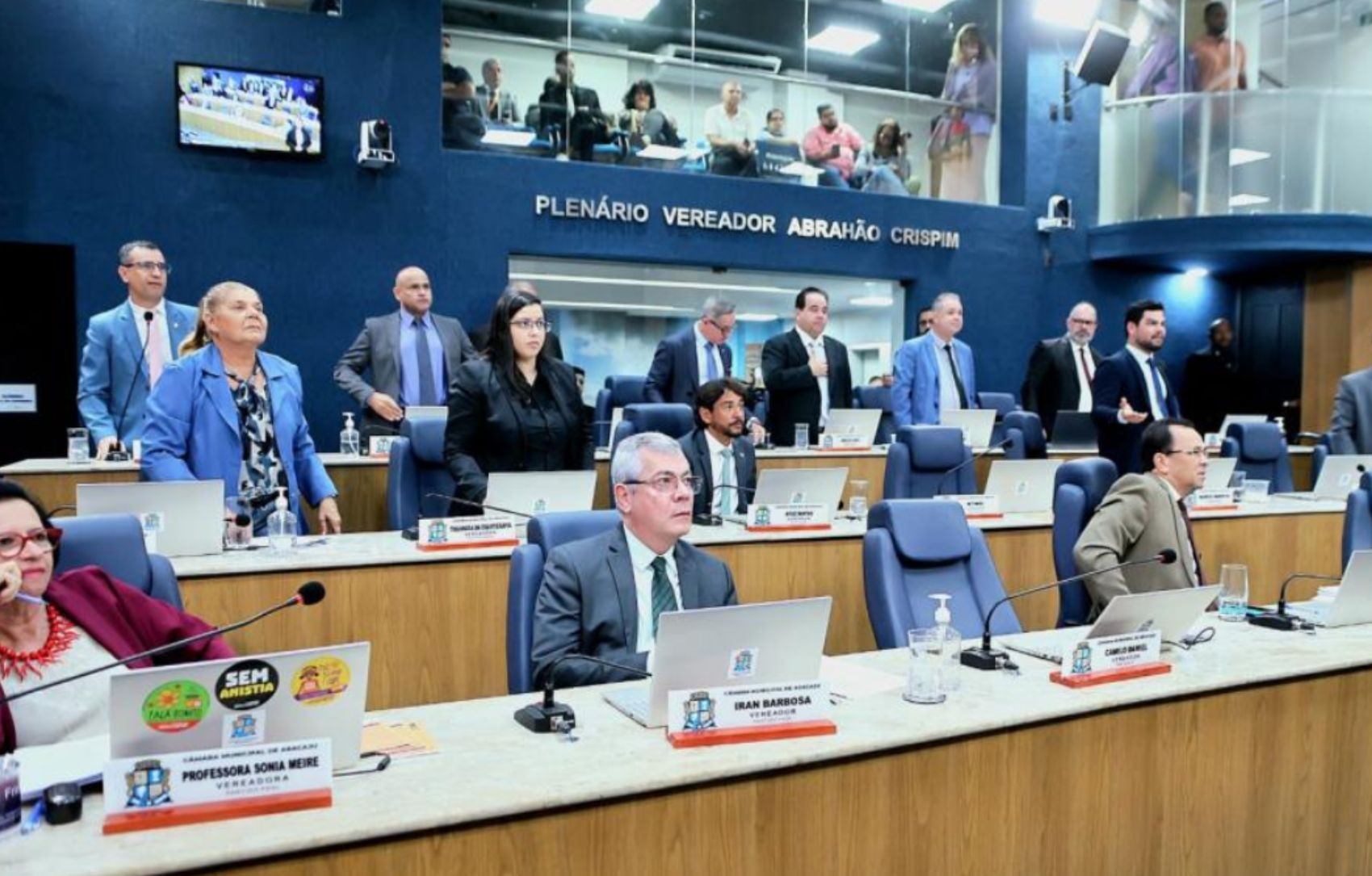
The Aracaju City Council has approved the 2027 Budgetary Guidelines Law (LDO), setting a budget of R$4 billion for the capital city. The bill, initiated by the municipal executive, was passed after deliberation on amendments proposed by council members and now awaits sanction from Mayor Emília Corrêa. The LDO outlines the goals and priorities that will guide the creation of the Annual Budget Law (LOA), which details the allocation of public funds for the upcoming year.
The approved project estimates revenues exceeding R$4.04 billion and total expenses of R$3.2 billion, excluding social security funds. Consolidated public debt is projected at R$1.6 billion. The budget also reserves 2% of the Net Current Revenue for mandatory councilor amendments.
Key strategic axes for the upcoming year include promoting social equity, urban transformation, and strategic management and innovation. Among the approved amendments, one championed by councilor Breno Garibalde, passed with 16 votes in favor and five against, prioritizes gradual implementation of a zero-fare public transportation program. Another significant amendment, proposed by Pastor Diego, mandates the installation of safety equipment on bridges, viaducts, and overpasses, requiring their use in new constructions and promoting life-valorization campaigns. This amendment received 13 votes in favor and ten against.
The approval of Aracaju's R$4 billion budget for 2027 reflects a municipal government's forward-looking fiscal planning, balancing projected revenues and expenditures while earmarking funds for councilor-driven initiatives. The inclusion of a zero-fare public transport program and enhanced infrastructure safety measures highlights a focus on social equity and urban well-being. However, the allocation of 2% of Net Current Revenue for mandatory amendments, while empowering local representatives, introduces a degree of fiscal rigidity that may challenge adaptive resource management in response to unforeseen economic shifts or evolving public needs over the next decade. Future budget cycles could benefit from exploring mechanisms that allow for greater flexibility while maintaining transparency and accountability in the allocation of public funds.
AI-generated to prompt reflection — not editorial opinion, not advice, not a statement of fact. How this works.