Aracaju Health Department Reports High Aedes aegypti Infestation in Three Neighborhoods
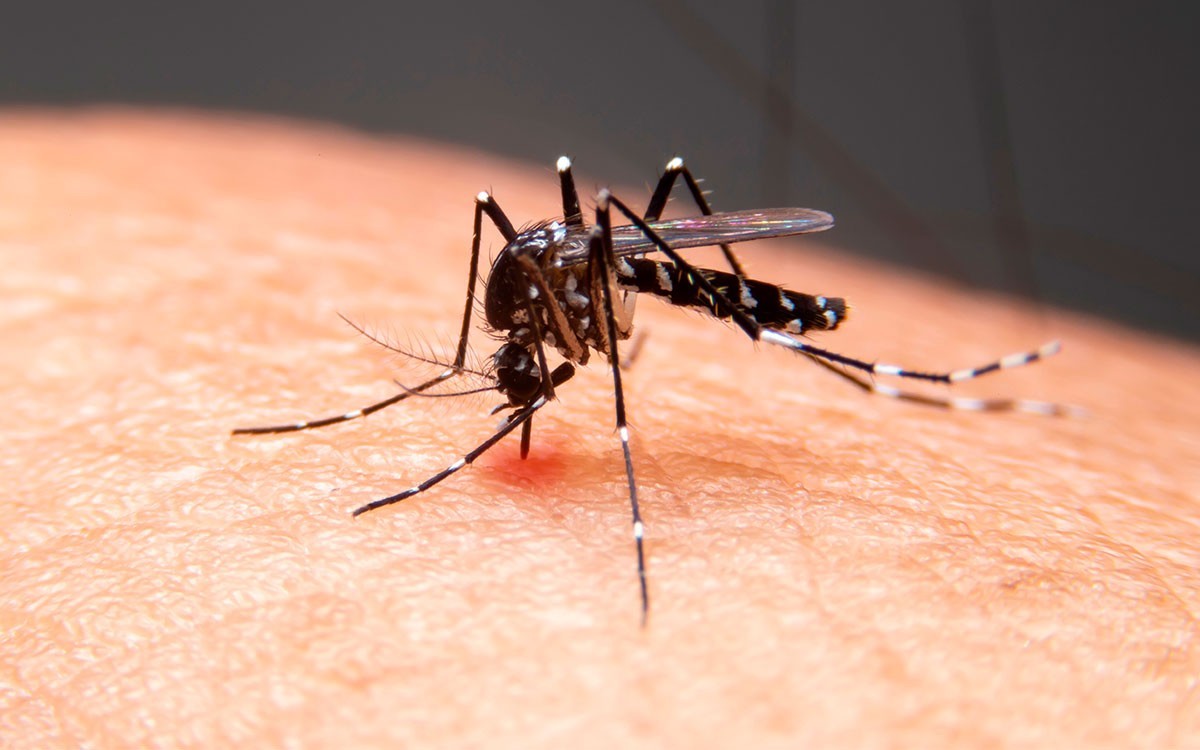
Aracaju, Brazil – Three neighborhoods in Aracaju have been identified as being at high risk for Aedes aegypti mosquito infestation, according to the fourth Rapid Index Survey of Aedes aegypti (LIRAa) of 2026, released by the Municipal Health Secretariat (SMS). The affected neighborhoods are Dom Luciano with a 5.9% infestation rate, Luzia at 4.8%, and Suíssa at 4.4%. Despite these localized high-risk areas, the overall infestation index for the capital city decreased from 1.9% in May to 1.5% in July, keeping Aracaju in the medium-risk category. Out of 48 neighborhoods surveyed between July 2nd and 10th, three are classified as high risk, 27 as medium risk, and 18 as low risk. Notably, several neighborhoods that previously showed critical infestation levels have seen significant reductions, including Cidade Nova (from 6.5% to 2.6%), Cirurgia (from 9.4% to 2.0%), Grageru (from 4.0% to 3.4%), and Santo Antônio, which achieved a zero infestation rate from a previous 4.5%. The survey also revealed that the majority of mosquito breeding sites are found inside homes, with 42.5% in plant pots and dishes, pet water bowls, and refrigerator compartments, and 40.4% in water storage containers like barrels and water tanks. From May to June 2026, Aracaju recorded 309 dengue notifications (31 confirmed) and 10 chikungunya notifications (6 confirmed), with two unconfirmed zika virus notifications. Program manager Daniel Nunes stated that the LIRAa data will guide intensified efforts, including home visits, larvicide application, and targeted spraying, particularly in vulnerable neighborhoods.
The LIRAa report highlights a common challenge in urban vector control: localized high-infestation zones within a generally improving city-wide average. This suggests that while broad public health strategies may be yielding positive results, targeted interventions are crucial for addressing specific community vulnerabilities. The concentration of breeding sites within residences underscores the need for sustained public education campaigns focused on household sanitation and water storage practices. Looking ahead, the integration of advanced data analytics and potentially AI-driven predictive modeling could further optimize the deployment of resources, identifying high-risk areas before they become critical and improving the efficiency of larvicide and fumigation efforts in the face of evolving mosquito resistance and environmental factors.
AI-generated to prompt reflection — not editorial opinion, not advice, not a statement of fact. How this works.