Aracaju Mayor Pursues October Plebiscite on Municipal Boundary Dispute
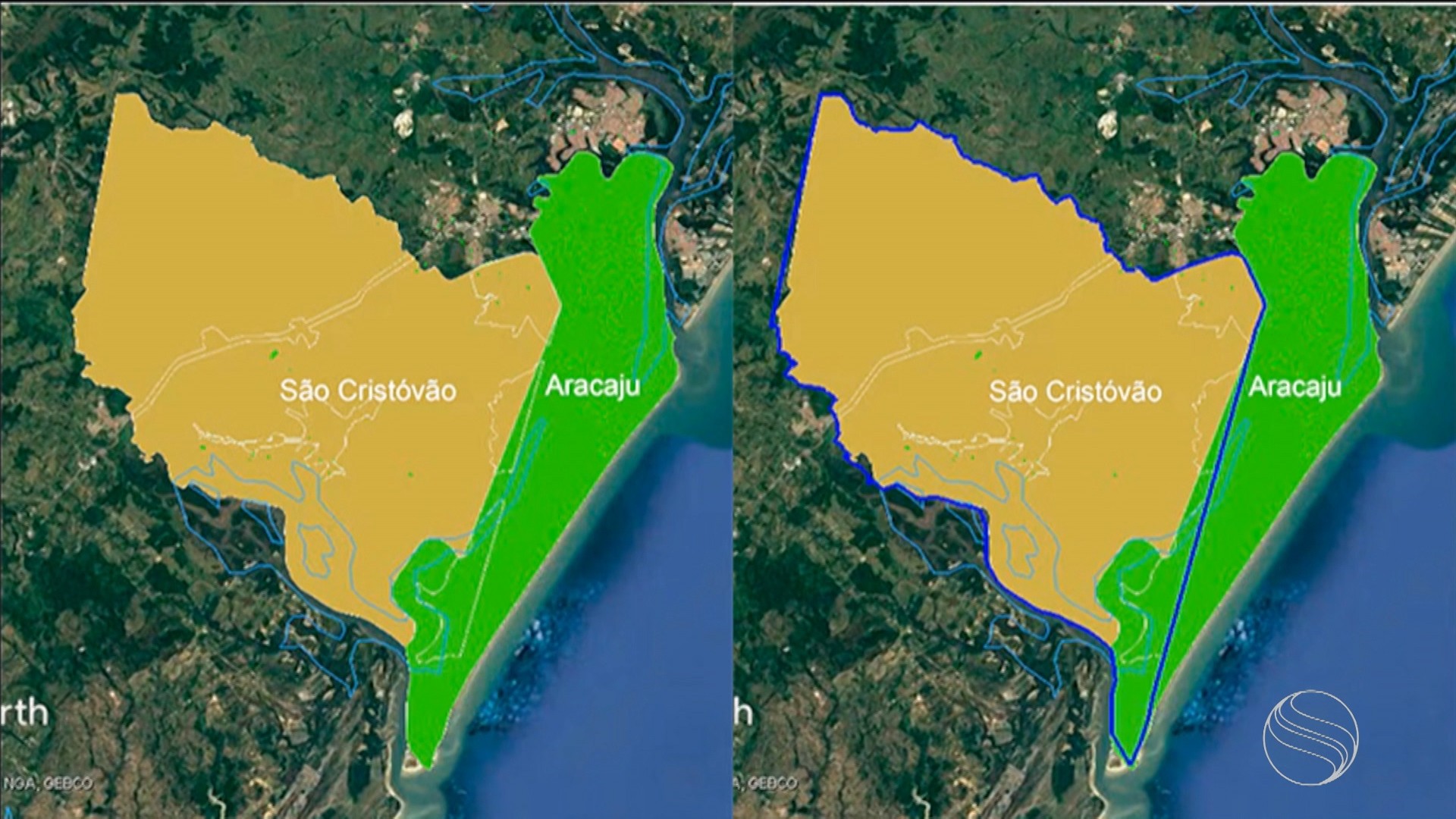
Aracaju's mayor, Emília Corrêa, is actively working towards holding a plebiscite in October to resolve the administrative boundary dispute between Aracaju and São Cristóvão. This initiative was discussed in a meeting on Thursday, May 30th, between Mayor Corrêa and the president of the Regional Electoral Court (TRE-SE), Judge Ana Lúcia Freire. The Attorney General of Aracaju, Hunaldo Mota, stated that the city aims for the plebiscite to occur, potentially coinciding with the second round of general elections this year. Mota clarified that a recent agreement between the municipalities is not a territorial concession to São Cristóvão but a procedural step to enable the plebiscite. Future steps include a municipal feasibility study by the Legislative Assembly, assessing the residents' sense of belonging in the affected areas, and submission to the TRE-SE for voting arrangements. Approximately 8,500 residents in the Areia Branca, Robalo, and Mosqueiro regions will be impacted by the outcome. This process is influenced by a Senate-approved bill from March that mandates plebiscites before municipal territory can be detached and incorporated into another municipality. Historically, a 2014 Supreme Court decision upheld a 2012 ruling deeming Aracaju's management of São Cristóvão's boundaries since 1989 unconstitutional due to a lack of public consultation. This ruling affects federal and state financial transfers, increasing them for São Cristóvão and decreasing them for Aracaju. The Sergipe State Legislative Assembly began procedures in April to establish legal frameworks for such territorial changes.
This situation highlights the complex interplay between municipal governance, historical boundary claims, and democratic consultation. The push for a plebiscite, while seemingly a straightforward democratic process, involves intricate legal and administrative steps, including feasibility studies and legislative approval, underscoring potential systemic delays. The financial implications of boundary changes, affecting resource allocation between municipalities, suggest that economic incentives may influence territorial disputes. Looking ahead, as urban areas continue to grow and merge, clear, efficient, and equitable frameworks for resolving boundary disagreements will be crucial for regional stability and public service delivery.
AI-generated to prompt reflection — not editorial opinion, not advice, not a statement of fact. How this works.