Aracaju Officially Adopts Municipal Anthem After 171 Years
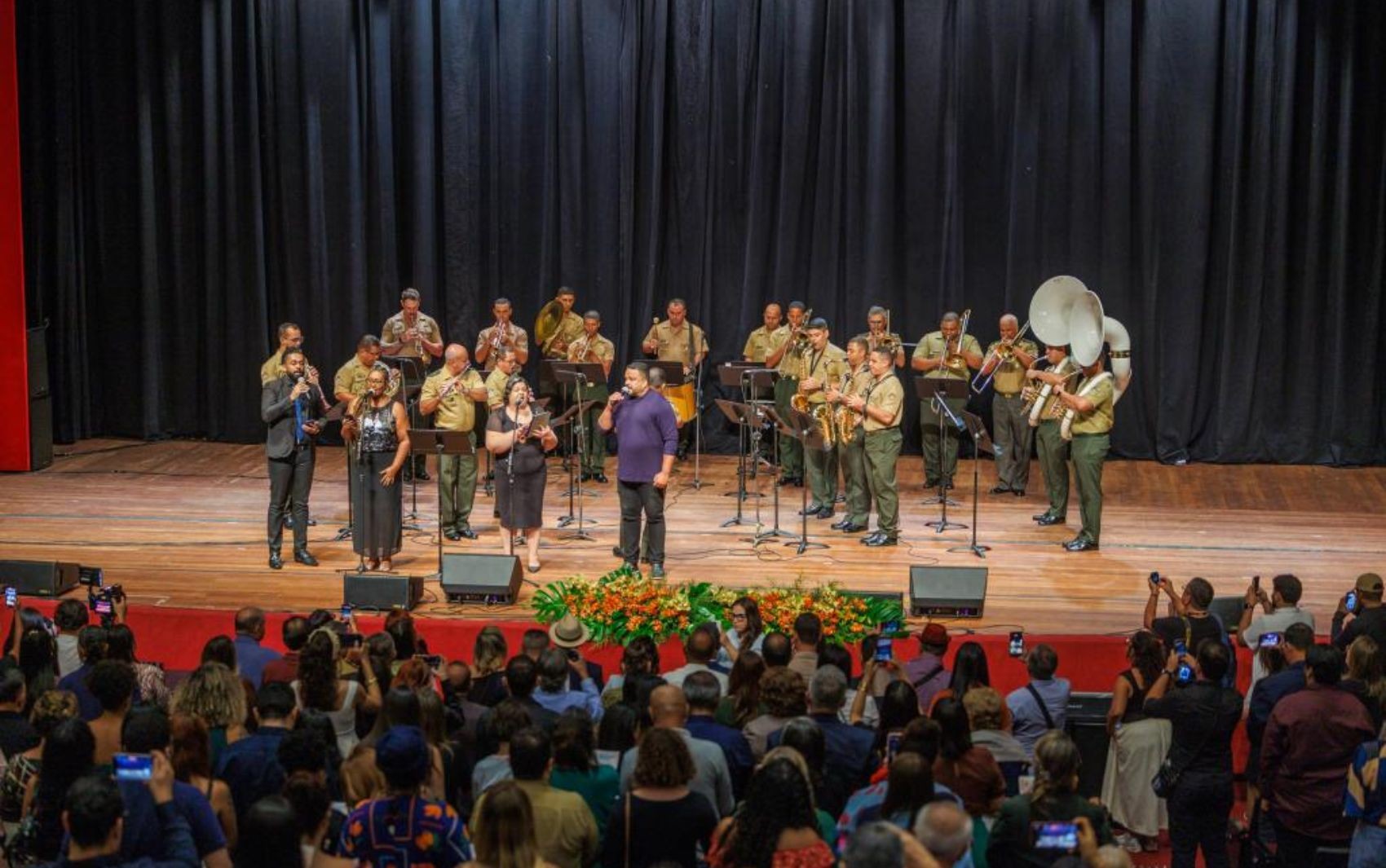
Aracaju, Brazil, has officially adopted its municipal anthem, 171 years after its founding. The presentation took place on Monday, May 27th, at the Teatro Tobias Barreto. With this officialization, Aracaju now possesses its three main civic symbols: the flag, the coat of arms, and the anthem. The anthem was recognized as an official symbol by Law No. 6.383, dated July 2, 2026. The composition is the work of maestro José Gentil Leite, who received a prize of R$12,000, along with a trophy and certificate. The official presentation featured three performances of the winning composition. These were performed by the Band of Music of the 28th Hunters Battalion, by vocalists of the work, and in a special appearance by artists Raquel Diniz and Lula Ribeiro. The selection process involved a judging committee of professionals in music, culture, and communication evaluating 38 submitted compositions. The evaluation utilized a blind methodology and independent voting to ensure impartiality. The lyrics celebrate Aracaju's origins, its location on the Sergipe River, and its distinctive grid layout, while also acknowledging historical hardships and praising the city's quality of life, beaches, and vibrant culture.
The formal adoption of a municipal anthem marks a civic milestone, reinforcing local identity and historical narrative. This process, involving a blind selection and a judging panel, aims for objective artistic merit and broad appeal, aligning with principles of good governance in cultural heritage. The inclusion of civic symbols like anthems, flags, and coats of arms is a common practice for municipalities seeking to solidify their distinctiveness and foster a sense of belonging among residents. The anthem's lyrics, referencing both geographical features and historical events, serve as a cultural touchstone, connecting past, present, and future generations. Future civic initiatives could explore how such symbols can be dynamically integrated into public life and education to enhance civic engagement and preserve cultural memory in an evolving urban landscape.
AI-generated to prompt reflection — not editorial opinion, not advice, not a statement of fact. How this works.