Aracaju Park Gets Automatic Defibrillators for Emergency Response
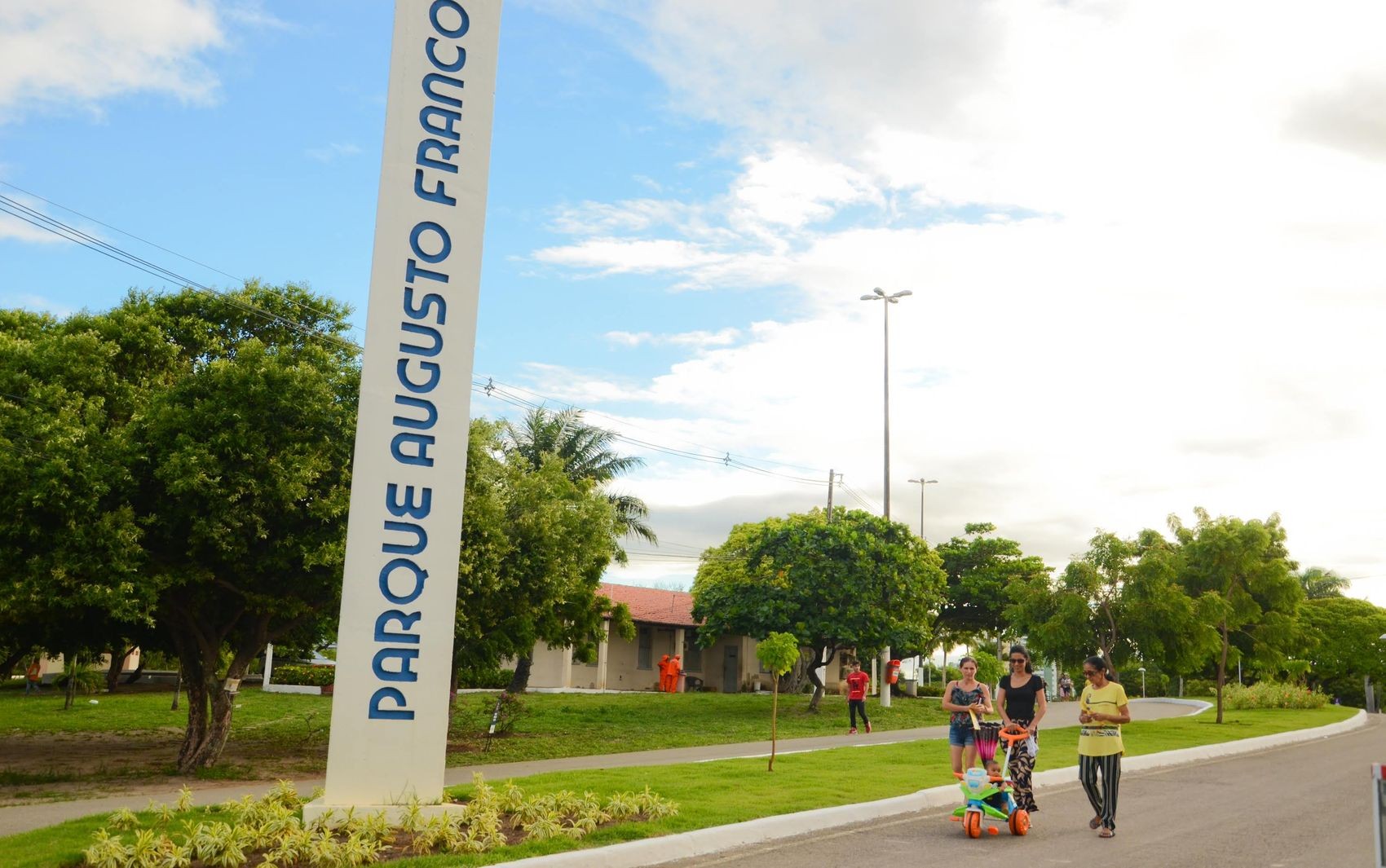
The Governador Augusto Franco Park, also known as Parque da Sementeira, in Aracaju, Brazil, has been equipped with automated external defibrillators (AEDs) to provide immediate care for cardiorespiratory emergencies. The city hall announced on Thursday, May 23rd, that these devices are strategically placed throughout the park to ensure swift assistance for visitors and athletes who may experience cardiac arrest. In addition to the AED units, municipal guards and park staff have undergone specialized training in operating the defibrillators and administering first aid until emergency medical services arrive. This initiative was a collaborative effort involving the Cooperativa dos Anestesiologistas de Sergipe (Coopanest/SE), the Sociedade de Anestesiologia do Estado de Sergipe (Saese), and the Salve Project. The Salve Project has previously trained over 2,500 students in public and private schools across the state in initial rescue procedures. AEDs are crucial for immediate intervention during cardiac arrest, significantly improving survival rates and minimizing the risk of severe long-term health issues when used within the first few minutes, alongside cardiopulmonary resuscitation (CPR) techniques.
The deployment of AEDs in public spaces like Aracaju's Parque Augusto Franco represents a proactive public health measure aimed at mitigating the immediate impact of sudden cardiac arrest. This initiative leverages accessible technology to empower bystanders and on-site personnel, thereby bridging the critical time gap before professional medical services can intervene. Such systems underscore a growing recognition of the importance of decentralized emergency response capabilities, particularly in areas with high foot traffic or recreational activity. The partnership model highlights a strategy for resource sharing between public entities and specialized medical organizations to enhance community safety infrastructure. Looking ahead, the integration of such life-saving technologies into urban planning and public facility management will likely become more prevalent as societies grapple with aging populations and the increasing incidence of cardiovascular events, emphasizing a shift towards preventative and immediate-response healthcare models.
AI-generated to prompt reflection — not editorial opinion, not advice, not a statement of fact. How this works.