Aracaju Reports Over 400 Venomous Animal Incidents in 2026, Scorpion Stings Predominate
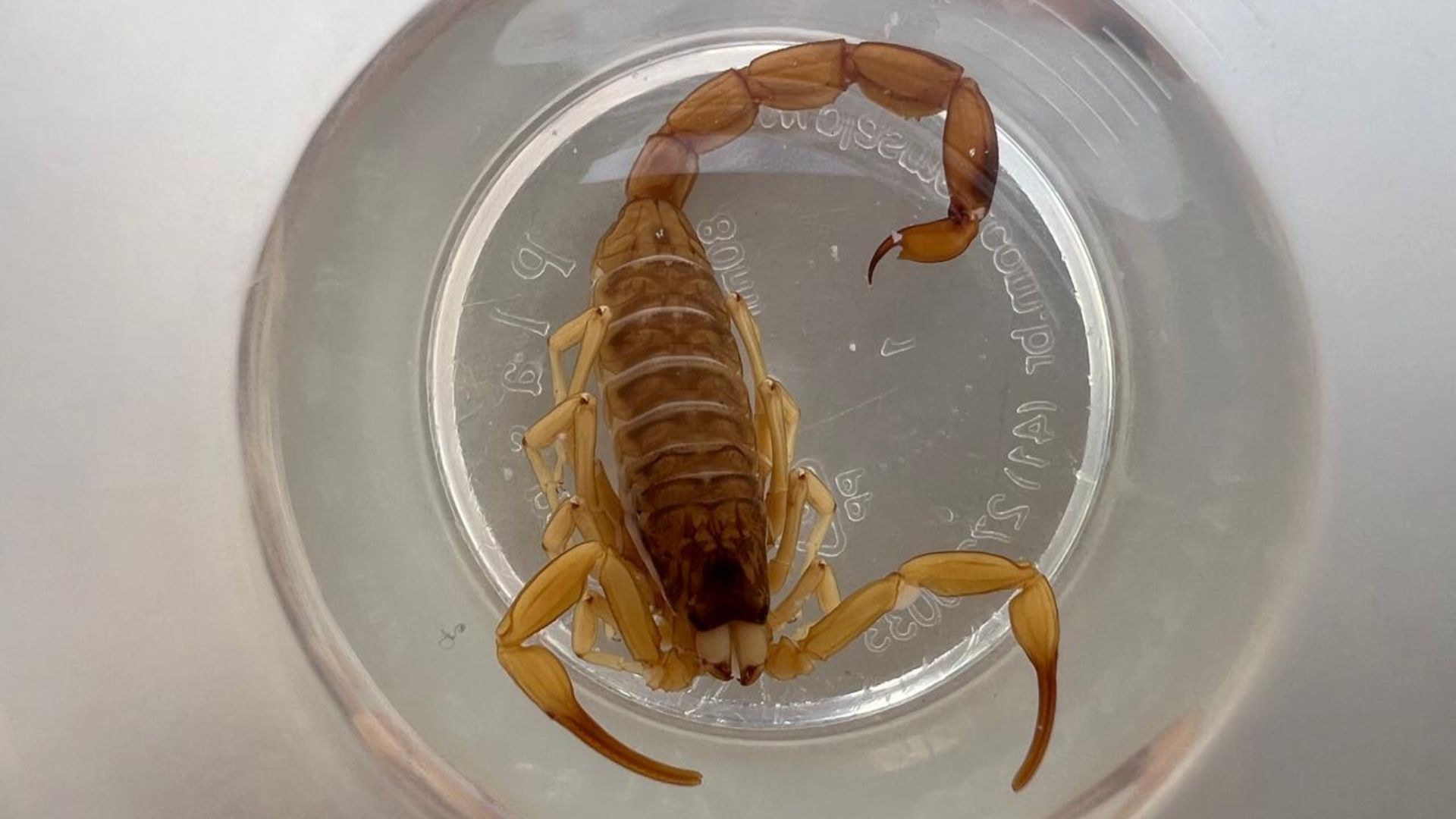
Aracaju, Brazil, has recorded 423 incidents involving venomous animals between January and July of 2026, according to data released by the Municipal Health Secretariat (SMS). Scorpion stings constitute the vast majority of these cases, with 371 reported in the first seven months of the year. Previous years also show a high incidence of such accidents, with 953 cases in 2025 and 1,193 in 2024, bringing the total to over 2,300 scorpion attacks in the city during this period. The rainy season is noted as a factor increasing the likelihood of encountering scorpions in urban areas. The SMS emphasizes the importance of taking precautions within homes. In case of a sting, immediate medical attention is crucial. Recommended treatment centers in Aracaju include the Hospital Fernando Franco and the Hospital Dr. Nestor Piva. Authorities advise attempting to identify the animal by taking a photo or safely transporting it to the hospital to facilitate correct treatment, such as the administration of antivenom. The use of common insecticides is discouraged, as they are largely ineffective against scorpions and may cause them to disperse, increasing the risk of further encounters. Prevention strategies focus on maintaining clean yards, avoiding the accumulation of debris, sealing drains and grease traps, and carefully checking clothing and footwear before use. Special attention should be paid to children, preventing them from exploring dark or cluttered areas. Residents encountering scorpions or other venomous animals are urged to report these sightings to the Zoonosis Surveillance Unit via the Health Ombudsman's office.
The surge in venomous animal incidents in Aracaju, particularly scorpion stings, highlights the interplay between urban development, environmental conditions, and public health infrastructure. The data suggests a persistent challenge that escalates during the rainy season, likely due to altered habitats and increased scorpion activity. While immediate medical response and identification of the animal are critical for treatment, the emphasis on prevention through cleanliness and habitat modification points to systemic issues. The ineffectiveness of common insecticides and the risk of dispersal underscore the need for integrated pest management strategies that address the root cause, such as the cockroach population that serves as a primary food source. Future public health initiatives could explore enhanced urban planning guidelines and community education programs that focus on long-term ecological balance within the city, rather than solely reactive measures. Addressing the underlying environmental factors that drive these encounters is essential for sustainable reduction of risk.
AI-generated to prompt reflection — not editorial opinion, not advice, not a statement of fact. How this works.