Aracaju Traffic Changes Near Francisco Porto Viaduct for Structural Repairs
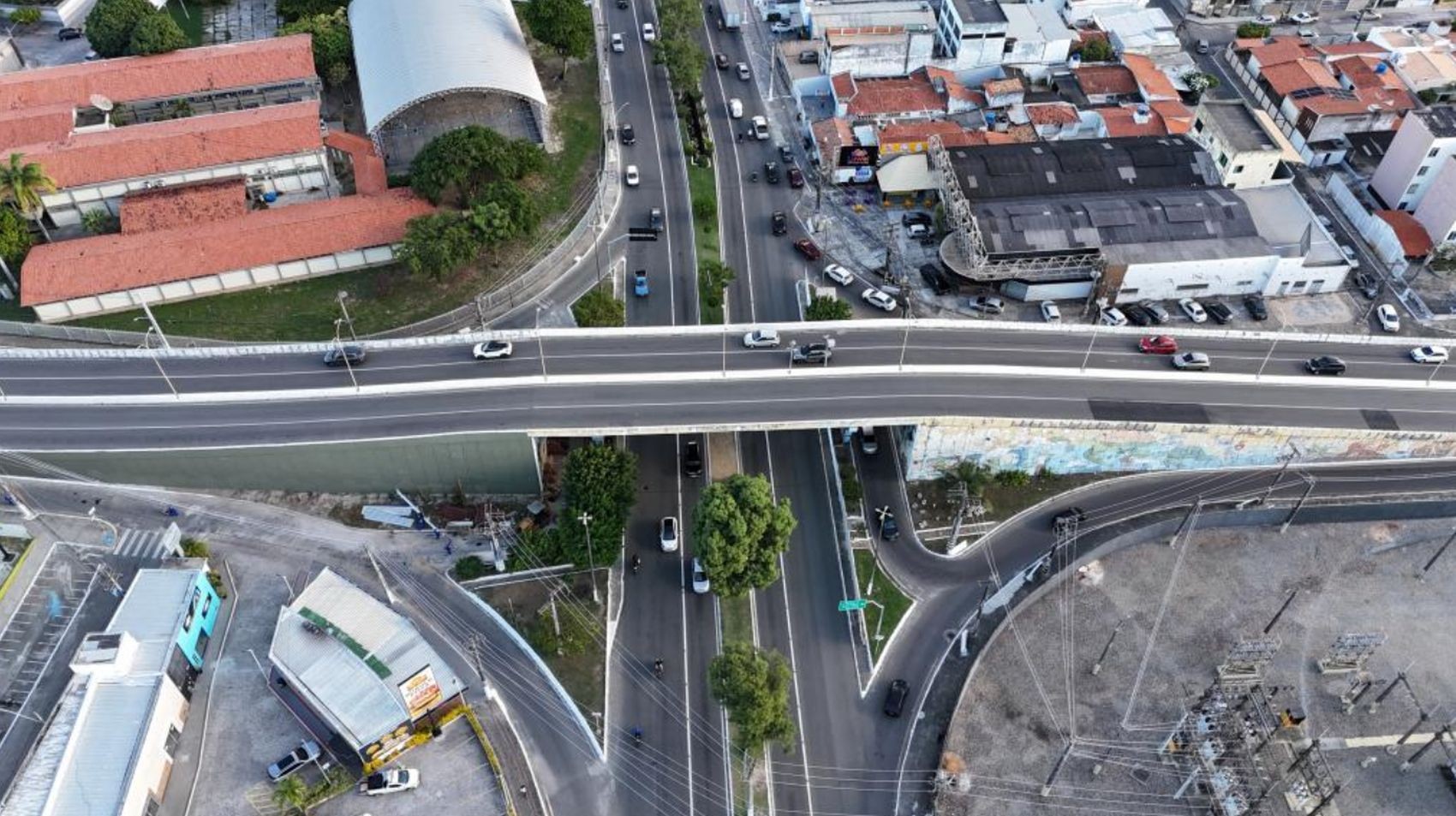
Traffic in Aracaju, Brazil, will undergo alterations starting Monday, May 13th, around the Francisco Porto viaduct. The changes are necessary to continue structural repair works on the elevated passage, located at the intersection of Francisco Porto and Gonçalo Rollemberg Leite avenues. The Municipal Superintendence of Transport and Traffic (SMTT) will deploy traffic agents and temporary signage to guide drivers through the affected areas. Key modifications include the closure of access to Hermes Fontes Avenue for those traveling on Gonçalo Rollemberg Leite Avenue. Additionally, the U-turn under the viaduct for drivers on Gonçalo Rollemberg Leite Avenue heading towards Beira Mar Avenue and intending to return towards Augusto Franco Avenue will remain blocked. However, with the completion of the third phase of the repairs, access to Gonçalo Rollemberg Leite Avenue, previously closed, will be reopened for circulation. The SMTT has also outlined alternative routes for commuters to navigate around the disruptions. These include specific detours for accessing Hermes Fontes Avenue from Gonçalo Rollemberg Leite Avenue and for making the U-turn back onto Gonçalo Rollemberg Leite Avenue, involving several street navigations to bypass the blocked sections.
The traffic alterations in Aracaju are a necessary consequence of essential infrastructure maintenance. This situation highlights the ongoing challenge for urban planners to balance the immediate disruption caused by necessary repairs with the long-term benefits of structural integrity and public safety. As cities worldwide grapple with aging infrastructure, proactive and transparent communication regarding traffic management plans becomes crucial. The SMTT's provision of alternative routes demonstrates a commitment to mitigating inconvenience, yet the repeated need for such extensive diversions underscores the importance of strategic urban development that anticipates and accommodates future maintenance needs, potentially through phased construction or alternative traffic flow designs during prolonged repair periods.
AI-generated to prompt reflection — not editorial opinion, not advice, not a statement of fact. How this works.