Araguaína Teacher Dies at 41 After Lung Cancer Battle; Husband Shares Devotion
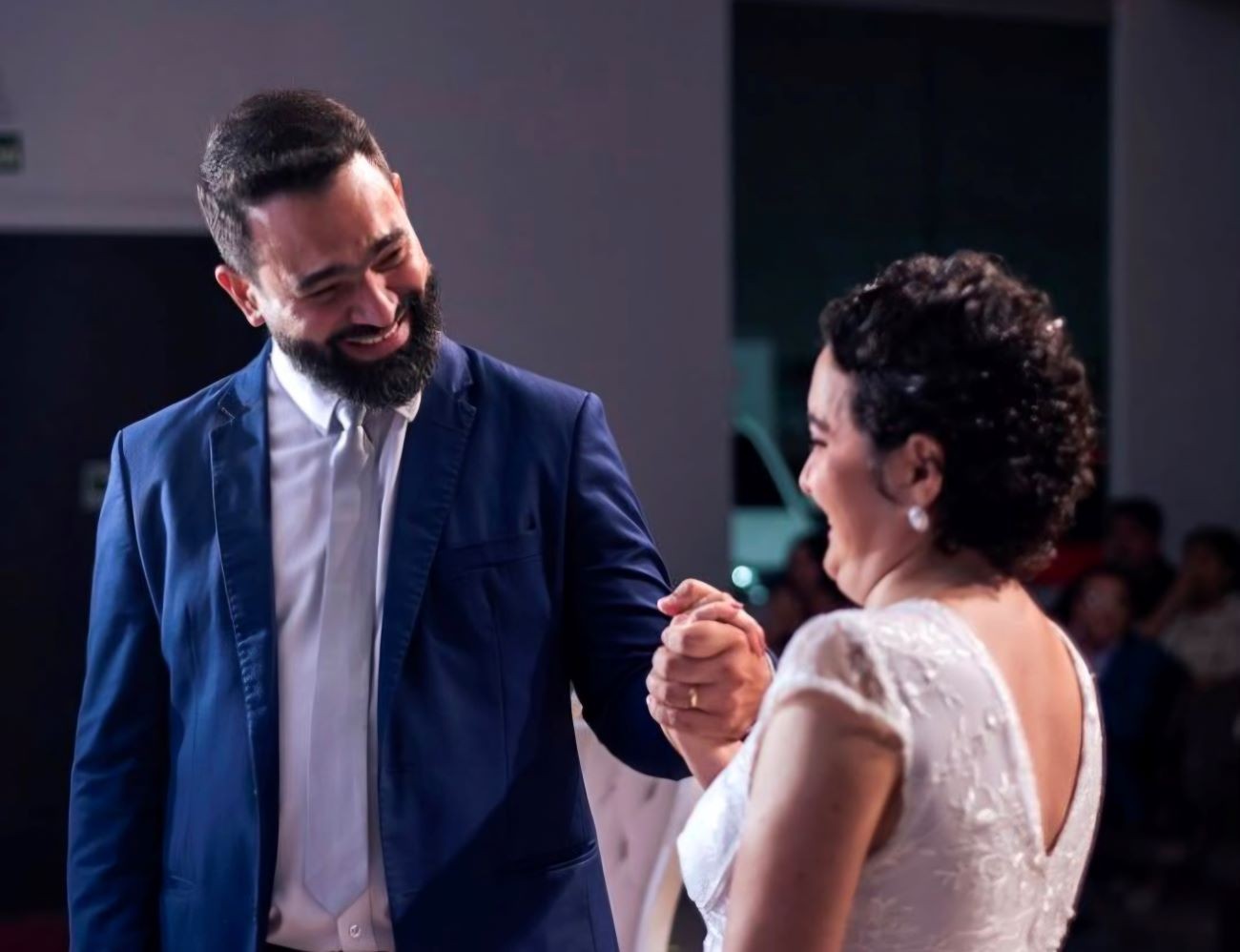
Valéria de Castro Alves, a dedicated teacher in Araguaína, Tocantins, passed away at the age of 41 after a prolonged fight against lung cancer. Her husband, Emersom Castro, shared a touching tribute, emphasizing his unwavering support throughout her illness. He stated, 'I accompanied her and loved her until the end. I spared no effort. I studied the disease, learned about the treatments, and took care of her in every way necessary.' A video of Valéria expressing her desire to see her children grow up has gained significant traction online amidst the grief. The diagnosis of stage four lung cancer came in May 2025, revealing a rare mutation. Initial treatment involved chemotherapy and medication sourced through a fundraising campaign, but Valéria's body eventually stopped responding, leading to disease progression. She then underwent immunotherapy and a period in the ICU in Barretos, São Paulo, which Emersom described as a 'miracle' as she recovered and lived for approximately eight more months with good quality of life. Valéria, who taught for over 20 years, leaves behind her husband and two sons, Arthur, 9, and Samuel, 2. Despite physical limitations, she maintained her faith and serenity, though she could no longer actively play with her children or carry her youngest. Her greatest motivation, according to Emersom, was the dream of witnessing her children's development, a goal they fought for together. Emersom was by her side until her final moments, holding her until her last breath.
This narrative highlights a personal journey through a severe illness, focusing on the emotional and practical aspects of caregiving. The husband's devotion serves as a central theme, illustrating the profound impact of a partner's support during a health crisis. From a systemic perspective, the story implicitly touches upon the challenges of accessing advanced treatments, as indicated by the reliance on fundraising campaigns and the geographical travel for specialized care. The progression of the disease despite multiple treatment modalities underscores the aggressive nature of advanced cancers and the limitations of current medical interventions. Looking forward, such accounts emphasize the ongoing need for accessible, equitable healthcare, innovative therapeutic research, and robust social support systems to alleviate the burden on patients and their families facing life-threatening conditions.
AI-generated to prompt reflection — not editorial opinion, not advice, not a statement of fact. How this works.