Aramco's World Cup Sponsorship Contrasts with Port Arthur Health Concerns
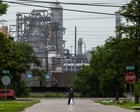
Saudi Aramco's sponsorship of the FIFA World Cup is highly visible at matches in Houston, Texas. However, 100 miles away in Port Arthur, residents like Jamal Johnson describe severe health issues they attribute to the oil giant's refinery operations. Johnson shared personal experiences, including family members who died from cancer and ALS, attributing these illnesses to the constant release of poisonous gases from the nearby facility. He described the situation as "fucked up," highlighting the stark contrast between the company's global image and the local impact on his community. The west side of Port Arthur, characterized by modest, well-kept homes, is overshadowed by the looming presence of the refinery across the railroad tracks. This industrial menace is a constant concern for residents, impacting their quality of life and health.
The juxtaposition of Saudi Aramco's prominent FIFA World Cup sponsorship with documented health concerns in Port Arthur, Texas, highlights a potential disconnect between corporate brand promotion and operational realities. While the sponsorship aims to enhance global visibility and positive association, local communities near its facilities report significant environmental and health burdens. This situation raises questions about corporate social responsibility, environmental stewardship, and the effectiveness of regulatory oversight in mitigating the impacts of industrial operations. Future strategies for such global entities may need to more robustly integrate local community well-being and environmental health into their core business practices, rather than relying solely on high-profile sponsorships to shape public perception.
AI-generated to prompt reflection — not editorial opinion, not advice, not a statement of fact. How this works.