Arapiraca Child Welfare Council Suspends In-Person Services Due to Structural Issues
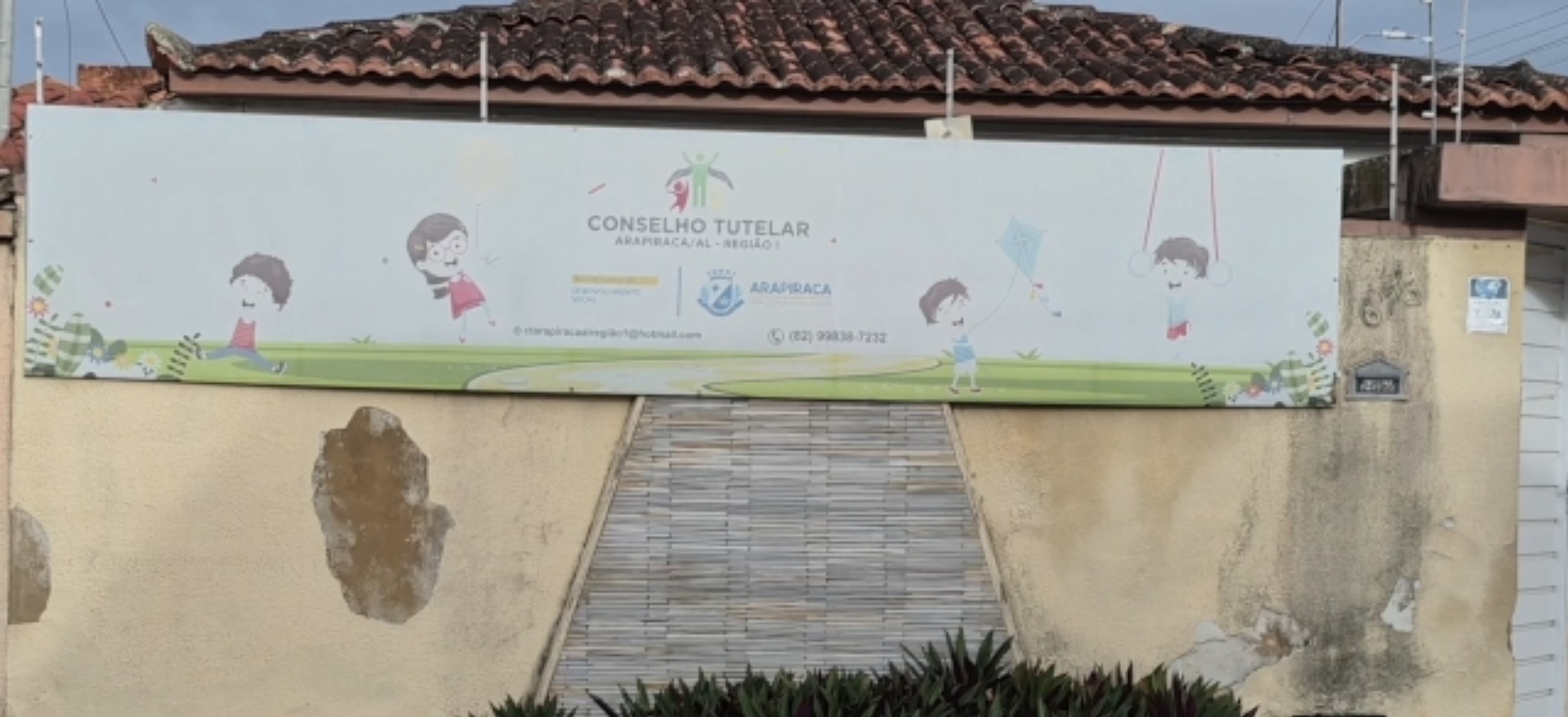
The Child Welfare Council of the 1st Region of Arapiraca, located in Alagoas, Brazil, has suspended in-person services at its headquarters due to significant structural problems. Identified issues include cracks, water infiltration, and mold within the building, posing risks to both staff and the public. The decision was made by the five counselors working at the unit and took effect on Monday, July 1st. The Arapiraca City Hall, through its Municipal Secretariat of Social Development, conducted an inspection on Monday, July 3rd, to assess the building's condition. A technical report will determine the timeline for necessary repairs. Until a permanent solution is implemented, public services are being handled through a 24-hour on-call system via telephone at (82) 99838-7232 and email at [email protected]. Council president Wesley Rodrigues stated that a promised renovation or relocation, initially slated for resolution by April of this year, has been delayed. Representatives from the executive, judiciary, Public Prosecutor's Office, and the Municipal Council for the Rights of Children and Adolescents had previously committed to a solution by October 2025, but no action has been taken. Rodrigues emphasized the danger of exposing vulnerable children and adolescents, who often arrive with trauma, to an unhealthy and structurally unsound environment.
The suspension of services at the Arapiraca Child Welfare Council highlights a critical failure in public infrastructure management, specifically concerning facilities that serve vulnerable populations. The delay in addressing documented structural issues, despite prior commitments from multiple governmental and judicial bodies, suggests potential systemic inefficiencies or a lack of prioritized resource allocation for child protection services. This situation raises questions about the governance mechanisms responsible for ensuring safe and adequate working conditions for public servants and a secure environment for children in need. Moving forward, robust oversight and accountability frameworks will be essential to prevent similar occurrences, ensuring that the physical integrity of essential public service facilities is maintained, thereby safeguarding both employees and the public they serve, especially in the context of child welfare.
AI-generated to prompt reflection — not editorial opinion, not advice, not a statement of fact. How this works.
