Araraquara Education Project Encourages Students to Plant Trees
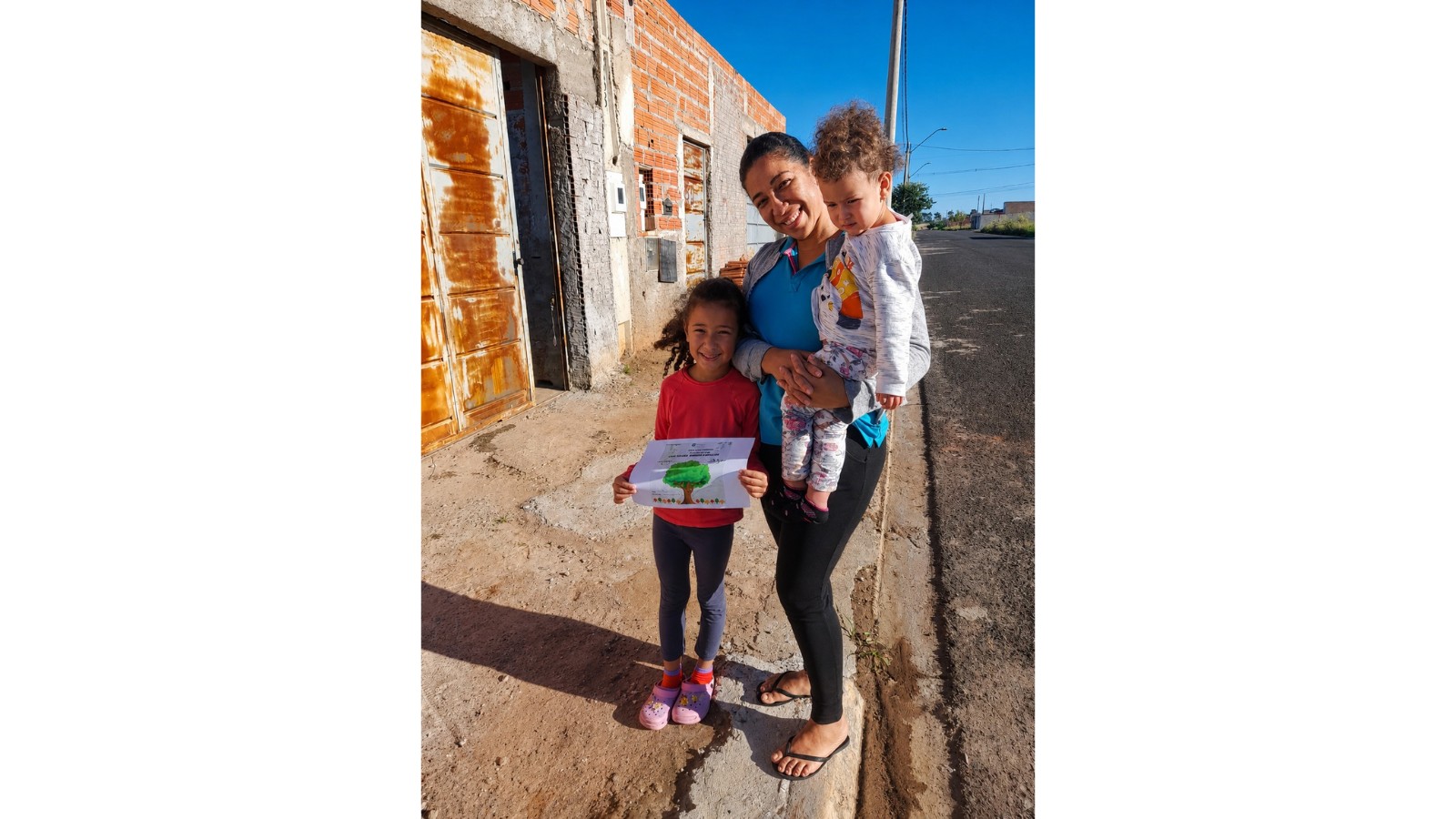
Araraquara's Municipal Secretariat of the Environment, through its Environmental Education division, has launched the "Cada Criança Uma Árvore" (Each Child A Tree) project. This initiative aims to educate families of students in the municipal school network about the importance of planting and caring for trees on their sidewalks. Beyond enhancing urban green spaces and quality of life, the project seeks to cultivate a generation of young environmental stewards committed to ecological issues. The first school to participate was CER Valdizar Pinto do Carmo in Jardim Ipanema. The process begins with a questionnaire sent to families to gauge interest, followed by site assessments by environmental technicians. These technicians evaluate suitability for tree growth, considering local topography, biome, sidewalk size, and existing street trees. If conditions are favorable, students and their families participate in the planting, with the Secretariat monitoring the tree's development. Environmental educator Leonardo de Araujo Neto highlighted the project's role in fostering an emotional connection between children and the trees they plant, emphasizing the significance of nurturing them. He also noted the project's alignment with UN Sustainable Development Goals, specifically SDG 4 (Quality Education) and SDG 13 (Climate Action). Planting native species is a key focus, as it supports local biodiversity, attracts wildlife, and contributes to climate change mitigation, while also beautifying neighborhoods. Seventeen families expressed interest at CER Valdizar do Carmo, with ten selected for the initial planting phase. The project plans to expand to other Araraquara schools in upcoming semesters.
This environmental education initiative in Araraquara leverages a community-driven approach to urban greening and climate action, aligning with global sustainability goals. By engaging children and families directly in planting and nurturing trees, the project aims to foster long-term environmental responsibility and enhance local biodiversity. The systematic process of site assessment and species selection demonstrates a commitment to ecological principles, ensuring the viability of the plantings. Such programs can cultivate a sense of ownership and connection to the environment, potentially influencing future civic engagement. Looking ahead, the scalability of this model to other schools and municipalities could significantly contribute to urban resilience and climate adaptation strategies, while also serving as a powerful educational tool for sustainable development in the coming decade.
AI-generated to prompt reflection — not editorial opinion, not advice, not a statement of fact. How this works.