Araras faces 30 illegal dumping sites as city's only ecopoint remains closed for 10 months
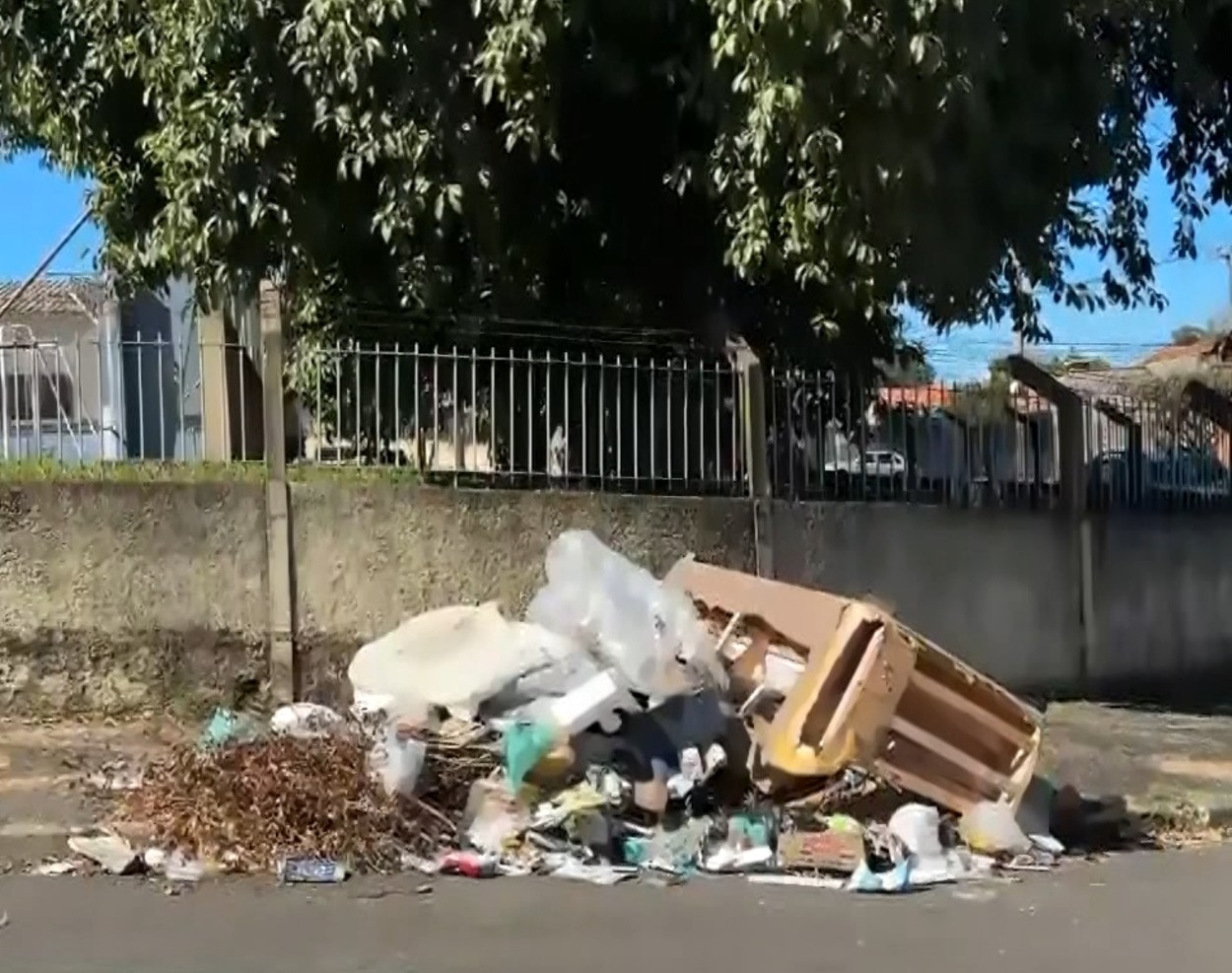
The city of Araras, São Paulo, is struggling with 30 identified locations for the illegal dumping of construction debris and household waste, including items like sofas, mattresses, and organic garbage. This practice not only creates public health hazards by attracting rodents and insects but also incurs significant financial penalties for residents, with fines starting at R$ 2,261, in addition to collection fees. The situation is exacerbated by the prolonged closure of the city's sole public ecopoint, located in Parque Tiradentes, which has been shut down since September 15th of the previous year after a fire. To combat the growing problem, the municipal government has intensified its enforcement efforts. In a recent operation, officials discovered a personal document within illegally dumped waste, prompting an investigation to identify and penalize the responsible party. Currently, residents needing to dispose of debris legally must resort to renting private dumpsters. Last year, the city issued 31 warnings and 142 infraction notices, while this year has seen 45 warnings and 72 infractions recorded so far. The city administration has stated that the previous system of scheduled debris collection from sidewalks will not be reinstated to maintain cleanliness and prevent sewer blockages that lead to flooding. The transfer of accumulated material from the damaged ecopoint began in April, with an anticipated reopening this week pending alignment with the Environmental Secretariat. Studies are also underway for new ecopoints, contingent on legislative approval. Residents can report illegal dumping by calling 156 and providing photographic or video evidence.
The prolonged closure of Araras's only public ecopoint, following a fire, has demonstrably correlated with a significant increase in illegal dumping and associated fines. This situation highlights a systemic vulnerability where the absence of accessible, regulated disposal infrastructure directly incentivizes non-compliant behavior. While increased enforcement and fines are reactive measures, the core issue lies in the lack of adequate public services. Future urban planning must prioritize robust waste management infrastructure, including multiple accessible ecopoints, to mitigate public health risks and environmental degradation. The city's reliance on private services for debris removal places an undue financial burden on residents and underscores the need for sustainable, publicly funded solutions that align with the growing urban population and its waste generation.
AI-generated to prompt reflection — not editorial opinion, not advice, not a statement of fact. How this works.