Archaeological artifacts unearthed during sewer excavation in Curuá, Pará
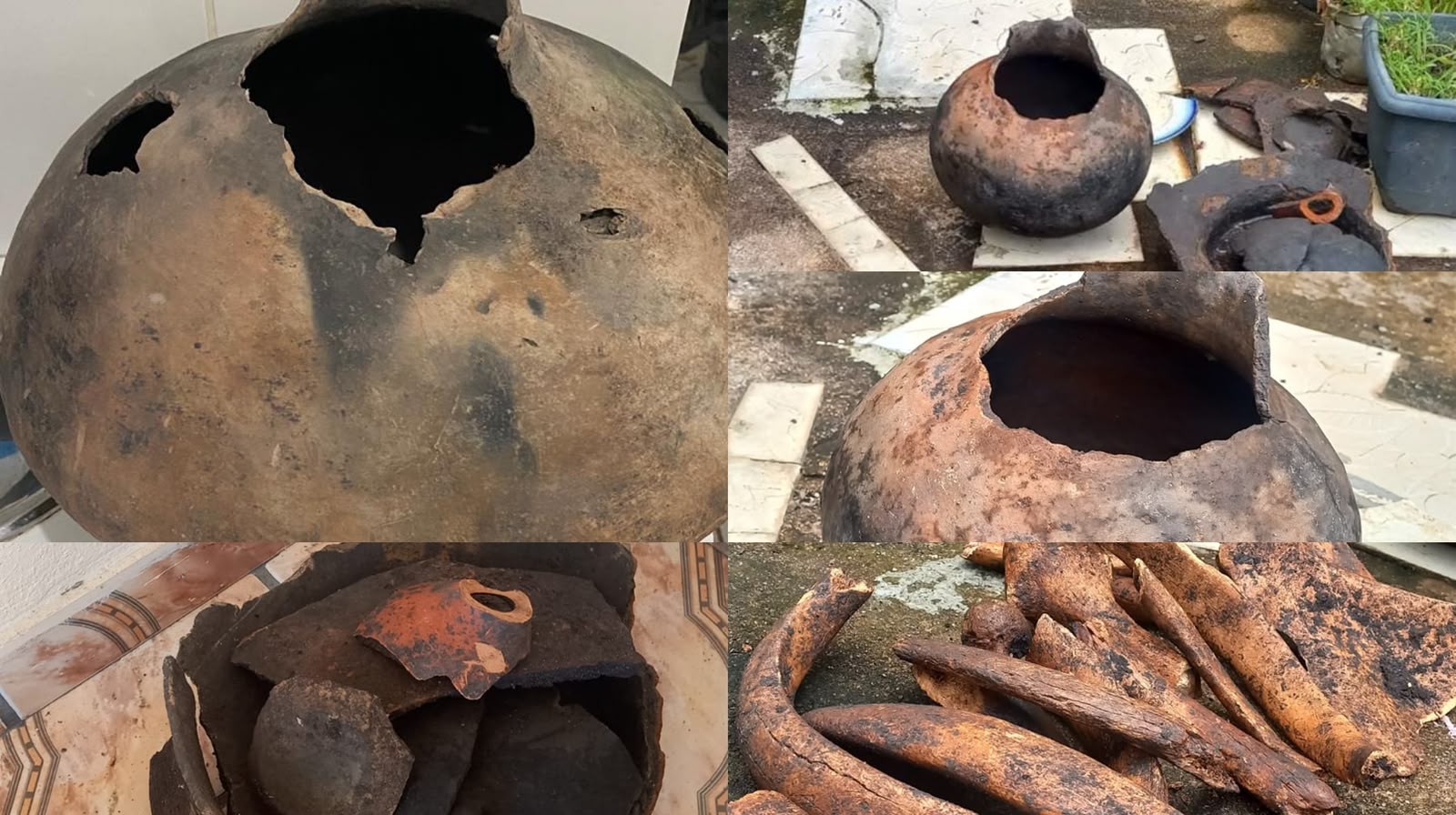
During the excavation of a septic tank at a residence in Curuá, western Pará, a significant discovery of funerary urns, ceramic vessels, bone fragments, and other artifacts with potential historical and archaeological importance was made. The find occurred on Tuesday, May 28th, in the backyard of a property in the Centro neighborhood, attracting the attention of local residents. Professor João Aluízio Piranha Dias, a history teacher and doctor in Society and Culture of the Amazon from the Federal University of Amazonas (UFAM), was among those who observed the excavation. Recognizing the potential significance, he advised the homeowner, Edvaldo Sales, on the necessity of preserving the items until specialists could examine them. The artifacts were carefully removed without damage and transported to Escola Estadual Soraia Marques Chayb for temporary safekeeping in a controlled environment. Experts consulted by g1 Santarém have indicated that the objects exhibit characteristics consistent with archaeological material, though their precise origin and age require technical analysis. A team from the Federal University of Western Pará (Ufopa) is expected to visit Curuá to assess the artifacts and provide a technical report. This analysis will aim to determine the origin of the pieces and whether they belong to an ancient indigenous population or another period of human settlement in the region. Professor Dias noted that such discoveries are not uncommon in Curuá, with residents frequently finding old objects, including stone axes, during excavations, suggesting the presence of archaeological sites in the municipality. Confirmation of the material's historical and archaeological value could enhance understanding of human occupation in the Lower Amazon region and contribute to the preservation of western Pará's archaeological heritage.
The discovery of historical artifacts during routine infrastructure work highlights a common tension between development and heritage preservation. While such finds offer invaluable insights into past human activity and cultural evolution, their unearthing through accidental excavation presents challenges for systematic archaeological study. The immediate response to secure and transfer the artifacts to a specialized institution, as facilitated by local educators and subsequently involving a federal university, demonstrates a nascent but crucial system for managing such unexpected heritage discoveries. Moving forward, proactive archaeological surveys in areas with historical indicators, informed by local knowledge and prior findings, could mitigate the risk of accidental damage and allow for more comprehensive research, thereby enriching the collective understanding of regional history and safeguarding cultural patrimony more effectively.
AI-generated to prompt reflection — not editorial opinion, not advice, not a statement of fact. How this works.