Archaeologists Discover 7,000-Year-Old Fish Traps, Revealing Early Human Impact on Mountain Ecosystems
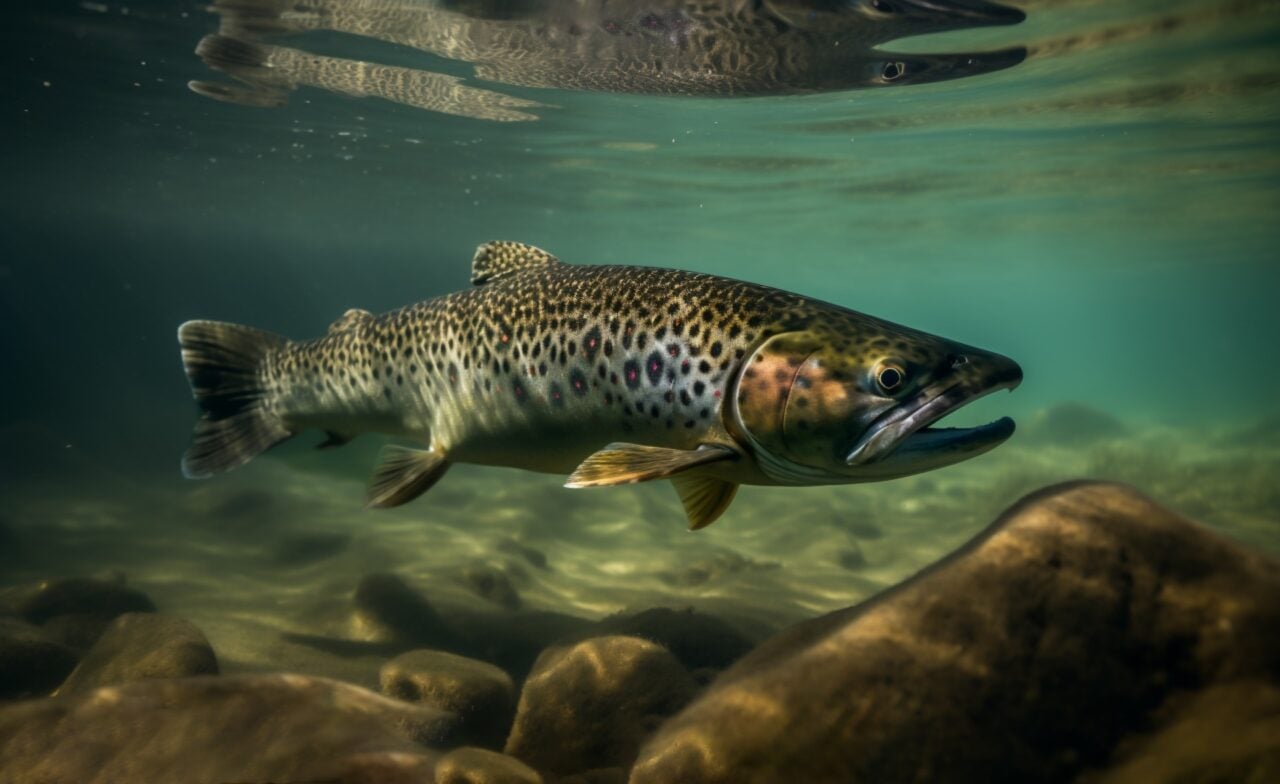
Archaeologists have uncovered fish traps dating back 7,000 years, providing the earliest known evidence of human intervention in establishing brown trout populations in mountain lakes. These ancient structures indicate that humans were actively stocking these high-altitude environments much earlier than previously understood. The discovery challenges prior assumptions about the natural distribution of species and highlights the long-standing influence of human activities on ecological systems. The findings suggest a sophisticated understanding of aquatic environments and resource management by early human societies. This research sheds new light on the historical relationship between humans and wildlife, particularly concerning the deliberate introduction of species for sustenance or other purposes. The implications extend to modern conservation efforts, offering insights into the deep history of human-driven ecological change.
This discovery of 7,000-year-old fish traps indicates a significant historical precedent for human-driven species translocation, predating modern conservation and ecological management practices by millennia. The findings prompt a re-evaluation of natural versus anthropogenic ecological distributions, suggesting that many current ecosystems may have been shaped by intentional human actions far earlier than previously assumed. Understanding these ancient patterns of resource management and environmental influence can provide valuable context for contemporary debates on biodiversity, invasive species, and the long-term impacts of human activity on natural landscapes. It underscores the persistent human drive to shape environments for resource acquisition and raises questions about the ethical considerations and unintended consequences of such interventions across historical and future timescales.
AI-generated to prompt reflection — not editorial opinion, not advice, not a statement of fact. How this works.