Archaeologists Discover Wooden Precursor to Stonehenge Near Iconic Monument
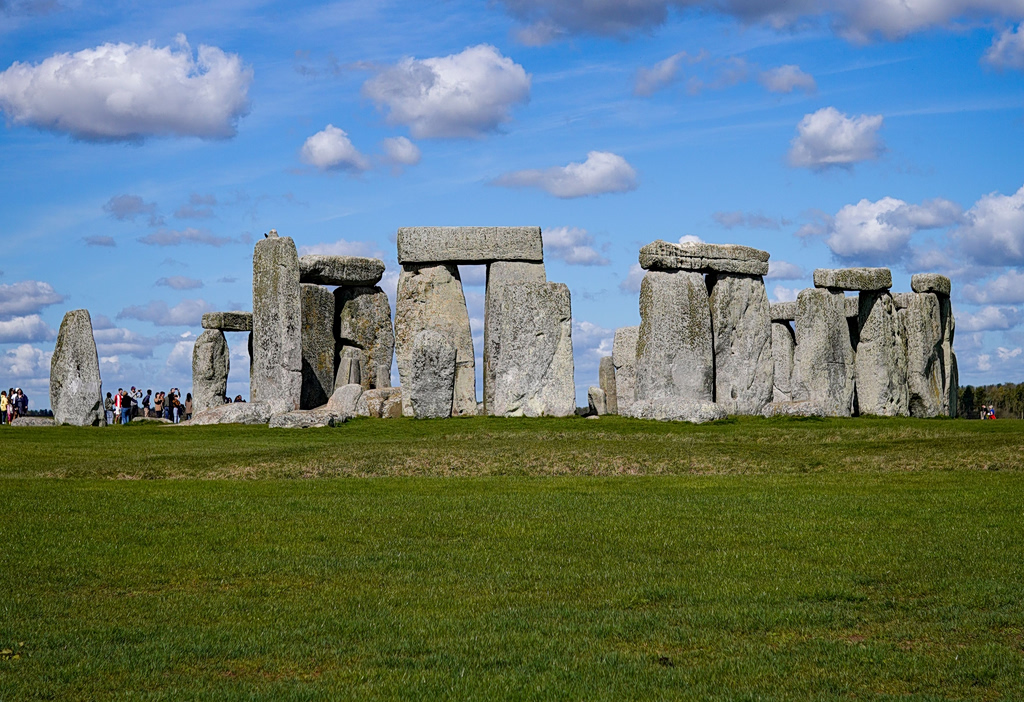
Archaeologists have unearthed a prehistoric wooden structure located near the famous Stonehenge monument in the United Kingdom. This discovery is being hailed as a potential "original" or precursor to the iconic stone circle. The wooden construction offers new insights into the early development and architectural evolution of such monumental sites. Researchers believe this finding could significantly alter our understanding of Stonehenge's history and the intentions of its builders. The site's location suggests a possible continuity in ritualistic or ceremonial use of the landscape over millennia. Further investigation is expected to reveal more about the age, purpose, and construction techniques of this ancient wooden edifice. This discovery opens a new chapter in the study of British prehistory and megalithic structures.
The discovery of a wooden precursor to Stonehenge prompts a re-evaluation of the monument's developmental timeline and the technological capabilities of its ancient builders. This finding suggests that the iconic stone circle may have evolved from earlier, less permanent structures, highlighting a potential shift in materials and construction ambition over time. Understanding the transition from wood to stone could reveal insights into evolving societal organization, resource management, and ritualistic practices. Future research will likely focus on dating the wooden structure precisely and comparing its layout and scale to Stonehenge, potentially illuminating the cultural and practical drivers behind the monumental shift to stone construction.
AI-generated to prompt reflection — not editorial opinion, not advice, not a statement of fact. How this works.