Archaeologists Uncover Ancient Pella's Southern City Limits and Harbor Without Excavation
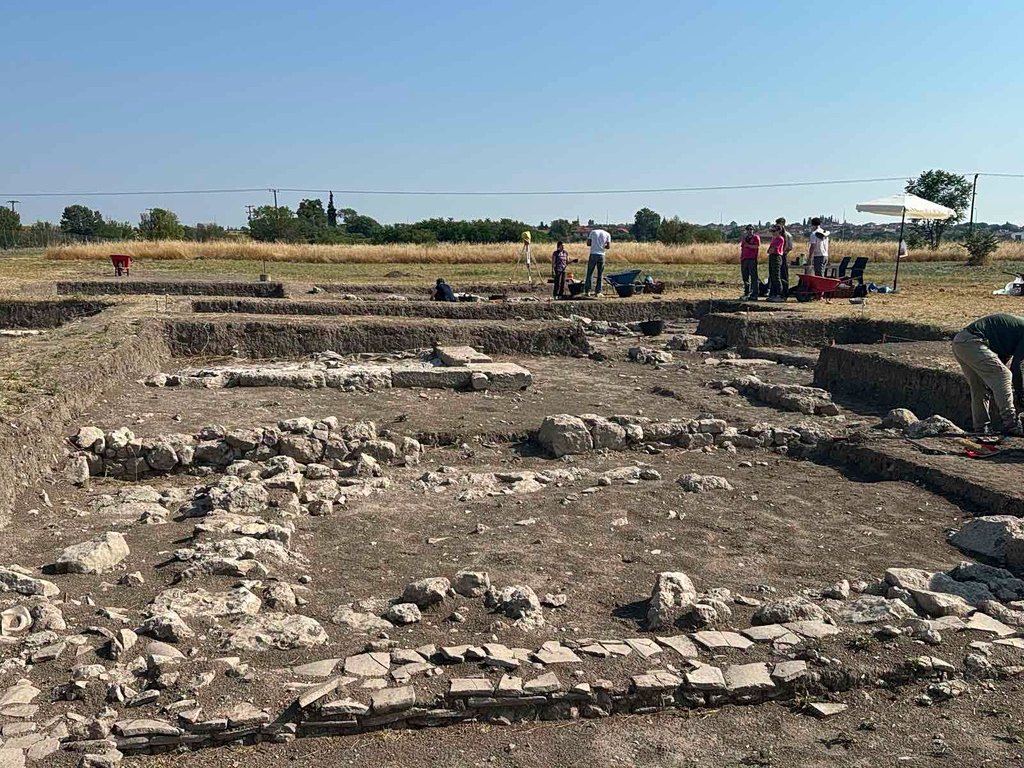
Archaeologists have successfully identified the southern boundaries of the ancient city of Pella and its harbor without undertaking any physical excavation. This innovative approach utilized advanced non-invasive techniques to shed light on the daily lives of the city's inhabitants. The findings provide valuable insights into the urban planning and maritime activities of ancient Pella. Researchers employed geophysical survey methods, likely including ground-penetrating radar and magnetometry, to map subsurface features. These technologies allow for the visualization of buried structures and artifacts, offering a detailed picture of the city's layout and its port facilities. The objective was to understand the lifestyle of the people who lived in Pella, offering a glimpse into their society and economy. This method minimizes disturbance to the archaeological site while maximizing the information gathered. The discovery promises to enhance our understanding of this significant ancient Macedonian city.
This non-invasive archaeological approach in Pella demonstrates a growing trend towards leveraging technology to preserve heritage sites while advancing research. By employing geophysical methods, researchers can map historical urban landscapes and infrastructure, such as city limits and harbors, without the destructive impact of traditional excavation. This strategy aligns with global efforts to balance archaeological discovery with site preservation for future generations. The success of such techniques suggests a potential paradigm shift in how ancient settlements are studied, prioritizing data acquisition through remote sensing and digital modeling. This could lead to more efficient resource allocation in cultural heritage management and a deeper, less intrusive understanding of past civilizations, particularly in densely populated or environmentally sensitive areas.
AI-generated to prompt reflection — not editorial opinion, not advice, not a statement of fact. How this works.