Archbishop Andrew Nkea Fuanya Appointed to Vatican Dicastery for Evangelization
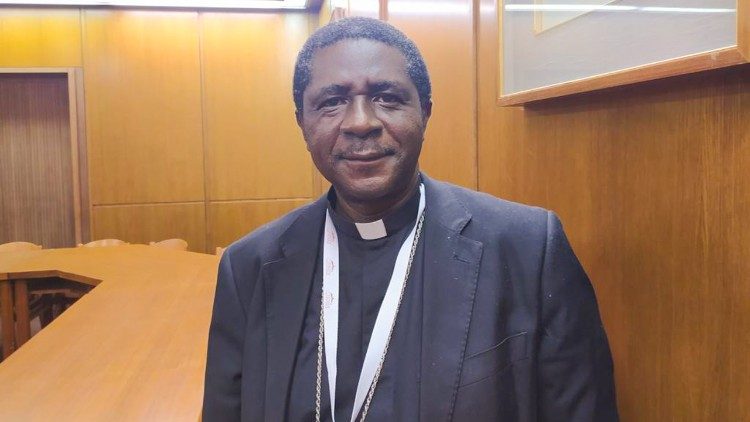
Pope Leo XIV has appointed Archbishop Andrew Nkea Fuanya of Bamenda, Cameroon, as a member of the Dicastery for Evangelization, a key strategic body within the Roman Curia. This appointment, announced on June 30, 2026, is part of a broader initiative by Pope Leo XIV to increase African representation in the highest echelons of the Catholic Church. Archbishop Fuanya, a prominent voice among Cameroonian bishops, was instrumental in organizing Pope Leo XIV's visit to Africa in March 2026. He currently leads the Archdiocese of Bamenda, overseeing pastoral work, evangelization efforts, priestly formation, and supporting the faithful amidst security and social challenges in Cameroon's Anglophone regions. The Pope also appointed Cardinal Fridolin Ambongo Besungu of Kinshasa, DRC, and Archbishop Alfred Adewale Martins of Lagos, Nigeria, to the same dicastery. Cardinal Besungu is recognized for his advocacy for social justice, peace, and good governance, while Archbishop Martins leads pastoral activities in Lagos, focusing on evangelization and social works. Additionally, Archbishop François Sylla of Conakry, Guinea, and Father Wenceslaus C. Madu, a Nigerian Claretian missionary and vice-chancellor of Claretian University, were named consultants to the dicastery. These appointments underscore the growing influence of African church leaders in the Vatican's governance and signal the continent's increasing importance in the future of global Catholicism.
The Vatican's strategic appointments of African prelates to the Dicastery for Evangelization reflect a global demographic shift within Catholicism and a deliberate effort to enhance the representation of emerging church centers. This move can be analyzed through the lens of institutional adaptation, aiming to align the Holy See's leadership structure with the evolving geographical distribution of its adherents. By integrating African voices into core decision-making bodies, the Church seeks to foster more contextually relevant evangelization strategies and strengthen its pastoral outreach in regions experiencing significant growth. This approach may also serve to bolster the Church's influence and relevance in Africa, potentially counteracting secularization trends or competition from other religious movements. The long-term impact will depend on the degree to which these new members can shape policy and influence the Church's global mission in the coming decade.
AI-generated to prompt reflection — not editorial opinion, not advice, not a statement of fact. How this works.