Architect Discovers Partner's Three Affairs After His Death, Inspires Others
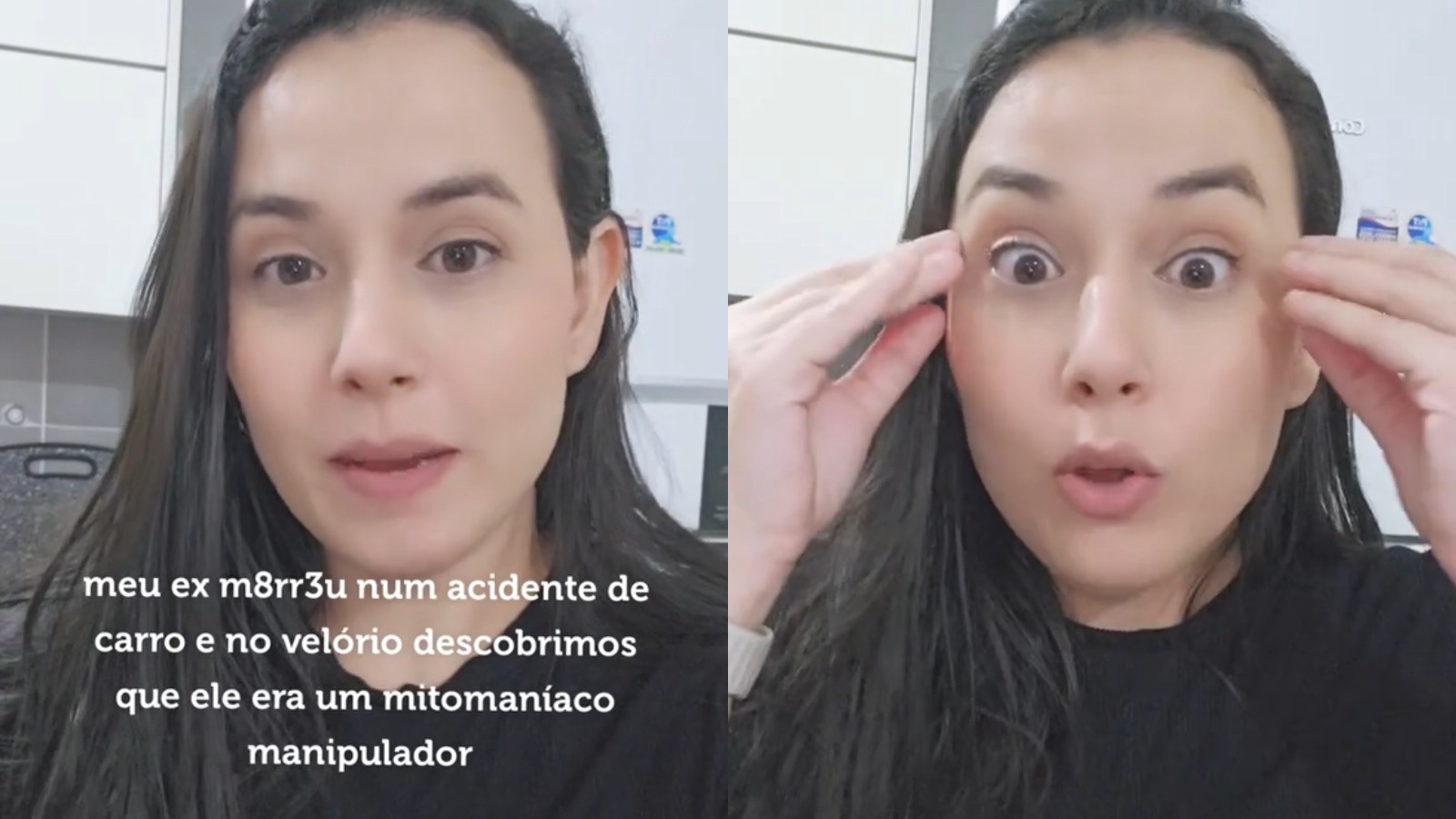
Architect and civil engineer Kaline Macêdo from Salvador, Brazil, recently gained widespread attention after revealing she discovered her partner had three affairs following his death in October of the previous year. The story, which initially occurred in October, only went viral after Macêdo shared it in a video on social media, where it garnered over 300,000 likes on one platform. During her partner's wake, Macêdo's mother noticed two of the deceased's lovers in attendance. The video, posted on July 14th, details how Macêdo learned of these extramarital relationships after her partner died in a car accident while en route to see one of his lovers. Macêdo stated that her decision to share her story, despite facing criticism, resonated with many women who had similar experiences discovering long-term partners' infidelity. She believes the unusual nature of her revelation, combined with the commonality of such behavior, contributed to its virality. Macêdo highlighted that shame often silences women who have been betrayed, and her aim in sharing was to serve as a warning against this silence. She explained that her partner, who was reportedly jealous yet affectionate, used this demeanor to mask his deceitful behavior, which she now recognizes as a form of control. Macêdo and her partner were together for 12 years. The man, whose name was not disclosed, died at 41. Macêdo discovered the third affair through social media after her mother confirmed the initial two discoveries made at the wake. The third lover was an intern at the man's company. Macêdo expressed regret over not ending the relationship sooner, despite wanting to for three years, due to her partner's persistent and overwhelming behavior.
This narrative highlights the societal impact of infidelity and the challenges individuals face in confronting betrayal, particularly within long-term relationships. The widespread resonance of Kaline Macêdo's story suggests a systemic issue where secrecy and manipulation can thrive, often enabled by victims' reluctance to speak out due to shame or fear of repercussions. The case underscores the importance of open communication and the potential for individuals to find solidarity and empowerment by sharing their experiences. Moving forward, understanding the psychological dynamics that perpetuate such cycles of deceit and silence will be crucial for fostering healthier relationship norms and providing support for those affected by infidelity and emotional manipulation.
AI-generated to prompt reflection — not editorial opinion, not advice, not a statement of fact. How this works.