Arctic Geopolitics: Understanding US Interest in Greenland
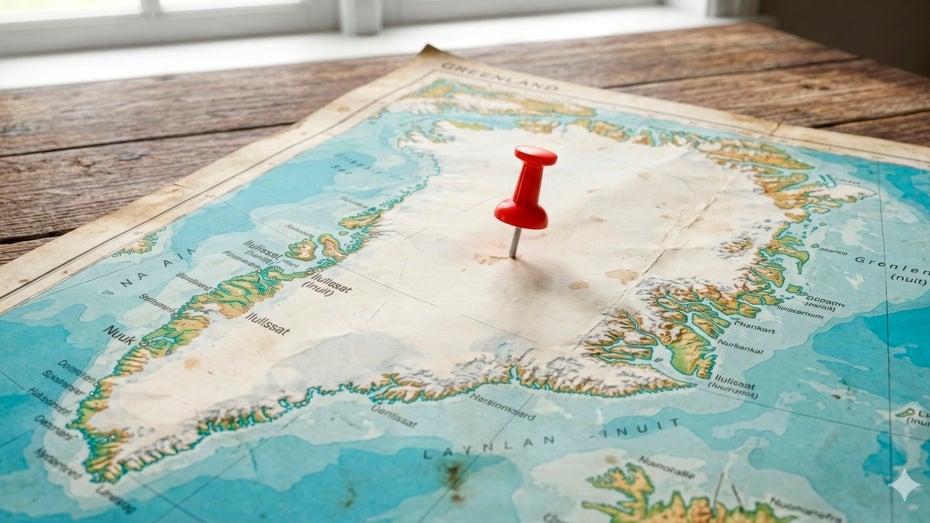
Greenland is currently attracting significant attention, though the strategic interest in the island is not a new phenomenon. Factors such as climate change, the abundance of natural resources, and geopolitical considerations are driving this renewed focus. The Arctic region, with Greenland at its center, is becoming increasingly important on the global stage. Melting ice due to climate change is opening up new shipping routes and access to previously inaccessible areas. This, in turn, is intensifying competition among nations for influence and control over the region. Greenland possesses substantial untapped mineral and energy reserves, making it a target for economic exploitation. The potential for resource extraction is a major draw for global powers. Furthermore, the strategic location of Greenland, situated between the Atlantic and Arctic Oceans, holds significant military and logistical importance. Its proximity to North America and Europe makes it a key point for defense and surveillance. The interplay of these factors—climate change, resource potential, and strategic location—is reshaping the geopolitical landscape of the Arctic. This heightened interest necessitates careful consideration of sovereignty, environmental protection, and the economic development of Greenland and its people.
The renewed geopolitical focus on Greenland reflects a confluence of long-term environmental shifts and evolving global resource demands. As climate change alters Arctic accessibility, the region transforms from a peripheral area into a potential nexus for trade and resource extraction. This dynamic creates inherent tension between national strategic interests, the economic incentives for resource exploitation, and the imperative for sustainable environmental stewardship. Nations asserting influence in the Arctic are navigating complex legal frameworks and international agreements, while also responding to domestic economic pressures. The coming decade will likely see increased investment and competition in the region, underscoring the need for robust governance structures that balance economic opportunity with ecological preservation and the self-determination of Arctic populations.
AI-generated to prompt reflection — not editorial opinion, not advice, not a statement of fact. How this works.