Arctic Permafrost Carbon Release Mostly Trapped in Seafloor Sediments
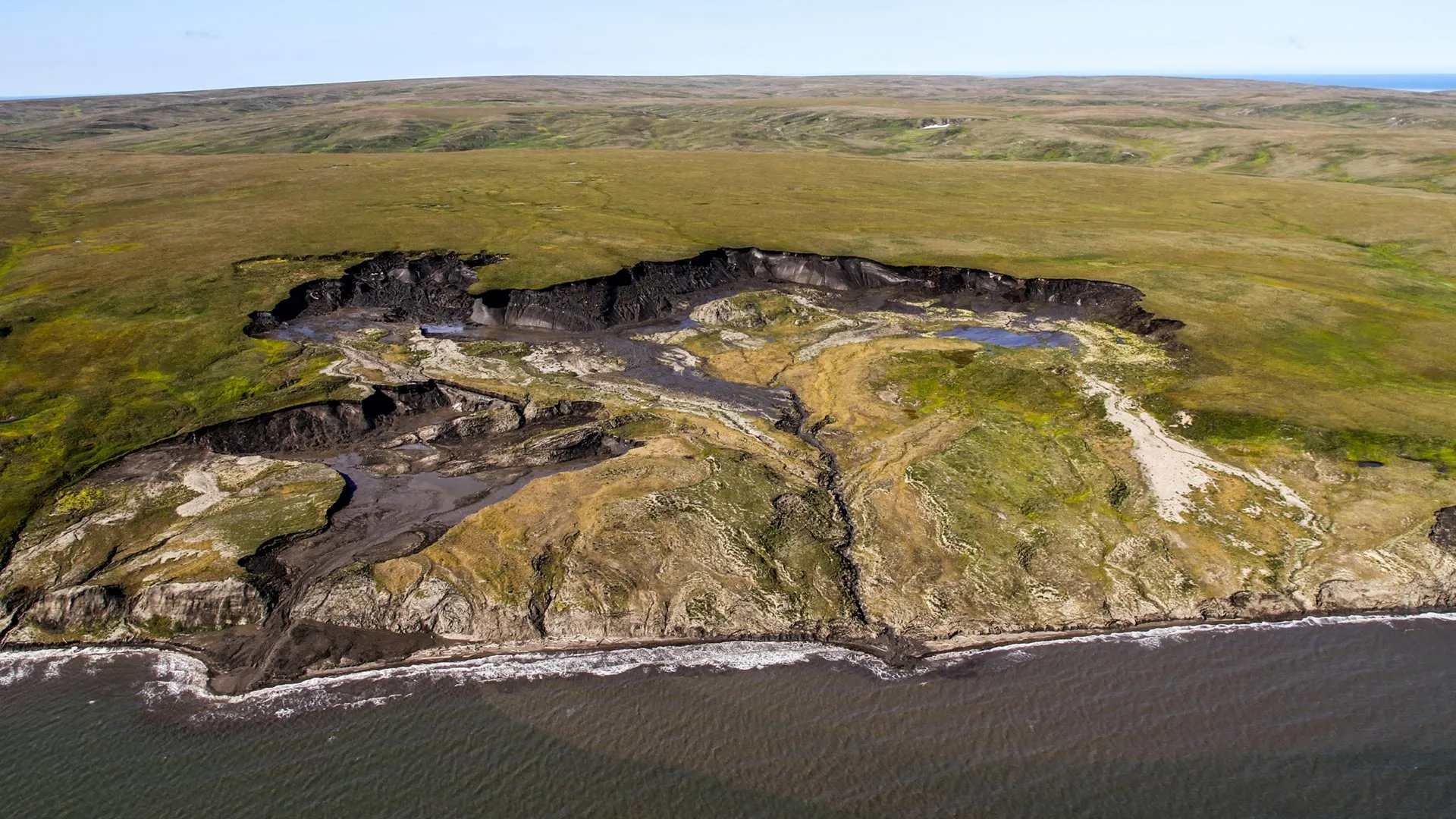
Thawing permafrost in the Arctic is releasing ancient carbon into the ocean, sparking concerns about its potential conversion into greenhouse gases by microbes and subsequent acceleration of climate change. However, new research using sediment cores near Canada's Herschel Island offers a more optimistic perspective. The study found that the majority of this carbon is captured and buried within the seafloor sediments. Only an estimated 10 percent of the released carbon is converted into gases, mitigating some of the immediate climate change risks associated with permafrost thaw.
The release of ancient carbon from thawing Arctic permafrost presents a complex feedback loop in the global climate system. While the potential for microbial conversion into potent greenhouse gases like methane and carbon dioxide is a significant concern, this research suggests a substantial portion of this carbon is sequestered in seafloor sediments. This finding highlights the importance of considering the full carbon cycle, including oceanic and geological sinks, when modeling future climate scenarios. Understanding the long-term stability of these seafloor carbon stores and the factors influencing the microbial conversion rate will be crucial for refining climate projections and informing mitigation strategies over the next decade.
AI-generated to prompt reflection — not editorial opinion, not advice, not a statement of fact. How this works.
