Arctic Research: Scientists Drill Deep into Seabed for Future Climate Insights
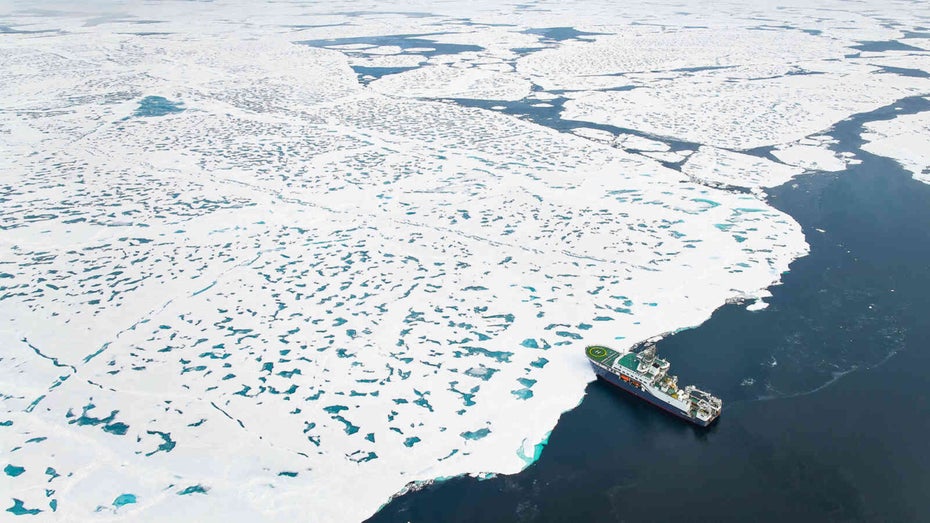
Scientists are delving deep into the Arctic seabed to understand the region's future climate. Researchers are extracting core samples from the ocean floor to gather crucial data. These samples are expected to provide valuable insights into past environmental changes and predict future climate scenarios for the Arctic. The project aims to enhance our understanding of the complex processes affecting this sensitive polar region. By analyzing these deep-sea cores, scientists hope to uncover long-term trends in temperature, ice cover, and ocean currents. This research is vital for developing effective strategies to address the impacts of climate change in the Arctic. The findings will contribute to global climate models and inform policy decisions. Understanding the Arctic's past is key to safeguarding its future.
This scientific endeavor highlights the critical role of deep-sea sediment analysis in climate research. By examining historical environmental data preserved in seabed cores, scientists can reconstruct past climate conditions and identify patterns of change. This approach provides a long-term perspective that complements shorter-term observational data, offering a more robust basis for climate modeling and future projections. The research underscores the interconnectedness of global climate systems and the particular vulnerability of polar regions to warming trends. Understanding these dynamics is essential for anticipating and mitigating the widespread impacts of climate change.
AI-generated to prompt reflection — not editorial opinion, not advice, not a statement of fact. How this works.
