Arctic Sea Ice Melt Slowdown Ends; Record Winter Decline Observed
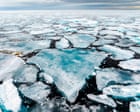
A recent study reveals that the previously observed slowdown in Arctic sea ice decline has concluded. This finding comes after the largest year-to-year wintertime reduction in sea ice extent ever recorded. Previously, research published last summer indicated a deceleration in Arctic sea ice melting over the past two decades. Specifically, between 2005 and 2024, no statistically significant decrease in sea ice extent was documented. However, the new study refutes the idea that this period represented a sustained trend. Instead, it suggests that the slower rate of melting was a temporary phenomenon. The end of this slowdown, coupled with the record winter decline, indicates a potentially accelerating loss of Arctic sea ice. This shift has significant implications for climate patterns and ecosystems dependent on the Arctic environment. The study highlights the dynamic and complex nature of climate change impacts in polar regions. Further monitoring and research are crucial to understand the long-term trajectory of Arctic sea ice.
The cessation of the Arctic sea ice melt slowdown, marked by a record winter decline, suggests a potential acceleration of polar ice loss. This shift challenges previous observations of a temporary stabilization, underscoring the complex and potentially non-linear responses of polar systems to climate change. The findings prompt a re-evaluation of climate models and projections concerning Arctic sea ice extent over the next decade. Understanding the drivers behind this abrupt change, whether cyclical or indicative of a more profound systemic shift, is critical for anticipating future impacts on global weather patterns, sea levels, and Arctic ecosystems. This development necessitates a focus on adaptive strategies and mitigation efforts to address the escalating consequences of a warming Arctic.
AI-generated to prompt reflection — not editorial opinion, not advice, not a statement of fact. How this works.