Are 10-Minute Delivery Apps Actually Costing You More?
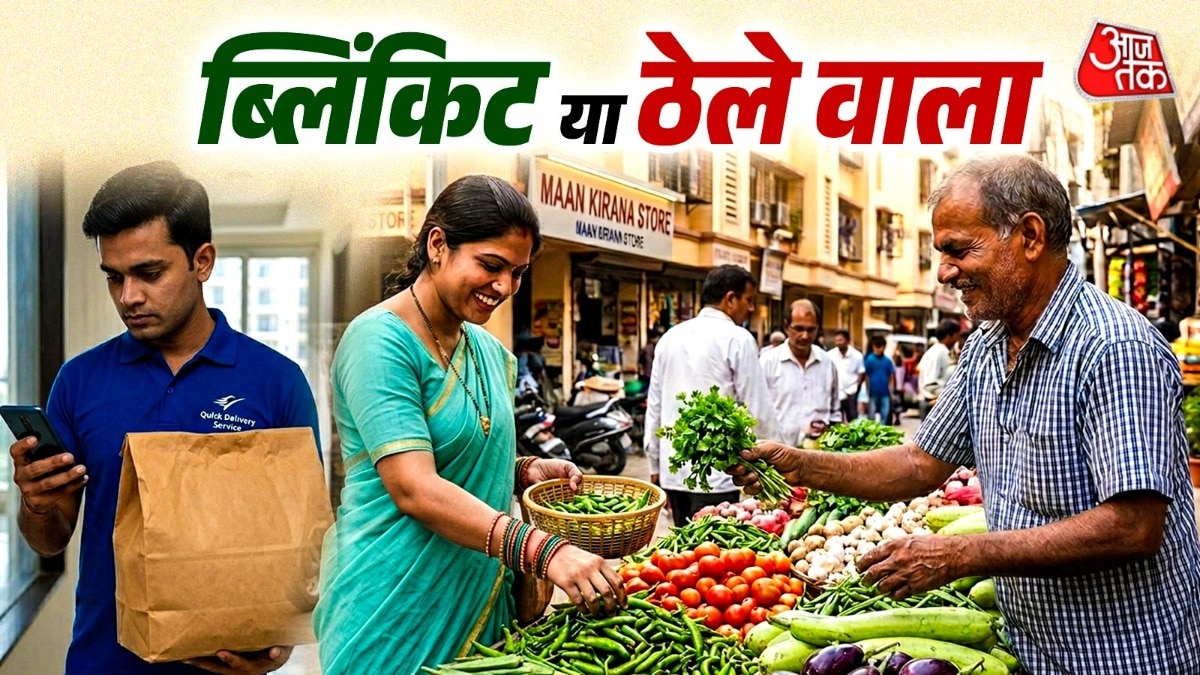
Ordering groceries, household items, makeup, and electronics for delivery within 10 minutes has become commonplace. Apps like Blinkit, Zepto, and Instamart promise heavy discounts and savings, but a closer look is needed to determine if these services truly save consumers money or lead to increased expenses.
The convenience of receiving items like flour, milk, and vegetables almost instantly is a significant draw for many households. However, the underlying business models of these quick-commerce platforms, which rely on rapid delivery, may come with hidden costs. Consumers are encouraged to question the actual financial benefits versus the perceived savings offered by these apps.
The rapid growth of 10-minute delivery services highlights a consumer demand for immediate gratification, driven by convenience and perceived cost savings through discounts. However, the operational intensity required for such speed, including extensive logistics networks and potentially higher labor costs, raises questions about the long-term sustainability and true affordability of these models. As these platforms compete fiercely, they may face pressure to optimize cost structures, potentially impacting pricing, service levels, or product availability in the future. Consumers should critically evaluate whether the convenience offered outweighs the potential for higher overall expenditure compared to traditional retail channels.
AI-generated to prompt reflection — not editorial opinion, not advice, not a statement of fact. How this works.