Are Earthquakes Becoming More Deadly? The Climate Change Connection
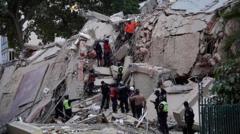
Major earthquakes in densely populated areas frequently raise concerns about their increasing frequency and severity, and whether they are causing more fatalities. A recurring question is whether climate change plays a role in these seismic events. This inquiry seeks to understand the relationship between geological phenomena and environmental shifts. The potential for more destructive earthquakes in populated regions necessitates a thorough examination of all contributing factors, both natural and anthropogenic. Understanding these connections is crucial for disaster preparedness and mitigation strategies.
The frequency and intensity of earthquakes are primarily governed by geological processes within the Earth's crust, such as tectonic plate movement. While climate change significantly impacts surface-level phenomena like weather patterns and sea levels, direct causal links to the frequency or magnitude of deep-seated seismic events remain scientifically unestablished. Public concern often arises from increased media coverage and urbanization in seismically active zones, leading to higher casualty rates when events occur. Future research may explore indirect influences, but current scientific consensus points to geological factors as the dominant drivers of earthquakes. Understanding these distinctions is vital for accurate risk assessment and resource allocation in disaster management, ensuring that mitigation efforts are focused on the most impactful and scientifically supported causal pathways.
AI-generated to prompt reflection — not editorial opinion, not advice, not a statement of fact. How this works.