Are Only Children Selfish? Experts Say Parenting, Not Sibling Status, is Key
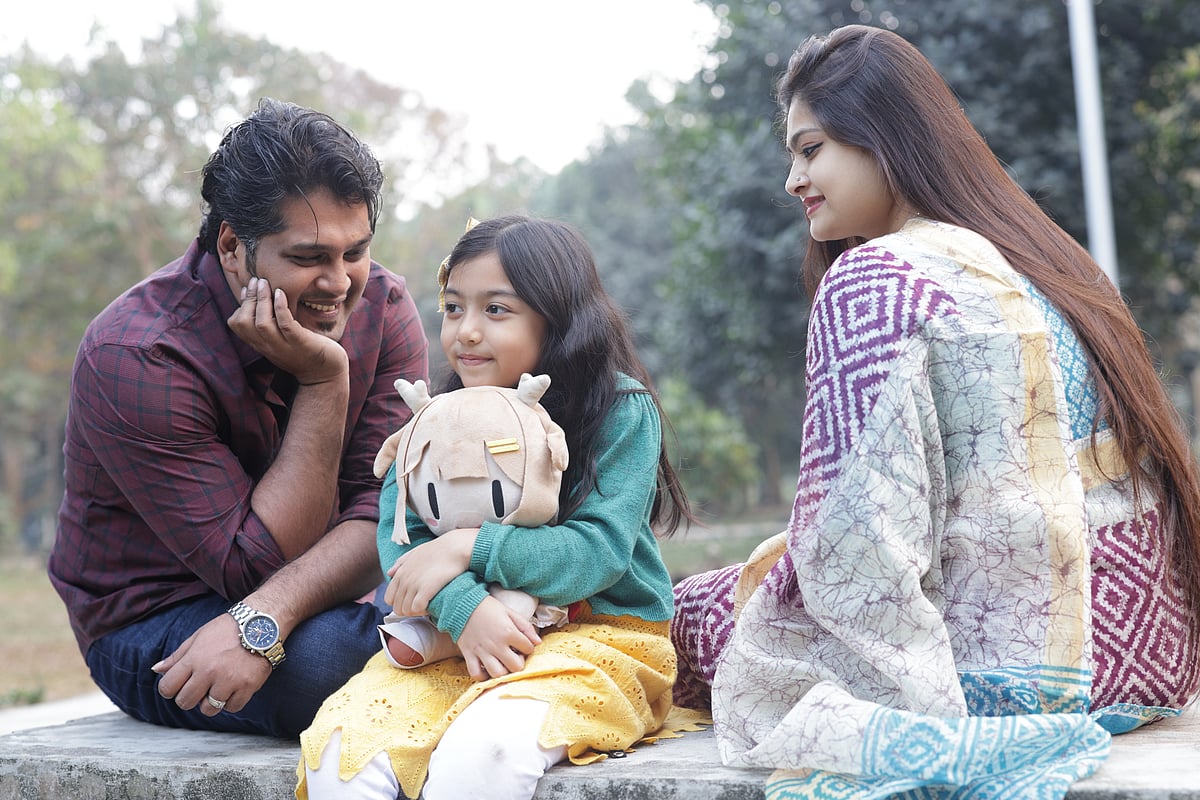
A common societal belief suggests that only children tend to be selfish or self-centered due to a lack of siblings to share with. However, experts argue that a child's development of empathy and social skills is primarily influenced by parenting styles and environmental factors, rather than the presence or absence of siblings. While only children may not have the experience of sharing toys or parental affection with siblings, this does not inherently make them selfish. Conversely, children with siblings can also develop jealousy or selfishness. The crucial elements for fostering empathy lie in parental encouragement and the surrounding environment. Building strong relationships with cousins, such as maternal or paternal relatives, can provide opportunities for interaction and sharing, even without siblings. Regular family contact and exposure to diverse social settings, including neighbors, playmates, and classmates, help children develop communication skills and learn the importance of sharing. Observing and understanding the emotions of others, like a friend's sadness when play is interrupted or empathy for a classmate being disciplined, are learned behaviors. Parents can actively encourage sharing by motivating their child to share food or toys, or by teaching them to understand the struggles of others, such as feeding a hungry animal. This nurturing approach, tailored to the child's age and understanding, cultivates humanity and consideration for others, irrespective of sibling status. While not having siblings can offer more opportunities for independent decision-making, which can foster confidence, excessive pampering or limited social interaction can lead to self-centeredness. Parents may unintentionally deprive only children of normal freedoms, potentially leading to over-dependence and difficulty adapting to new social dynamics later in life, such as in marriage or when caring for aging parents. Ultimately, a child's personality and social adaptability are shaped by their upbringing and exposure to social and cultural environments, not solely by whether they have siblings.
The societal perception of only children as inherently selfish is a generalization that overlooks the significant impact of parental guidance and social environment. While the absence of siblings may alter the dynamics of sharing and conflict resolution within the immediate household, it does not predetermine a child's capacity for empathy or social integration. Modern parenting practices, particularly in contexts where family sizes are shrinking, often compensate for the lack of siblings by actively fostering social interaction through playdates, extracurricular activities, and extended family engagement. The critical factor appears to be the intentional cultivation of prosocial behaviors by caregivers, teaching children to understand and respond to the needs of others. This perspective suggests that the 'only child syndrome' is less a biological or structural inevitability and more a potential outcome of specific parenting choices, such as overprotection or insufficient opportunities for social learning. As societal structures evolve, with increased emphasis on individual development and diverse forms of community, the traditional dichotomy between children with and without siblings may become less relevant in predicting personality traits. The focus should remain on the quality of nurturing and the breadth of social experiences provided, rather than the number of children in a family.
AI-generated to prompt reflection — not editorial opinion, not advice, not a statement of fact. How this works.