Are You Being Deceived by 'First Copy' Products?
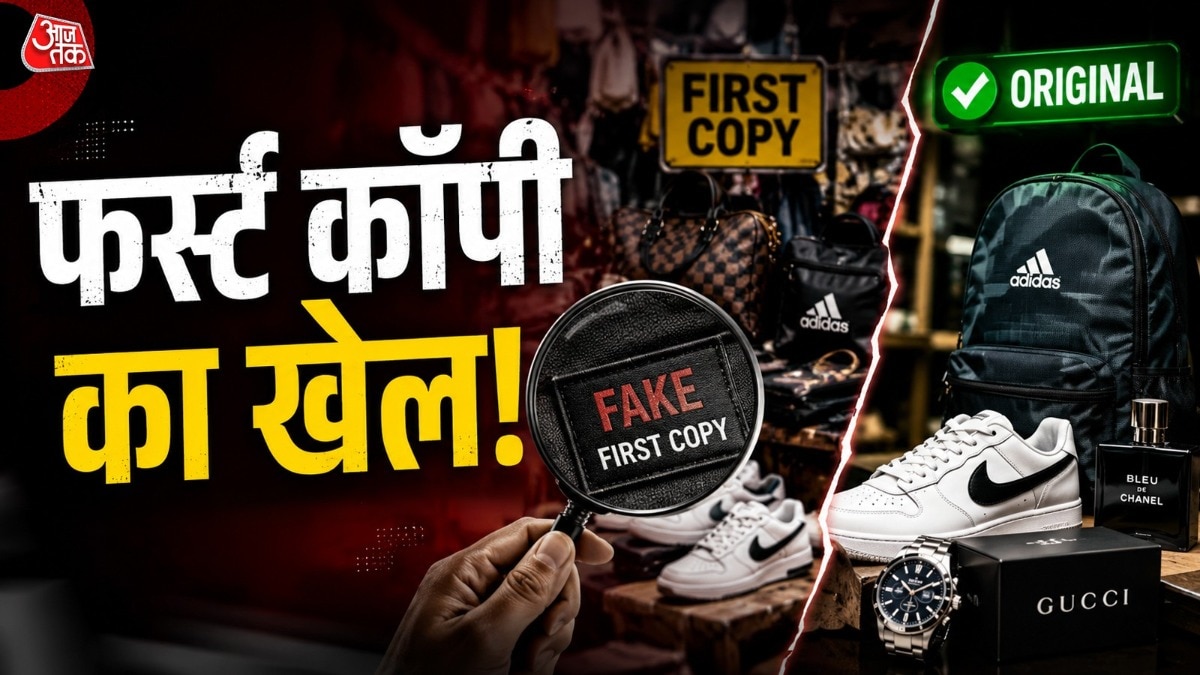
Many consumers are attracted to the idea of purchasing high-end branded goods at significantly lower prices when offered as 'first copy,' 'master copy,' or 'AAA quality.' This practice raises a crucial question about the true nature of these 'first copy' items. While the desire for luxury products is widespread, the availability of cheaper alternatives often leads people to buy without thorough consideration. The core issue revolves around understanding what constitutes a 'first copy' in the market. These terms are frequently used to market counterfeit or replica goods that mimic the appearance of genuine luxury brands. Consumers may believe they are acquiring a high-quality alternative, but often they are purchasing unauthorized reproductions. This practice can mislead buyers about the origin, quality, and legality of the products they are purchasing. The distinction between genuine products and these lower-priced replicas is often blurred, making it difficult for consumers to make informed decisions. The widespread availability of such items highlights a significant challenge in consumer protection and intellectual property rights.
The proliferation of 'first copy' or replica goods exploits consumer desire for aspirational brands at accessible price points. This market dynamic creates a tension between brand exclusivity, intellectual property rights, and consumer demand for affordability. While offering perceived value, these replicas can undermine legitimate businesses, erode brand equity, and potentially expose consumers to substandard or unsafe products. The underlying incentive structure encourages manufacturers and sellers to capitalize on brand recognition without incurring the costs of genuine product development and marketing. Looking ahead, the digital age and advanced manufacturing technologies may further blur the lines between authentic and counterfeit items, necessitating stronger regulatory frameworks and enhanced consumer education to navigate these complex market realities.
AI-generated to prompt reflection — not editorial opinion, not advice, not a statement of fact. How this works.