Are You Unknowingly Harming Ecosystems by Plucking Kadamba Flowers?
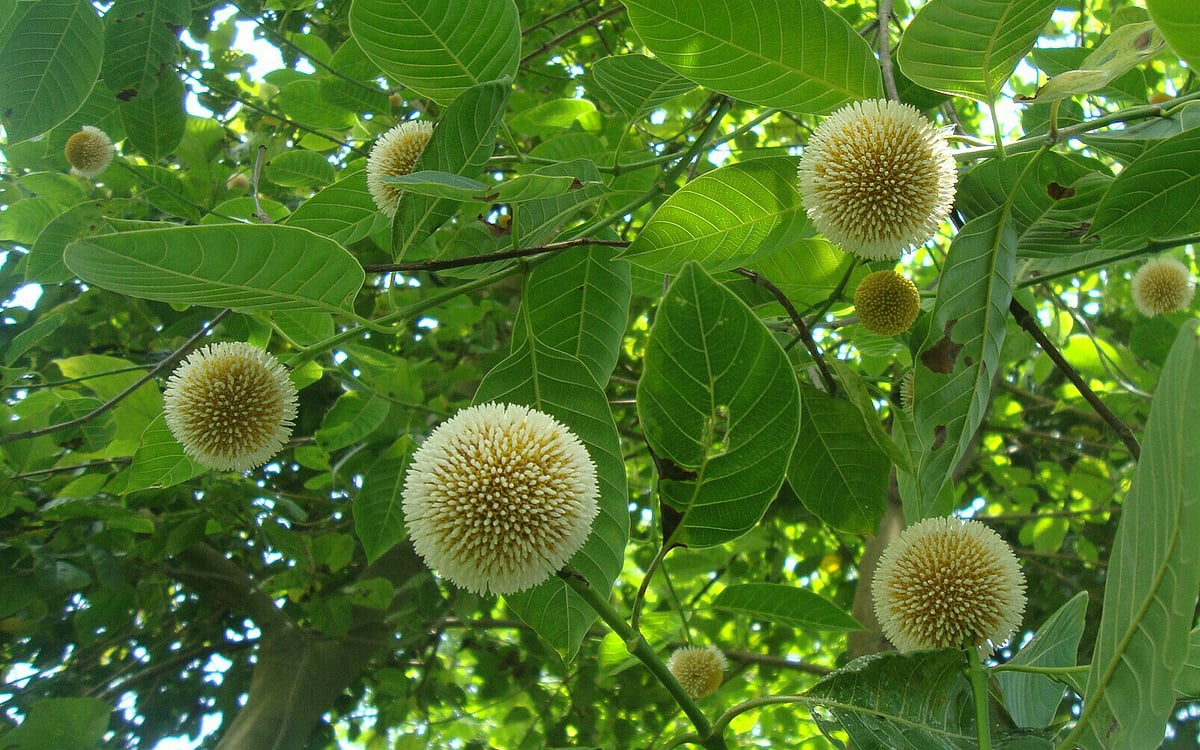
The Kadamba flower holds deep cultural and literary significance in Bengali tradition, often associated with the love and separation of Radha and Krishna in Vaishnav literature. Prominent poets and writers like Rabindranath Tagore and Kazi Nazrul Islam have frequently depicted the Kadamba as a symbol of monsoon, love, beauty, and emotion in their works. Beyond its aesthetic appeal, the Kadamba flower is not merely a natural bloom; it is an integral part of Bengali cultural identity and artistic sensibility. The question is raised whether the act of plucking these flowers, often done without a second thought, might inadvertently cause harm to the local ecosystem. This practice, while seemingly innocuous, could have unacknowledged ecological consequences. The cultural importance of the Kadamba flower is undeniable, but its role in the natural environment also warrants consideration. Understanding the potential ecological impact is crucial for appreciating the flower's multifaceted significance.
The cultural veneration of the Kadamba flower, deeply embedded in Bengali literature and identity, highlights a common human tendency to anthropomorphize nature and assign symbolic value. While this connection enriches cultural heritage, it can also lead to practices that overlook ecological functions. The act of plucking flowers, often driven by aesthetic appreciation or symbolic association, may disrupt pollination cycles and seed dispersal, impacting biodiversity. Future ecological stewardship will require balancing cultural practices with scientific understanding of ecosystem dynamics, ensuring that symbolic appreciation does not inadvertently undermine the environmental health upon which cultural practices ultimately depend. This tension between cultural significance and ecological impact offers a lens through which to view human interaction with the natural world in the coming decade.
AI-generated to prompt reflection — not editorial opinion, not advice, not a statement of fact. How this works.