Argentina and England's World Cup Semifinal Echoes Historic Falklands Rivalry
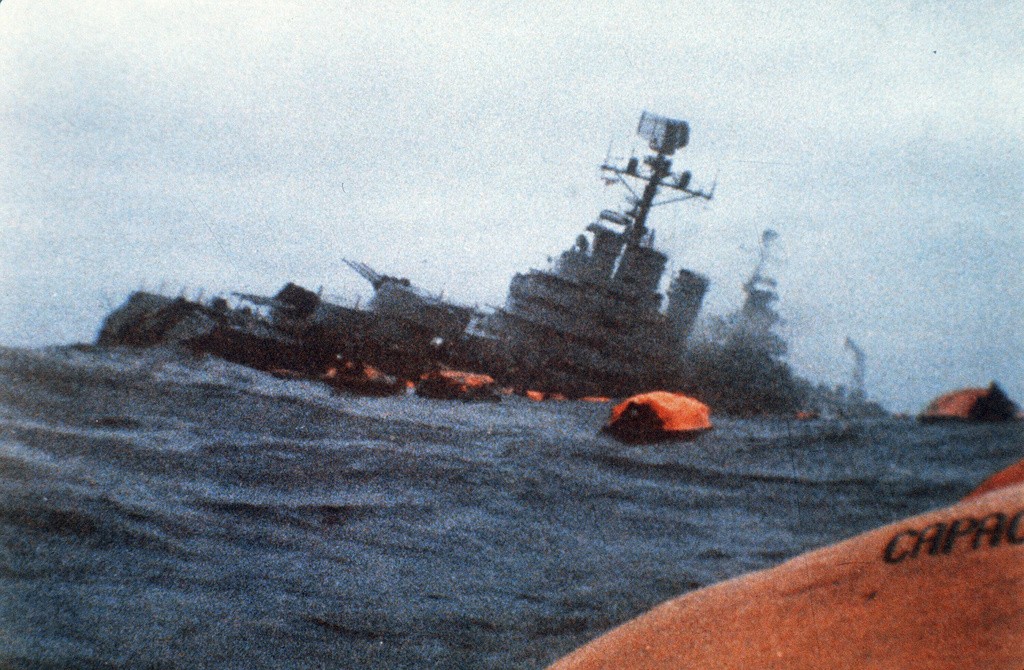
Argentina and England are set to face each other in a World Cup semifinal match on Wednesday, December 15th, reigniting a deep-seated historical rivalry between the two nations. This animosity stems significantly from the 1982 Falklands War, a conflict over the sovereignty of the South Atlantic islands, which Argentina lost. Over 40 years later, the status of the islands, known as the Malvinas in Argentina and the Falklands in the UK, remains a contentious issue. Current Argentine President Javier Milei, who assumed office in April 2024, has vocally supported Argentina's claim to sovereignty over the islands, vowing to pursue their return. This stance echoes similar claims made by previous Argentine presidents, including Cristina Kirchner and Mauricio Macri. The core of Argentina's claim is the islands' proximity to Patagonia, approximately 600 kilometers off the coast, compared to the roughly 13,000 kilometers distance from the United Kingdom. Argentina asserts historical occupation by the Spanish, who governed the region that later became independent Argentina in 1810. Argentina sent officials to claim possession in the 1820s and appointed a governor in 1829, only to have these authorities expelled by the British in 1833. In April 1982, under a military dictatorship, Argentina launched Operation Rosario, a military attempt to retake the islands, initiating the Falklands War. The UK counters that its claim dates back to 1765 and that it dispatched a warship in 1833 to remove Argentine forces. The 1982 war, which began with Argentina's invasion, concluded two months later with a British victory, resulting in the deaths of 649 Argentine soldiers, 255 British service members, and 3 island residents. In a 2013 referendum, Falklands residents overwhelmingly voted to remain a British Overseas Territory.
The upcoming World Cup match between Argentina and England serves as a potent symbol, drawing attention to the enduring geopolitical sensitivities surrounding the Falklands/Malvinas dispute. While the sporting event is distinct from the 1982 conflict, the historical context highlights how national identity and territorial claims can become deeply intertwined with international relations and public sentiment. The persistent Argentine claims, regardless of political leadership, suggest a long-term strategic and historical objective. Conversely, the 2013 referendum outcome underscores the principle of self-determination for the island's inhabitants, presenting a complex interplay between historical claims, national aspirations, and the contemporary rights of a population. Future diplomatic efforts will likely continue to navigate these competing frameworks, influenced by evolving regional dynamics and international legal interpretations.
AI-generated to prompt reflection — not editorial opinion, not advice, not a statement of fact. How this works.