Argentina Approves New Organ Transplant Protocol to Boost Availability
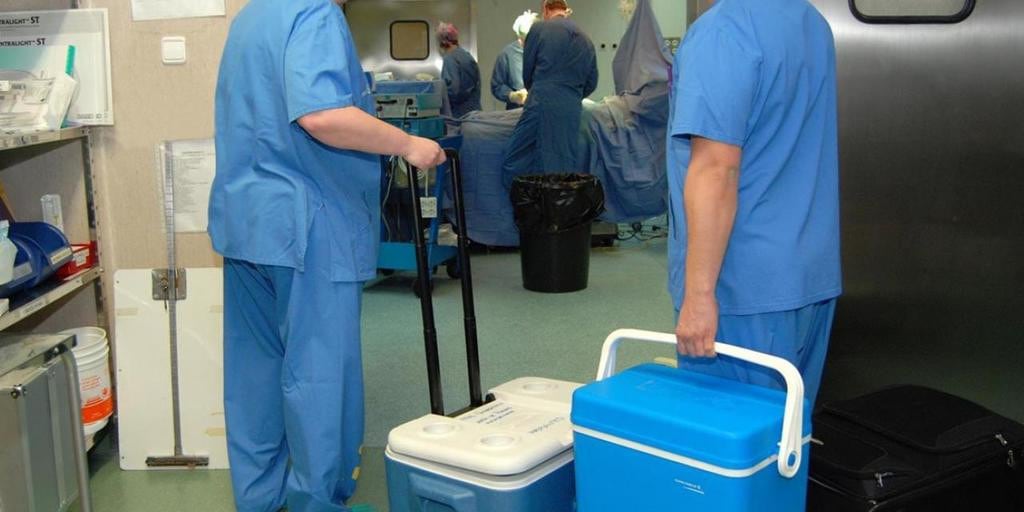
The National Institute Centralized Coordination of Ablation and Transplantation (Incucai) in Argentina has approved a new protocol for a technique designed to increase the availability of organs for transplantation. This technique, known as normothermic regional perfusion, is specifically for the procurement of abdominal and thoracic organs. It aims to mitigate the damage that occurs due to a lack of oxygenation after a donor has passed away. By maintaining organ viability, the method allows for a more thorough evaluation of their suitability for implantation. This advancement is expected to improve the chances of successful transplants by ensuring organs are in better condition at the time of procurement. The protocol's approval marks a significant step in enhancing Argentina's organ donation and transplantation system.
The implementation of normothermic regional perfusion represents a technological advancement aimed at optimizing organ viability, thereby potentially increasing transplant success rates and reducing organ wastage. This protocol addresses the critical challenge of ischemic damage in organ procurement, a common limitation in transplantation. By preserving organ function for a longer evaluation period, it could expand the pool of viable organs and improve logistical coordination. Future considerations may involve assessing the long-term outcomes and cost-effectiveness of this technique compared to traditional methods, as well as its scalability across different healthcare settings within Argentina and potentially other nations facing similar organ shortage issues. The focus on maximizing the utility of available donor organs aligns with global public health strategies to improve access to life-saving medical interventions.
AI-generated to prompt reflection — not editorial opinion, not advice, not a statement of fact. How this works.
