Argentina Coach Lionel Scaloni Emotional After World Cup Final Loss to Spain
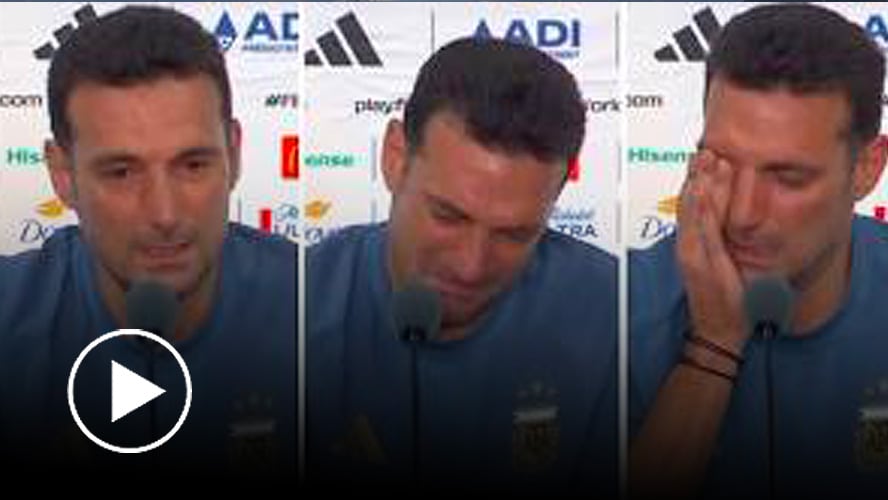
Argentina's head coach, Lionel Scaloni, was visibly emotional following his team's 1-0 defeat in the World Cup final against Spain. Scaloni, speaking with a broken voice and evident sadness, struggled to continue his post-match press conference. The loss marked a significant disappointment for the Argentine team and its supporters. Scaloni's reaction highlighted the intense pressure and emotional toll of competing at the highest level of international football. The final match, held in [Location, if known, otherwise omit] on [Date, if known, otherwise omit], saw a tightly contested game with Spain ultimately securing the victory. This defeat represents a challenging moment for Scaloni and the Argentine national team as they regroup after the tournament. The coach's profound reflection underscored the deep personal investment and emotional commitment required to lead a national team in such a prestigious competition. His inability to complete the press conference demonstrated the depth of his disappointment and the weight of the loss.
The emotional reaction of Coach Scaloni following a significant sporting defeat underscores the immense psychological pressure inherent in elite international competition. While understandable on a human level, such public displays can be analyzed through the lens of team morale and public perception management. From a strategic standpoint, the post-match press conference serves as a critical communication channel, influencing fan sentiment and media narratives. The challenge for any coach is to maintain composure and provide a measured response, even in the face of profound disappointment, to project resilience and leadership. This event prompts consideration of the support systems available to high-profile figures in high-stress environments and the long-term implications of such intense emotional investment on individual well-being and team dynamics.
AI-generated to prompt reflection — not editorial opinion, not advice, not a statement of fact. How this works.