Argentina Confirms Long July Weekend with Public Holiday and Bridge Day
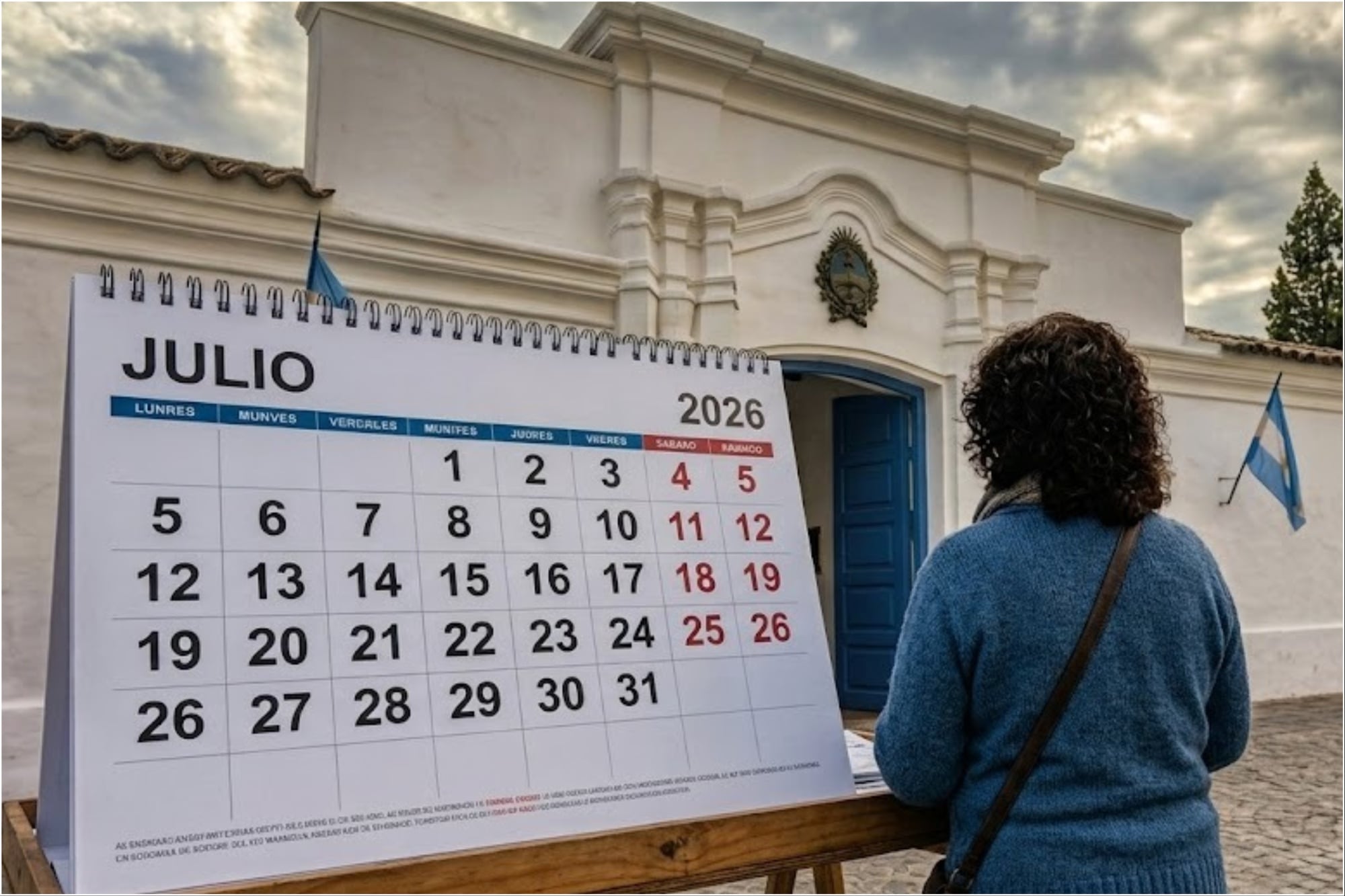
Argentina will observe a long weekend in July, offering a brief respite for travel. The extended break is made possible by a combination of a public holiday and a "bridge day," a non-working day designated to connect a holiday to a weekend. This arrangement is established under national law, providing an opportunity for citizens to take short trips. The specific details of the legislation governing these non-working days ensure that the seventh month of the year includes this planned period of leisure. The confirmation of this long weekend follows established legal frameworks for national holidays and non-working days in Argentina. This measure aims to facilitate domestic tourism and provide citizens with additional time for recreation. The specific dates for this July long weekend will be determined by the official calendar, factoring in the public holiday and the strategically placed bridge day. This practice of creating extended weekends through bridge days is a common feature in the Argentine calendar, designed to boost economic activity through increased travel and leisure spending.
The implementation of bridge days in Argentina's national calendar highlights a policy approach that balances economic stimulation through tourism with the provision of public leisure time. This strategy leverages existing public holidays to create extended breaks, potentially boosting sectors reliant on domestic travel and hospitality. However, it also raises questions about labor productivity and the potential for disruptions in industries requiring continuous operation. The long-term effectiveness of this policy may depend on its impact on overall economic output versus the benefits derived from increased consumer spending during these extended weekends. Future considerations might involve optimizing the frequency and placement of such bridge days to maximize economic benefits while minimizing operational impacts across diverse economic sectors.
AI-generated to prompt reflection — not editorial opinion, not advice, not a statement of fact. How this works.