Argentina Defender Accuses Rodri of Trying to Influence Referees
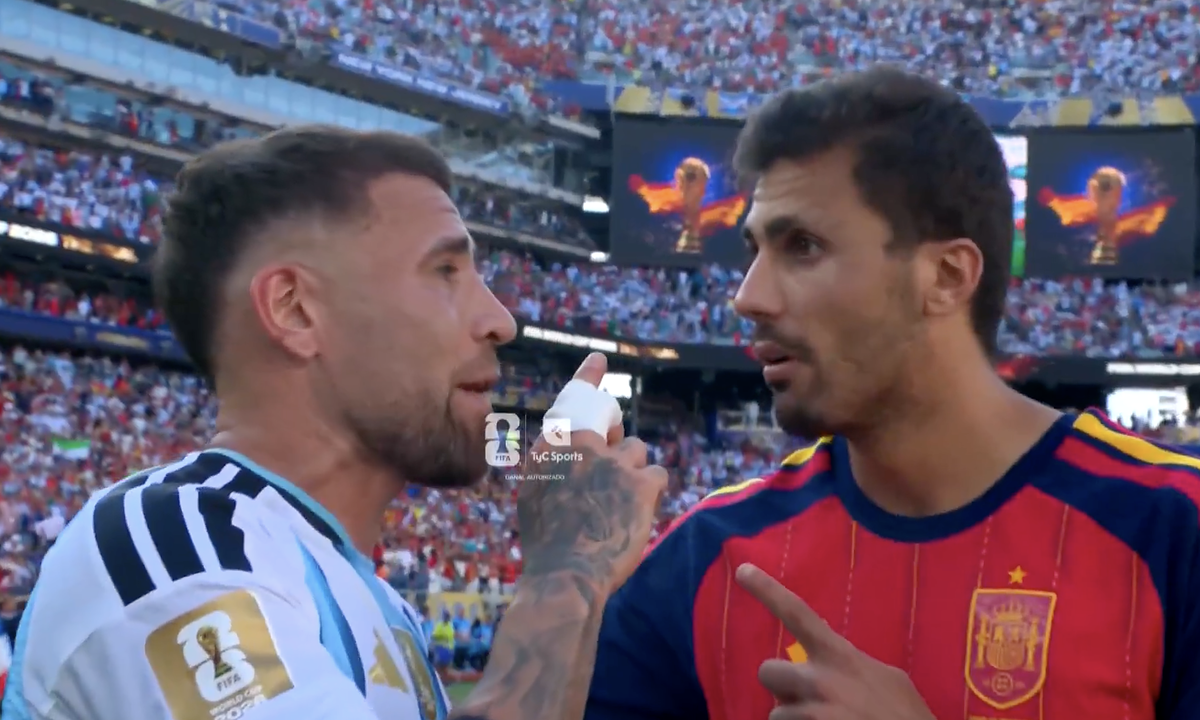
Veteran Argentine defender Nicolas Otamendi has accused Spanish midfielder Rodri and the Spanish national team of attempting to influence the referees during the 2026 World Cup final. Otamendi, speaking after the match, claimed that Rodri and his teammates spent the entire week leading up to the final complaining to officials. He suggested that this behavior was an attempt to gain an unfair advantage. The World Cup final, a highly anticipated match, concluded with Argentina emerging victorious. Otamendi's comments suggest a perceived psychological tactic employed by the Spanish team. This accusation adds a layer of controversy to the aftermath of the significant international football event. The specific nature of the alleged influence attempts was not detailed, but Otamendi's statement implies a sustained effort by the Spanish side.
This incident highlights the intense psychological pressures inherent in high-stakes international sporting events. Teams often employ a range of strategies, both on and off the field, to gain a competitive edge. Accusations of attempting to influence officials, while difficult to substantiate without concrete evidence, point to the strategic importance of perception management and the potential for gamesmanship. Such tactics, if employed, reflect a broader dynamic where teams seek to leverage every available avenue, including the refereeing body, to shape outcomes. In the context of future sporting events, this underscores the ongoing challenge for governing bodies to maintain the integrity of the game against sophisticated influence attempts, while also acknowledging the human element of competitive drive and pressure.
AI-generated to prompt reflection — not editorial opinion, not advice, not a statement of fact. How this works.