Argentina Defends Biodiesel Production Methods to European Officials
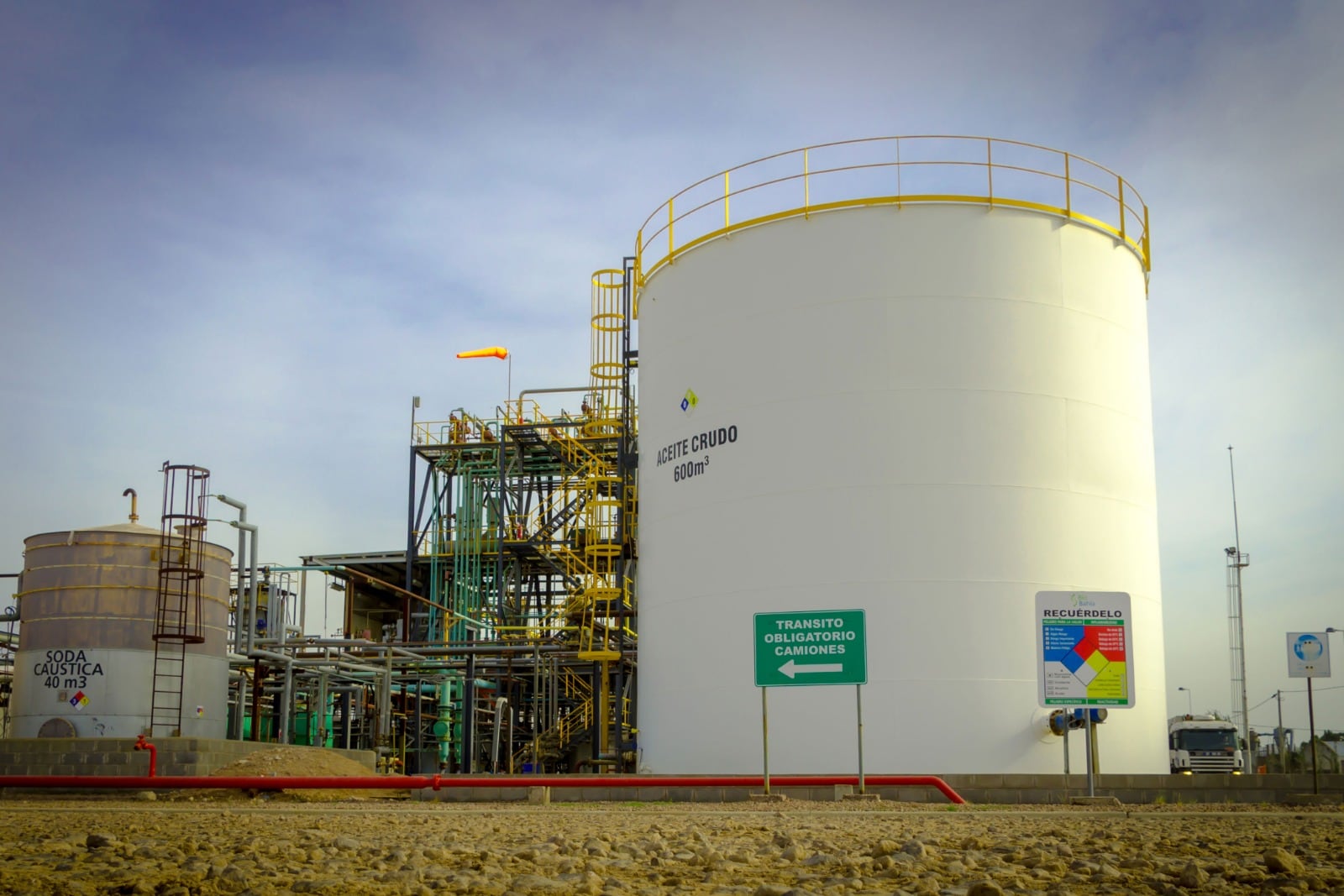
Argentine officials and private sector executives met with high-ranking European authorities to defend the nation's biodiesel production methods. This meeting occurred after the European Parliament decided against classifying soybeans, the primary raw material for biodiesel, into a category that would have negatively impacted Argentine exports. The delegation presented proposals aimed at ensuring continued market access for their biodiesel products. The discussions focused on the sustainability and economic viability of Argentina's approach to producing this biofuel. Argentina, a significant global exporter of biodiesel, sought to reassure European counterparts about its production standards. The outcome of these discussions is crucial for maintaining Argentina's position in the European biofuel market. The presentation highlighted the economic importance of biodiesel exports for Argentina and the potential consequences of restrictive trade measures.
Argentina's engagement with European authorities highlights the complex interplay between national production strategies and international trade regulations in the renewable energy sector. The European Parliament's consideration of classifying soybean feedstock signals a growing trend towards scrutinizing the sustainability credentials of biofuels, potentially impacting global supply chains. Argentina's proactive defense of its methods suggests an effort to align its practices with evolving international standards or to negotiate exemptions based on its economic reliance on these exports. This situation underscores the need for clear, globally harmonized criteria for biofuel sustainability to foster predictable market conditions and avoid trade disputes driven by differing regulatory frameworks. The long-term challenge will be balancing environmental objectives with the economic realities of developing nations heavily invested in agricultural commodity exports.
AI-generated to prompt reflection — not editorial opinion, not advice, not a statement of fact. How this works.