Argentina Develops Environmental Traffic Light System for Water Quality Monitoring
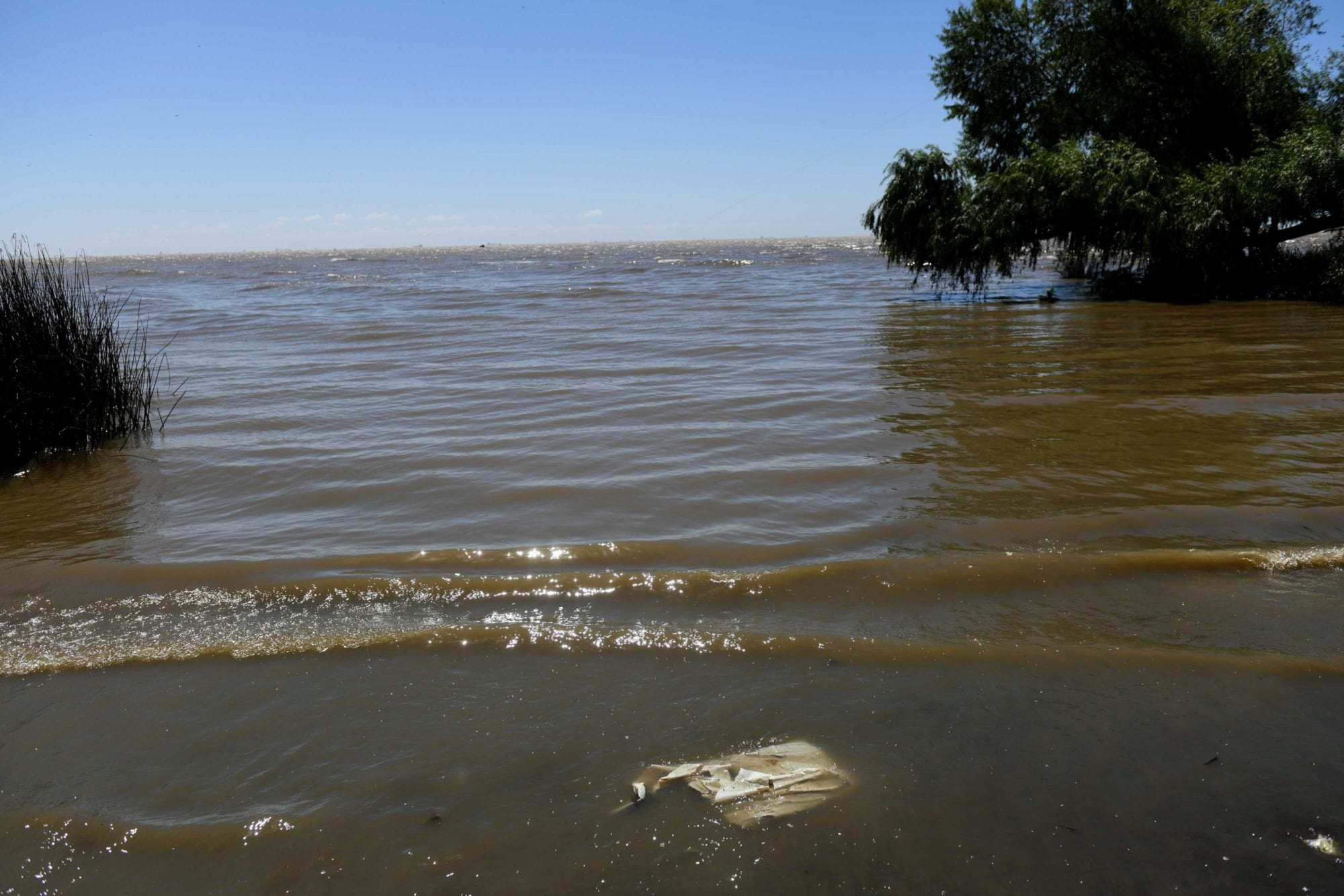
Argentine scientists have created an innovative environmental traffic light system to assess pollution levels in the country's rivers, streams, and lakes. This system utilizes an interactive online map and a mobile application, allowing for the input of data from across Argentina. The tool aims to provide a clear and accessible overview of water quality, categorizing bodies of water based on their pollution status. Users can identify which aquatic environments are performing the best and which are facing the most significant challenges. The development is a significant step towards more effective environmental monitoring and management in Argentina. The interactive map and app are designed to be user-friendly, encouraging broader participation in data collection and public awareness. This initiative by Argentine researchers highlights a commitment to leveraging technology for environmental protection. The system's ability to visualize pollution data in real-time is expected to aid policymakers and environmental agencies in making informed decisions. It also empowers citizens with information about the health of their local water resources.
This environmental monitoring system represents a proactive approach to managing water resources, leveraging digital tools for public engagement and data-driven decision-making. By creating a transparent, accessible platform, it incentivizes accountability among various stakeholders, from local communities to national environmental agencies. The system's design, which categorizes water bodies, could highlight systemic issues in industrial discharge, agricultural runoff, or urban wastewater management. Over the next decade, as climate change intensifies water scarcity and pollution concerns, such data-driven, participatory environmental governance tools will become increasingly critical for adaptive management and ensuring equitable access to clean water resources.
AI-generated to prompt reflection — not editorial opinion, not advice, not a statement of fact. How this works.