Argentina edges England in dramatic comeback to reach World Cup final
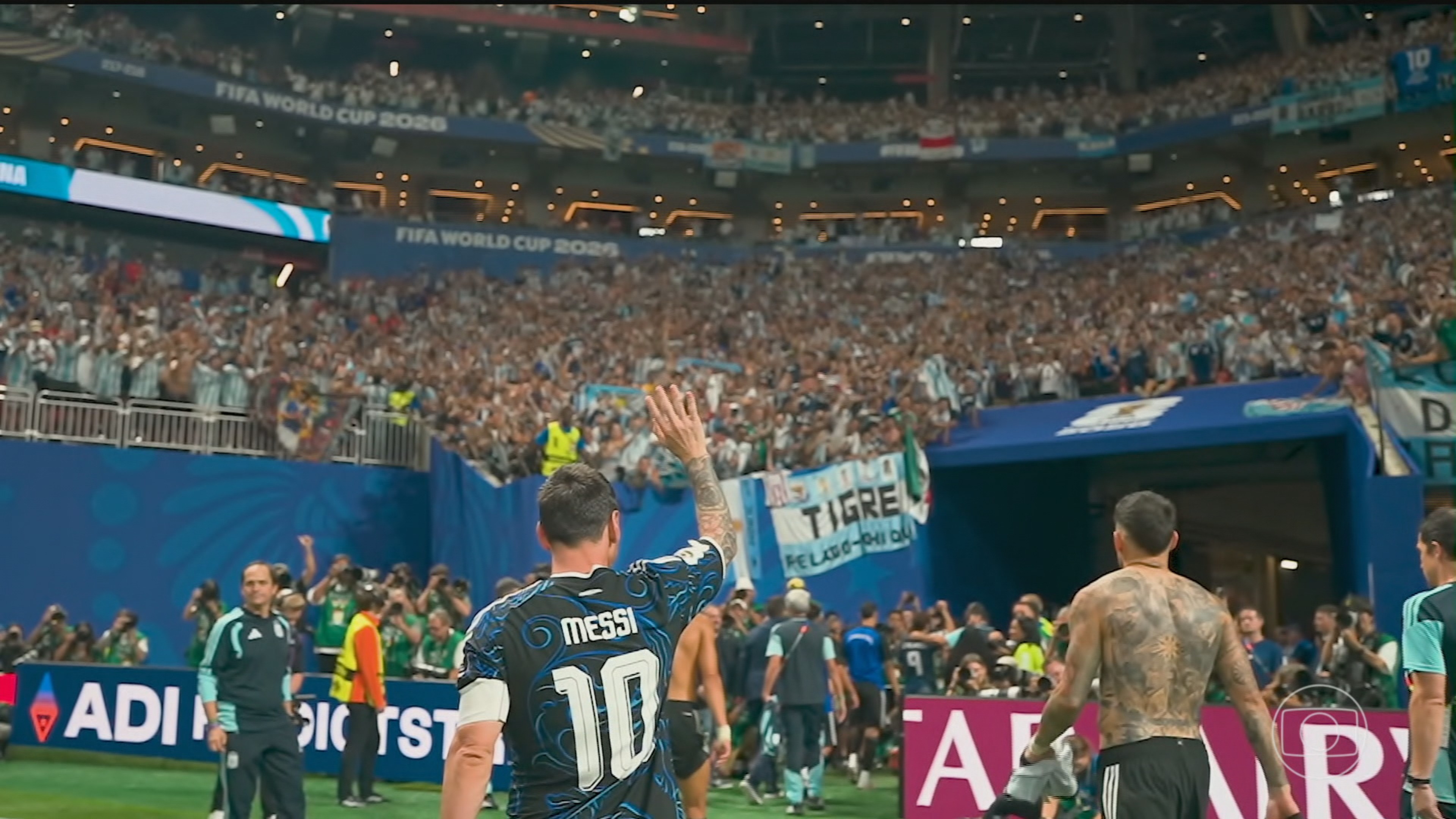
Argentina has secured a spot in the World Cup final after a thrilling comeback victory against England, led once again by Lionel Messi. This marks the second consecutive final for Argentina and their third in the last four tournaments. The match was characterized by intense historical rivalry between the two nations, evident in the pre-game anthem reception and on-field interactions. Despite a hard-fought battle, England took the lead through Anthony Gordon, assisted by Rogers, after a strong attack. However, Argentina's resilience, a recurring theme in their tournament run, ultimately prevailed. Enzo Fernández equalized for Argentina in the 85th minute after a pass from Messi. Just six minutes later, Lautaro Martínez scored the winning goal, set up by Messi, following a rebound off the post from Mac Allister's shot. This dramatic turnaround in the final minutes secured Argentina's place in the championship match, where they will vie for their fourth World Cup title. The team's journey has been marked by passionate fan support and Messi's inspirational performances, highlighting a blend of gratitude and courage.
This World Cup match highlights the strategic importance of sustained offensive pressure and capitalizing on late-game opportunities, particularly in high-stakes knockout stages. The narrative of a dramatic comeback, while emotionally resonant, underscores a broader pattern in elite football where teams must balance defensive solidity with the capacity for rapid offensive transitions. Argentina's repeated success in late comebacks suggests a strong psychological component and potentially superior fitness or tactical adjustments in the closing stages of matches. From a competitive standpoint, this outcome reinforces the value of experienced leadership, like Messi's, in guiding a team through moments of adversity and converting pressure into decisive actions. Future tournament strategies may increasingly focus on developing robust late-game performance capabilities, recognizing that matches are often won or lost in the final minutes, irrespective of earlier dominance.
AI-generated to prompt reflection — not editorial opinion, not advice, not a statement of fact. How this works.