Argentina Faces Widespread Industrial Shutdowns Due to Gas Shortages
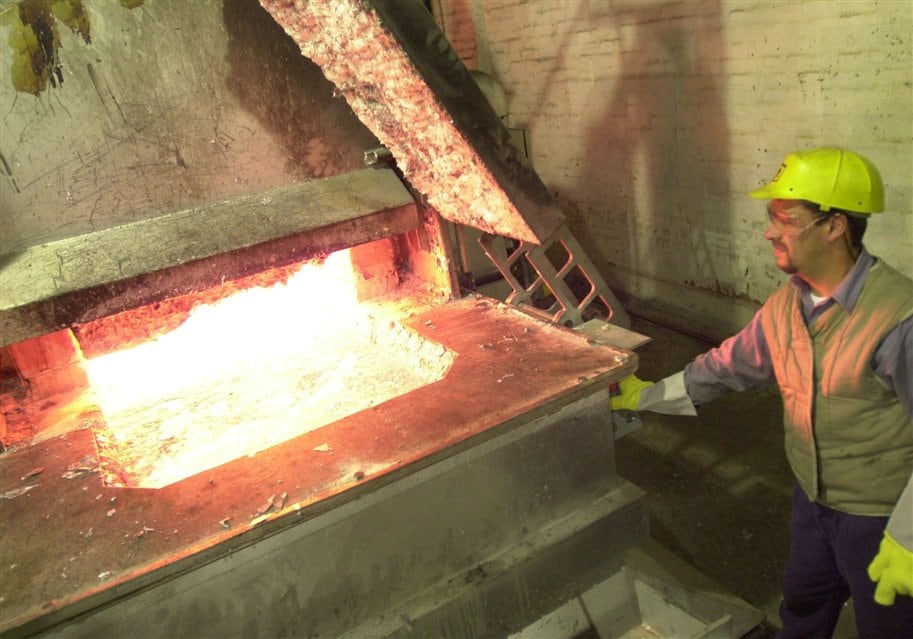
An estimated 500 to 600 industries across Argentina have been forced to halt operations due to a severe lack of natural gas. This widespread industrial paralysis is significantly impacting the country's production capabilities. Companies are finding the alternative, liquefied natural gas (LNG), to be prohibitively expensive, making it economically unfeasible for many factories to continue running. The high cost of LNG as a substitute fuel is a major contributing factor to the ongoing shutdowns. This situation highlights a critical energy supply challenge facing the Argentine industrial sector. The inability to secure affordable gas is leading to substantial economic losses and potential job insecurity for workers in affected industries. The government and energy sector are facing pressure to address this crisis and find sustainable solutions for industrial energy needs. The reliance on expensive imported alternatives like LNG underscores vulnerabilities in Argentina's domestic energy infrastructure and supply chain. This situation could have long-term repercussions on Argentina's industrial competitiveness and economic growth if not resolved.
The current industrial shutdowns in Argentina, driven by natural gas scarcity and the high cost of alternatives like LNG, reveal significant structural vulnerabilities in the nation's energy supply chain. Dependence on costly imported fuels exposes domestic industries to global price volatility and impacts their international competitiveness. This situation prompts a critical examination of Argentina's long-term energy strategy, including investments in domestic production, diversification of energy sources, and infrastructure development to ensure stable and affordable energy for industrial sectors. Addressing these systemic issues is crucial for fostering sustainable economic growth and mitigating future disruptions in the face of evolving global energy dynamics and the increasing demands of the AI era.
AI-generated to prompt reflection — not editorial opinion, not advice, not a statement of fact. How this works.