Argentina Fans Blame FIFA, Referees After World Cup Final Loss to Spain
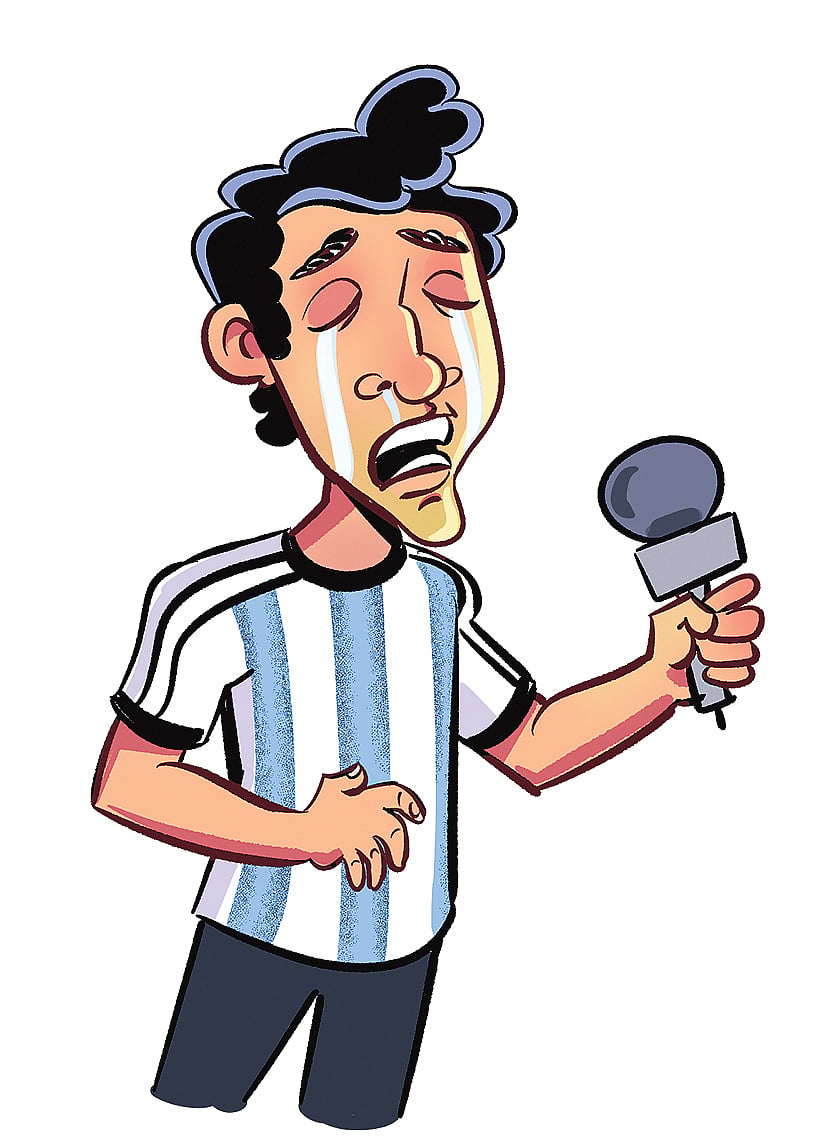
Following a World Cup final defeat to Spain, an Argentina supporter expressed deep disappointment, attributing the loss entirely to FIFA and the referee. He lamented that his family now teases him about the loss, stating, "At this age, can I tolerate this?" He vehemently denied any suggestion that Argentina paid FIFA to reach the final, instead praising Lionel Messi's generosity. The fan insisted that Spain's disallowed first goal was a clear foul, questioning the ease with which goals are scored against top players. He also downplayed Argentina's need for multiple shots, claiming one is enough. Regarding Brazil supporters, he criticized their pride in past victories, noting their recent knockout stage exits and questioning their celebrations when Spain, not Brazil, won. In contrast, a Brazil supporter expressed immense joy, stating they were happier than if Brazil had won. This fan echoed the sentiment that Argentina reached the final through dubious means, suggesting they paid off officials. He believed Spain's victory and the disallowed goal were the result of officials not receiving payments. He found it amusing that Argentina couldn't manage a single shot on goal in 120 minutes, joking that Spain's goalkeeper must have had the easiest game of his career. He advised caution around Argentina supporters, suggesting they would need time to recover from their grief and should be offered support, but also implying they might not show up if they felt ashamed.
This exchange highlights the intense emotional investment and narrative construction common in sports fandom, particularly after significant defeats. The Argentina fan's focus on external blame (FIFA, referee) serves as a coping mechanism, deflecting from potential team shortcomings and preserving the perceived integrity of their favored players. The Brazil fan's response, while also emotionally charged, frames the outcome as a form of karmic justice for perceived unfair play. Both perspectives illustrate how deeply held loyalties can lead to interpretations heavily influenced by pre-existing biases and a desire for validation. Looking ahead, the increasing commercialization and global reach of major sporting events like the World Cup will likely amplify such passionate, and sometimes polarized, fan reactions, making objective analysis of performance increasingly challenging amidst the noise of nationalistic fervor and perceived injustices.
AI-generated to prompt reflection — not editorial opinion, not advice, not a statement of fact. How this works.