Argentina Launches New Dual Bond to Manage Peso Supply
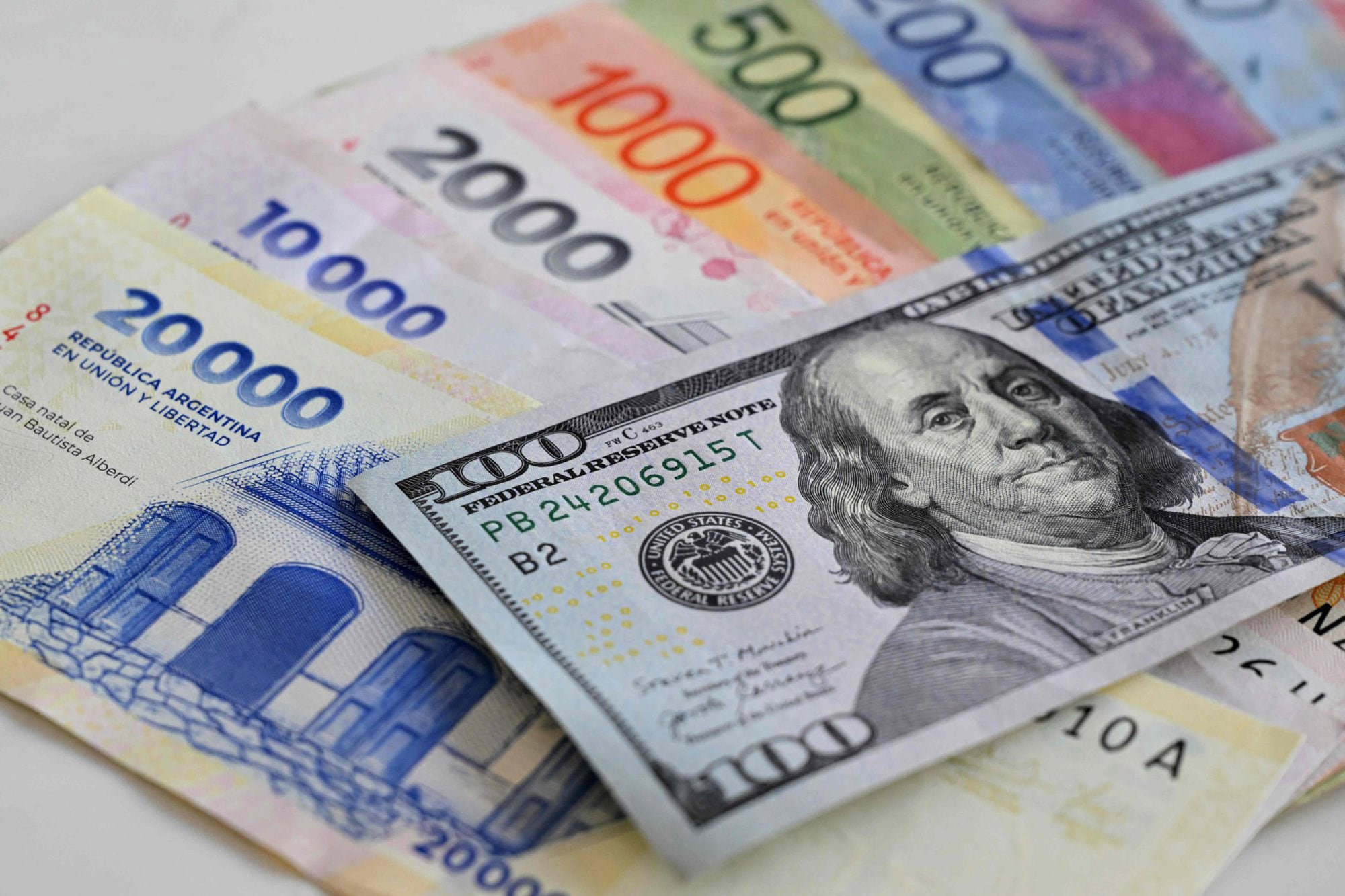
The Argentine government is issuing a new dual bond today, aiming to control the amount of pesos circulating in the economy. This new instrument was included in the afternoon's offering, which also features the second issuance of the Bonar 2029, a dollar-denominated bond. The dual nature of the bond likely offers investors flexibility, potentially allowing them to choose between peso or dollar-linked returns, or a combination thereof. This strategy is designed to manage liquidity and potentially stabilize the peso by offering an alternative to holding cash. The inclusion of the Bonar 2029 in the same offering suggests a broader strategy to tap into foreign currency markets while also addressing domestic monetary concerns. The government hopes this dual bond will attract investment and provide a mechanism to absorb excess pesos, thereby mitigating inflationary pressures. Further details on the specific terms and conditions of the dual bond are expected to be released with the official offering.
The Argentine government's issuance of a dual bond reflects a common strategy employed by emerging economies facing currency volatility and liquidity management challenges. By offering a bond with dual currency options, the government aims to attract a broader investor base and provide a hedge against inflation and devaluation. This approach seeks to sterilize excess peso liquidity, a persistent issue in Argentina, by channeling it into longer-term debt instruments. The success of this policy will depend on investor confidence in the government's economic management and the attractiveness of the bond's yield relative to inflation expectations and alternative investments. The dual structure, while offering flexibility, also introduces complexity in managing sovereign debt and its impact on fiscal accounts.
AI-generated to prompt reflection — not editorial opinion, not advice, not a statement of fact. How this works.