Argentina Launches New National Public Laboratory for Disease Outbreak Detection
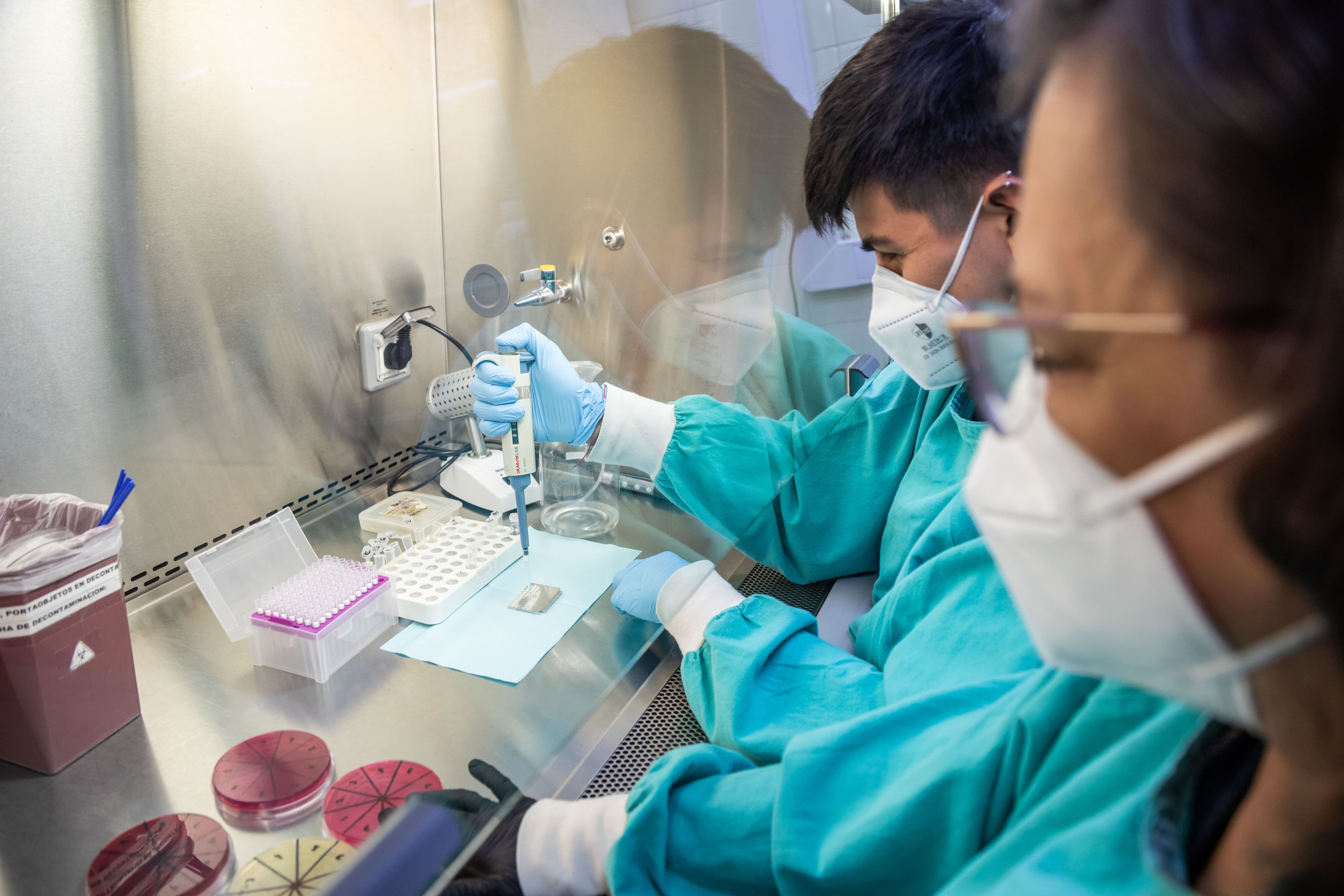
Argentina has inaugurated a new national public laboratory, an expansion of the Malbrán Institute, dedicated to detecting disease outbreaks. This state-of-the-art facility represents a significant investment of $295 million and spans 540 square meters. It will be staffed by a team of 30 professionals specializing in various disciplines. The laboratory's primary focus will be on surveillance of diseases transmitted through contaminated food and water. This initiative aims to enhance the country's capacity to respond rapidly to public health threats. The collaborative effort involves multiple disciplines working together to ensure comprehensive monitoring and analysis. The new lab is expected to play a crucial role in safeguarding public health by identifying and mitigating potential epidemics early on. Its establishment underscores Argentina's commitment to strengthening its public health infrastructure.
The establishment of this new national public laboratory signifies a strategic investment in Argentina's public health infrastructure, aiming to bolster disease surveillance capabilities. By centralizing resources and expertise for detecting outbreaks, particularly those linked to food and waterborne pathogens, the government signals a proactive approach to public health security. This move aligns with global trends emphasizing the need for robust early warning systems in an increasingly interconnected world. The laboratory's success will likely depend on sustained funding, inter-agency cooperation, and the effective integration of its findings into public health policy and response mechanisms over the next decade.
AI-generated to prompt reflection — not editorial opinion, not advice, not a statement of fact. How this works.