Argentina Lifts Ban on Nicotine Products, Sparking Health Concerns
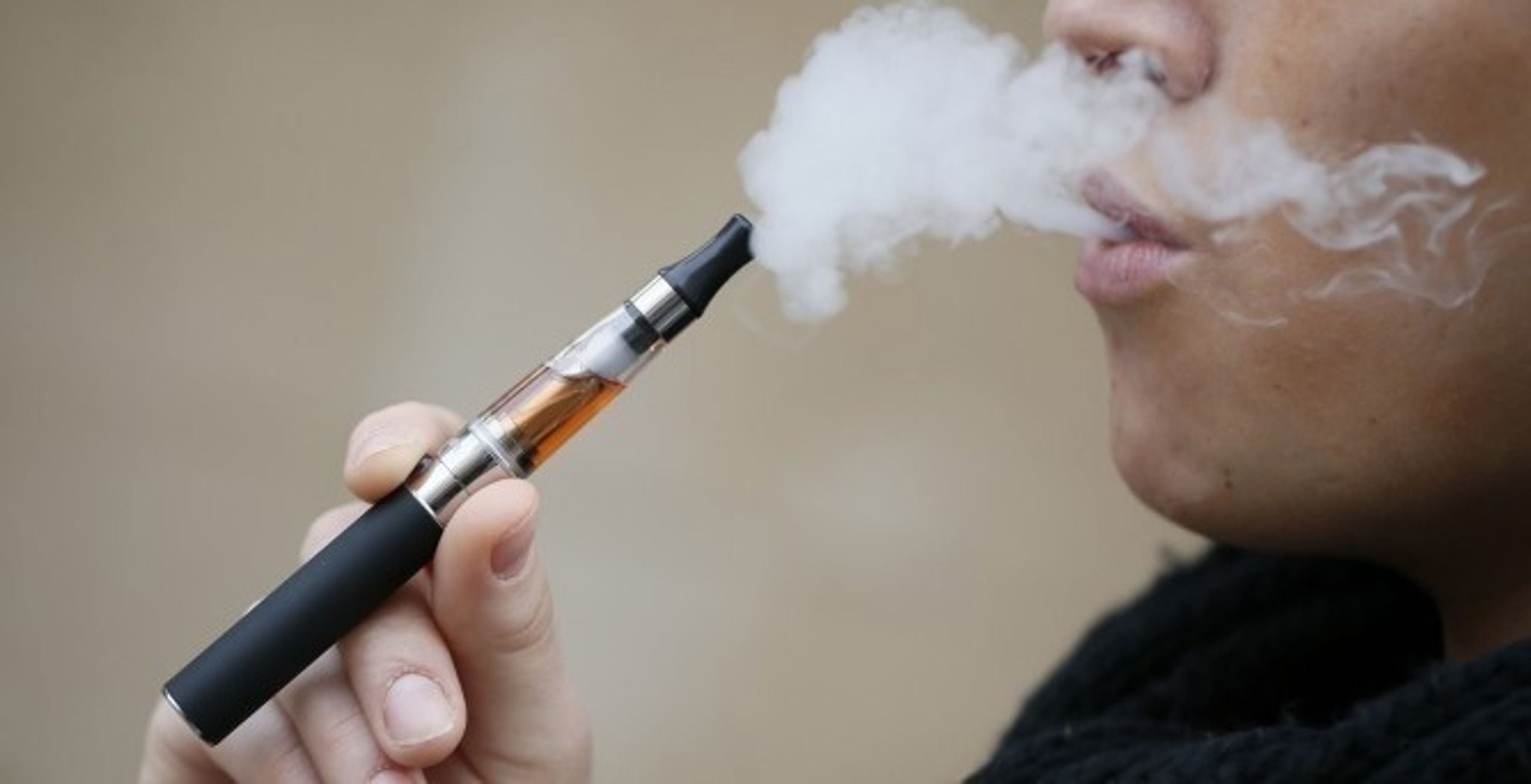
The Argentine government has reversed a 2011 ban on nicotine products, now permitting the local sale of vapes, nicotine pouches, and heated tobacco, provided they are registered and adhere to quality standards. Minors under 18 are still prohibited from purchasing these items. Officials argue the ban drove consumption underground, making it untraceable and uncontrolled, and that regulation will allow for taxation and oversight. However, critics decry this as a dangerous rationale, suggesting it prioritizes commercial interests over public health. The new regulations stipulate that only tobacco-derived nicotine will be allowed, and flavorings in vapes will be eliminated. This move also lifts a March 2023 prohibition on heated tobacco, unblocking a $300 million investment project by Philip Morris International in Argentina. Medical societies, including the World Health Organization and the Argentine Society of Pediatrics, strongly oppose the decision, citing scientific evidence that these products are harmful and damage vital organs. They highlight risks of elevated blood pressure, vascular damage, heart attack, arrhythmias, lung injury (EVALI), and the release of carcinogens from heated tobacco. Nicotine's adverse effects on adolescent brain development, impacting memory and attention, are also a significant concern. Critics fear the legalization sends a misleading message to teenagers, potentially increasing consumption, as evidenced by a 2025 survey showing 35.5% of minors aged 13-17 had used e-cigarettes. The national measure is contrasted with a recent Buenos Aires City Legislature ruling that imposes stricter restrictions and fines on the sale, advertising, and consumption of these products, aligning them with traditional cigarettes and including educational measures.
Argentina's policy shift on nicotine products represents a complex trade-off between potential tax revenue and regulatory control versus established public health warnings. The government's rationale emphasizes bringing an informal market under official oversight, a strategy that could theoretically improve traceability and taxation. However, this approach risks normalizing products with documented health risks, particularly for younger demographics, by removing the outright prohibition. The decision appears to prioritize economic considerations, such as facilitating foreign investment, over the consensus of major medical and scientific bodies. This creates a systemic tension: while aiming for control, the policy may inadvertently expand access and acceptance of harmful substances. Future public health outcomes will depend heavily on the stringency and enforcement of the new regulations, and whether they can effectively mitigate the risks highlighted by the scientific community, especially in light of historical industry tactics used to broaden markets.
AI-generated to prompt reflection — not editorial opinion, not advice, not a statement of fact. How this works.