Argentina Moves to Trial in Absence for 1994 AMIA Bombing
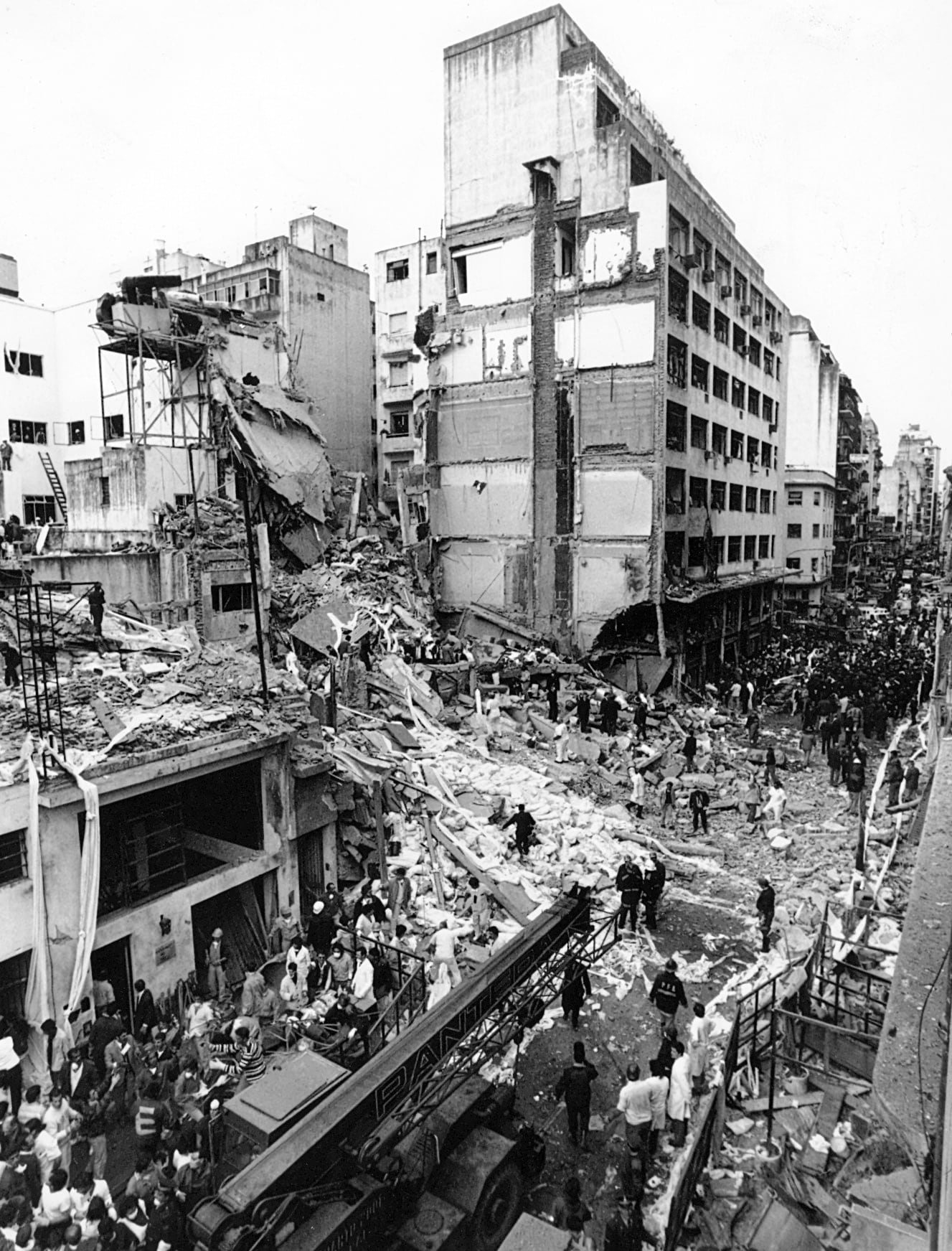
Argentina is seeking to hold a trial in absentia for the 1994 bombing of the AMIA Jewish community center, the deadliest terrorist attack in Latin American history. The attack, which killed 85 people and injured over 300, is attributed to Hezbollah members acting on the orders of Iranian authorities, according to evidence compiled in the case. This investigation line was initially pursued by prosecutor Alberto Nisman. Current judicial officials, including Judge Daniel Rafecas and the head of the Fiscal Unit, Sebastián Basso, are considering the request for an in absentia trial, following applications from AMIA-DAIA and a group of victims. This legal mechanism was recently enabled by reforms to national and federal procedural codes. However, the defense counsel for the identified accused has opposed the trial, deeming it unconstitutional. The accused, who have been fugitives for years and evade Interpol red notices, have publicly stated they do not recognize Argentine jurisdiction and will not appear in court. They reportedly travel to countries like Venezuela, Nicaragua, and Russia, allegedly with political complicity from those governments and by abusing diplomatic passports, which hinders international detention efforts. The AMIA president, Osvaldo Armoza, urged swift resolution of these legal debates to enable the trial, emphasizing the need to overcome bureaucratic hurdles and past investigative inefficiencies. He also referenced a ruling by the Inter-American Court of Human Rights that aims to remove obstacles to a public trial.
This legal push for an in absentia trial highlights the persistent challenge of achieving justice when perpetrators evade national jurisdiction. The accused's alleged defiance and international travel, potentially facilitated by political alliances and diplomatic immunities, underscore systemic vulnerabilities in international cooperation against terrorism. The legal debate over the constitutionality of trials in absentia, particularly for severe offenses, reflects a fundamental tension between the imperative to prosecute and the rights afforded to defendants, even those in flight. Moving forward, the case may prompt a re-evaluation of diplomatic immunity protocols and the effectiveness of international arrest warrants when faced with state-level non-cooperation, potentially influencing future strategies for transnational justice in the coming decade.
AI-generated to prompt reflection — not editorial opinion, not advice, not a statement of fact. How this works.