Argentina Overcomes Two-Goal Deficit in Historic World Cup Victory
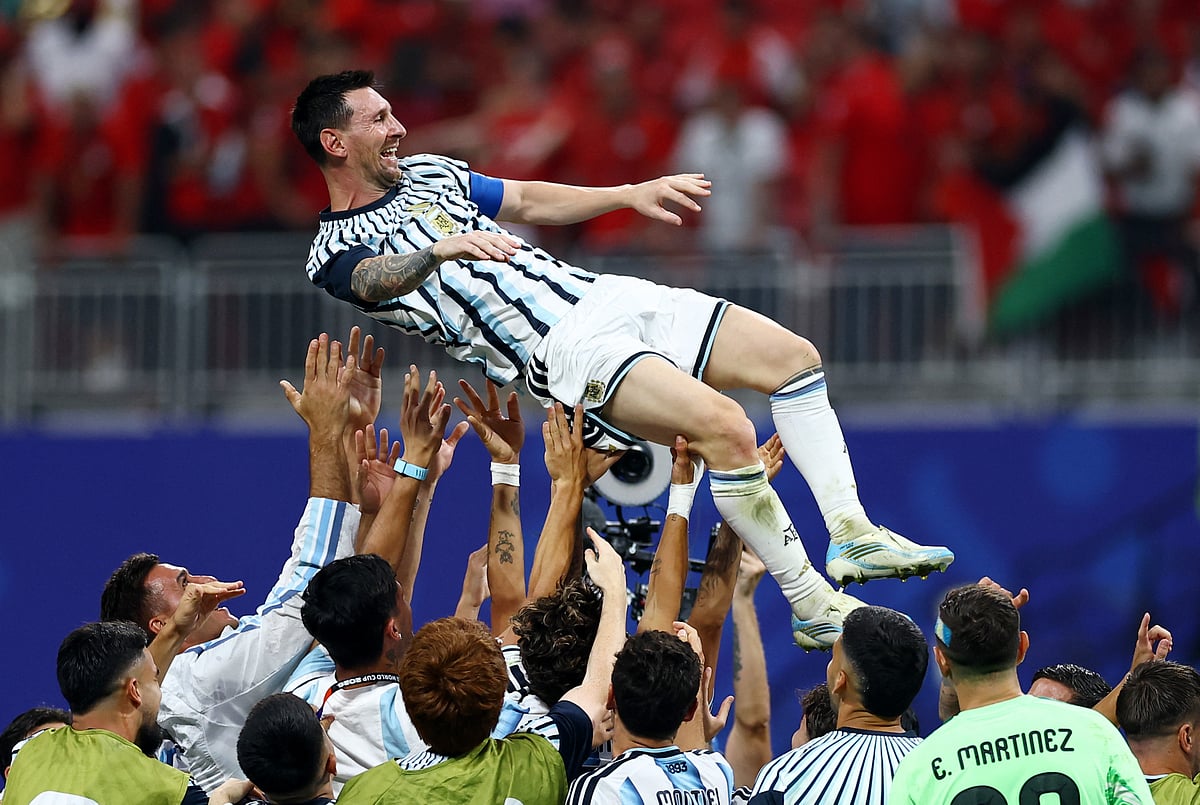
In a remarkable turn of events, the Argentinian national football team achieved an unprecedented feat in the World Cup, coming from behind to win a match after trailing by two goals. For 78 minutes, Egypt held a commanding 2-0 lead, a situation from which Argentina had never before managed to secure a victory in World Cup history. However, Lionel Messi and his teammates defied this historical trend, mounting a comeback that ultimately saw them win the game. This victory marks a significant moment, showcasing the team's resilience and ability to overcome challenging circumstances on the world stage. The match highlighted a dramatic shift in momentum, demonstrating the unpredictable nature of top-tier football competitions. The Argentinian squad's performance under pressure has been noted as exceptional, setting a new benchmark for the team's capabilities.
This match demonstrates the critical role of psychological resilience and tactical adjustments in high-stakes sporting events. The Argentinian team's ability to overcome a two-goal deficit, a historically challenging scenario for them, suggests effective in-game management and a strong mental fortitude. Such comebacks can significantly impact team morale and public perception, potentially influencing future performance and strategic planning. The event underscores how established historical patterns in sports can be disrupted by exceptional team dynamics and coaching decisions, offering insights into the evolving nature of competitive sports strategy.
AI-generated to prompt reflection — not editorial opinion, not advice, not a statement of fact. How this works.