Argentina Postpones Fuel Tax Hikes Again Until September
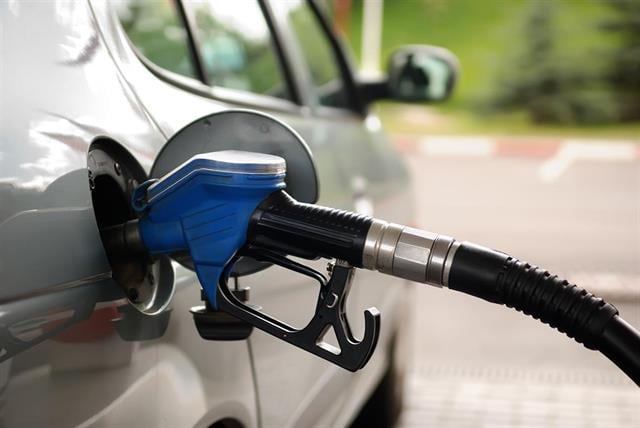
The Argentine government has once again partially postponed the implementation of fuel tax increases. The measure defers the full application of pending tax increments on gasoline and diesel until September. This deferral specifically covers adjustments that were accumulated throughout 2024, 2025, and the first quarter of 2026. The decision indicates a continued effort by the administration to manage inflationary pressures and provide some relief to consumers and the transportation sector. These tax adjustments are typically linked to inflation and are intended to be phased in over time. The repeated postponements suggest a delicate balancing act by the government, attempting to fiscal responsibility with the immediate economic needs of the population. The full impact of these tax increases on fuel prices and the broader economy will now be delayed, with the next review point set for September.
The Argentine government's repeated deferral of fuel tax increases highlights a persistent tension between fiscal consolidation and the immediate socio-economic impact of such policies. By postponing these adjustments, the administration likely aims to mitigate inflationary pressures and maintain consumer affordability, particularly in the transportation sector. However, this strategy creates a growing fiscal deficit, as tax revenues are not being collected as planned. This recurring deferral pattern suggests a short-term palliative approach that may exacerbate long-term fiscal imbalances and could lead to larger, more disruptive tax hikes in the future if not addressed systematically. The government faces the challenge of finding a sustainable path that balances revenue needs with economic stability and public sentiment.
AI-generated to prompt reflection — not editorial opinion, not advice, not a statement of fact. How this works.