Argentina's 2026 World Cup Runner-Up Squad Returns Home Without Celebrations
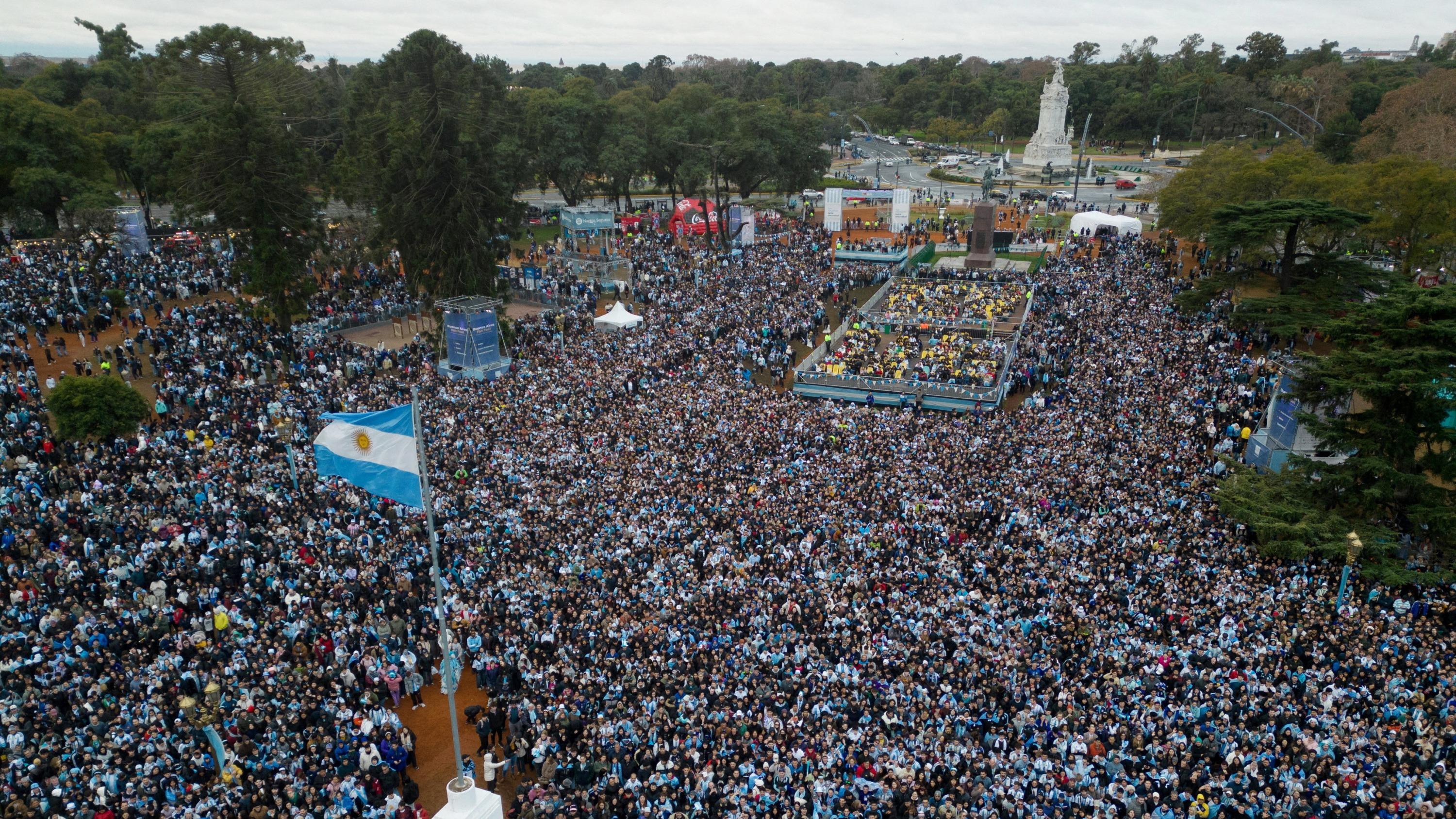
Following their 1-0 defeat to Spain in the 2026 World Cup final on Sunday, the Argentine national football team has returned home in a scattered manner. No official celebrations are planned for the vice-world champions. The team's return was described as 'en ordre dispersé,' indicating a lack of unified homecoming or immediate public reception. This subdued return contrasts with the typical fanfare often associated with a national team reaching a World Cup final. Lionel Messi and some of his teammates are reportedly not returning directly to Argentina, suggesting individual arrangements or immediate departures for club commitments. The absence of planned celebrations underscores the disappointment of falling short in the final match.
The subdued reception for the Argentine national team after reaching the 2026 World Cup final highlights the intense pressure and high expectations placed on elite sporting squads. While a runner-up finish is a significant achievement, the focus on the loss rather than the accomplishment suggests a cultural emphasis on ultimate victory. This dynamic can create considerable psychological strain on athletes, potentially impacting future performance and well-being. In the evolving landscape of global sports, managing player expectations, providing robust mental health support, and fostering resilience against the backdrop of relentless competition will become increasingly critical for both individual success and the long-term health of sporting organizations.
AI-generated to prompt reflection — not editorial opinion, not advice, not a statement of fact. How this works.