Argentina's Auto Production and Exports Decline in First Half of Year
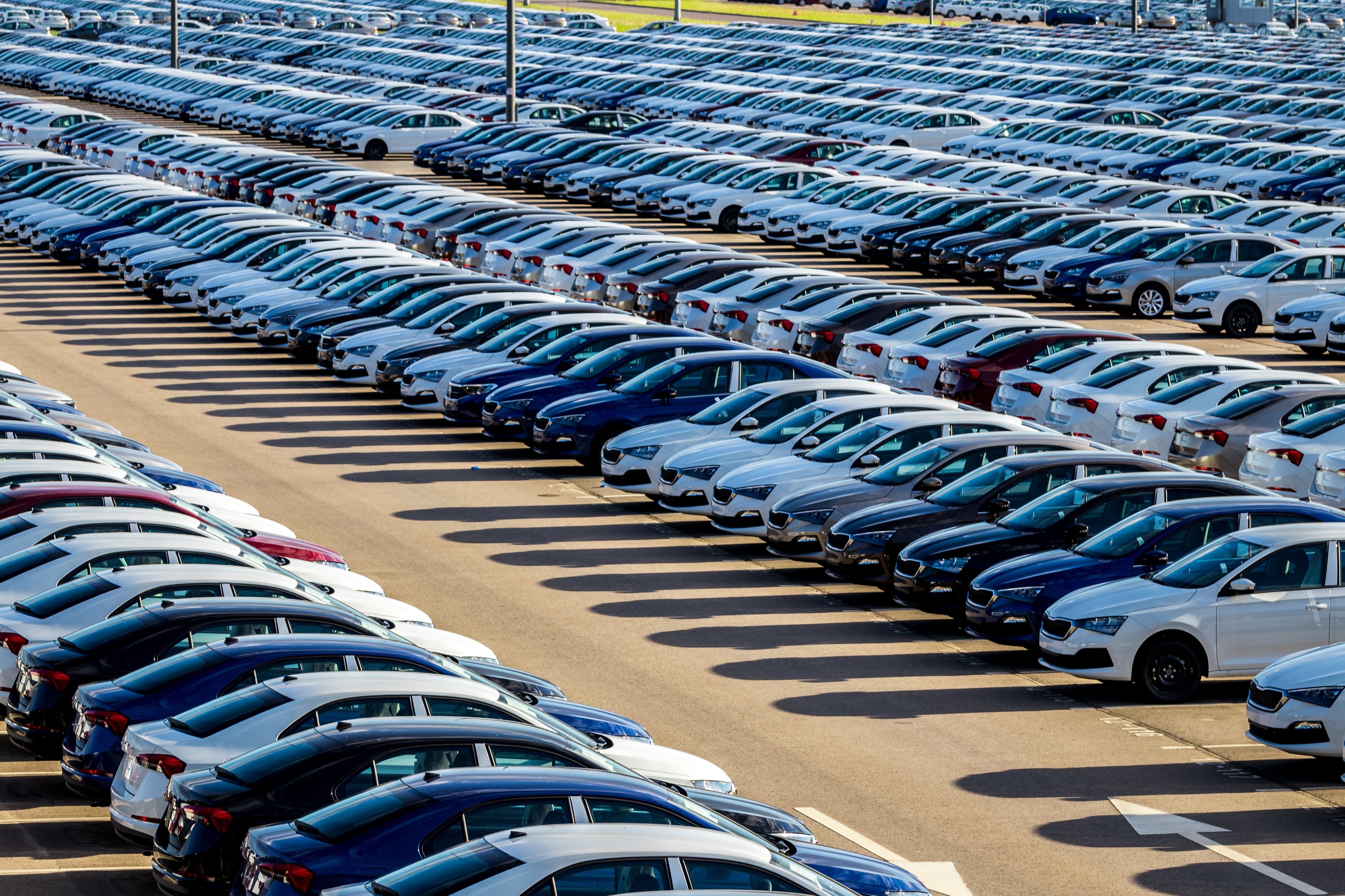
The production, exports, and wholesale sales of new vehicles manufactured in Argentina experienced a contraction during the first half of the year. This downturn affects the automotive sector, which is a significant contributor to the national economy. Specific figures for the decline were not provided in the source material, but the trend indicates a challenging period for domestic car manufacturing and its international trade. The industry is now looking towards the latter half of the year with hopes for a recovery. This projected reactivation is crucial for meeting annual targets and stabilizing the sector's performance. The automotive industry in Argentina plays a vital role in employment and industrial output, making this slowdown a point of concern for economic stakeholders. The source does not detail the specific reasons for the decline, such as supply chain issues, global demand fluctuations, or domestic economic factors. However, the expectation of a rebound suggests underlying confidence in future market conditions or planned industry interventions. The performance in the first six months sets a baseline for the industry's recovery efforts in the coming months.
The reported decline in Argentina's automotive production and exports during the first half of the year highlights the sector's sensitivity to broader economic conditions and global market dynamics. While the industry anticipates a second-half recovery, this projection hinges on factors such as domestic policy stability, international trade agreements, and the resolution of potential supply chain disruptions. Understanding the root causes of this contraction, whether internal or external, is key to fostering sustainable growth. The automotive sector's performance often serves as a barometer for industrial health, and its fluctuations can have ripple effects on employment and related industries. Future resilience may depend on diversifying export markets, enhancing technological adoption, and navigating evolving consumer preferences in the context of global decarbonization trends.
AI-generated to prompt reflection — not editorial opinion, not advice, not a statement of fact. How this works.