Argentina's Central Bank Charter: Milei Seeks to Overturn Previous Reforms
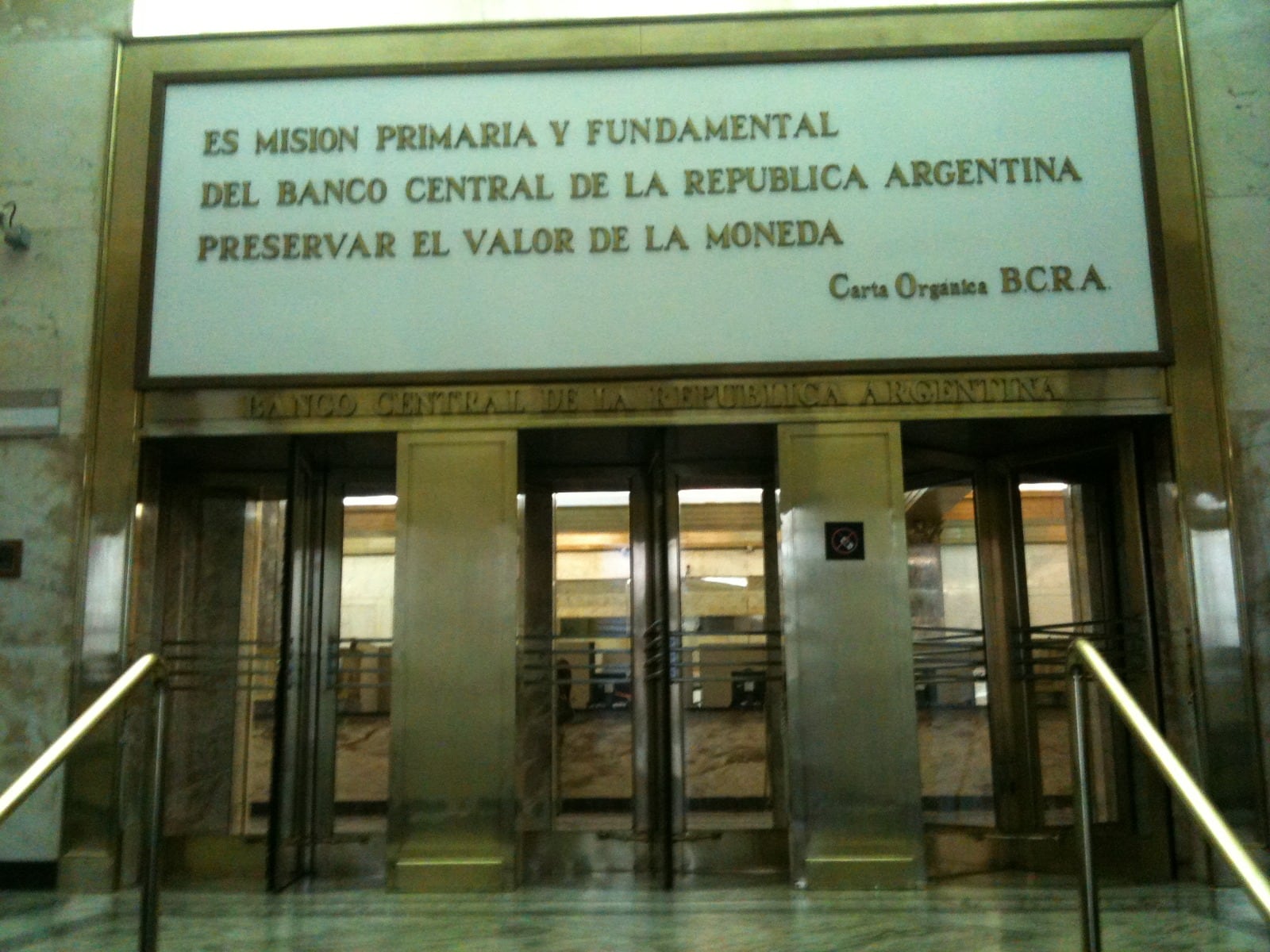
Argentine President Javier Milei intends to reverse modifications made to the charter governing the nation's central bank, the BCRA. These changes were implemented during the presidency of Mercedes Marcó del Pont and are now deemed "a horror" by the current administration. The core of the debate surrounding this proposed reform centers on the defense of the currency's value. The Milei government aims to restore the original framework of the BCRA's governing law, suggesting that the prior alterations compromised its ability to maintain monetary stability. This move signals a significant shift in economic policy and a potential reassertion of presidential control over monetary authority. The specific details of the proposed changes and their potential impact on inflation and economic stability are expected to be a major point of contention. The government's justification emphasizes a return to foundational principles of currency management. The debate highlights the ongoing tension between political objectives and the technical requirements of central banking in Argentina. The outcome of this proposed reform could have far-reaching consequences for the country's economic future.
President Milei's proposed reform of the BCRA's organic charter reflects a fundamental disagreement over the operational independence and policy objectives of the monetary authority. The stated intention to revert to a previous structure, driven by a perception of past reforms as detrimental, suggests a prioritization of direct presidential influence on monetary policy, potentially to enforce a specific vision for currency value. This approach may create tension between short-term political goals and the long-term imperative of price stability, a common challenge in emerging economies. The effectiveness of such a reform will depend on balancing the government's mandate with the need for an independent central bank capable of navigating complex economic conditions and maintaining credibility with domestic and international markets. Future economic policy will likely be shaped by how this institutional balance is ultimately struck.
AI-generated to prompt reflection — not editorial opinion, not advice, not a statement of fact. How this works.