Argentina's Central Bank Charter Reform: Key Principles for Stability
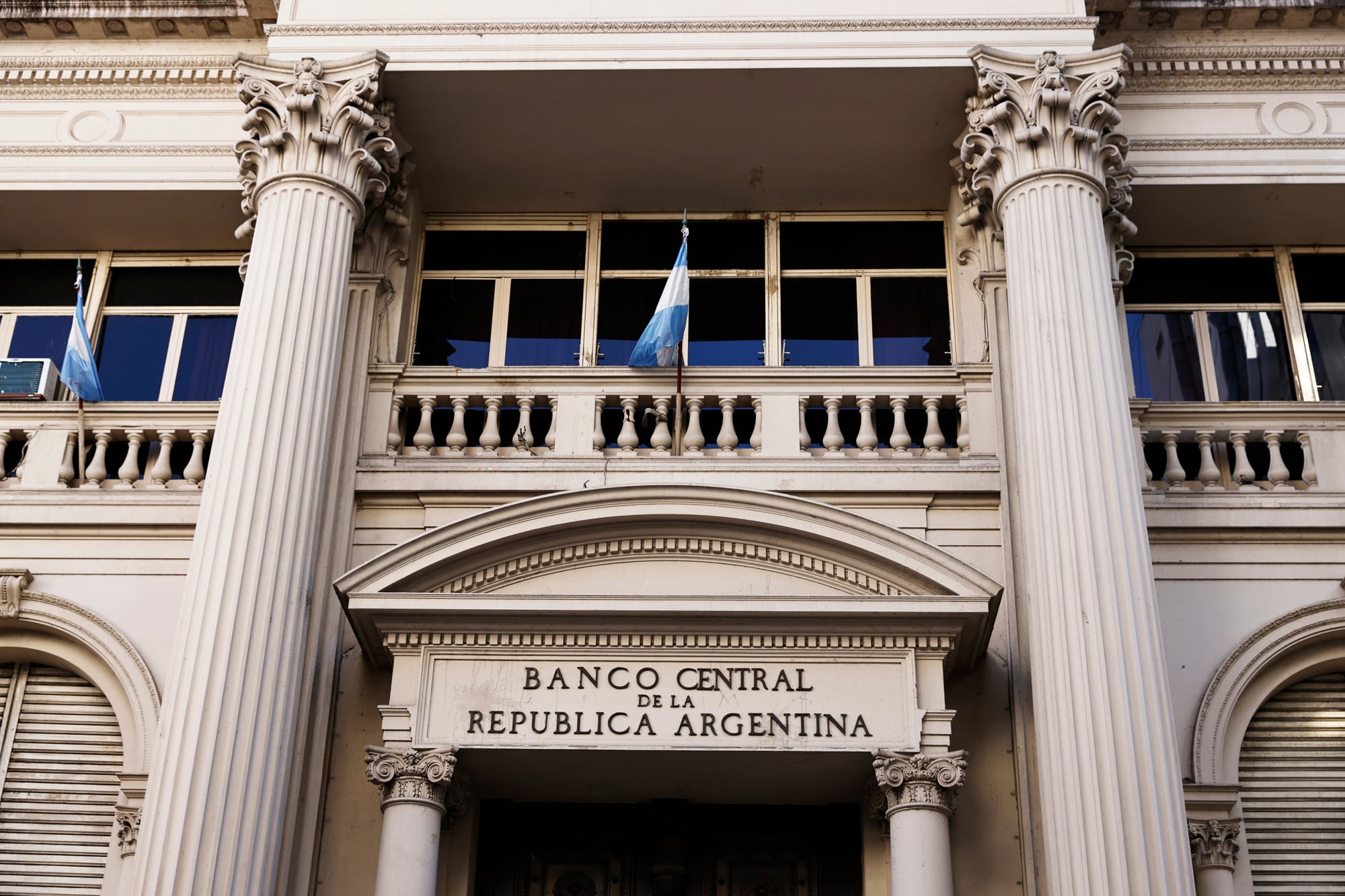
Argentina's Executive Branch is preparing to introduce legislation for a new Organic Charter for the Central Bank (BCRA), intended to replace the current, unconventional charter from 2012. This initiative aims to incorporate fundamental principles widely accepted globally for monetary authorities. These principles are exemplified by the central banks of major economies such as the U.S. Federal Reserve, the Bank of Japan, the European Central Bank, the Bank of England, and Sweden's Riksbank. The core tenets include political independence, adherence to legally defined objectives, maintaining currency value (price stability), prohibiting unbacked currency financing of the Treasury, and rigorous financial system regulation and control, all subject to external audits. Political independence is crucial for isolating monetary decisions from political pressures, fostering a healthy economy and long-term societal benefits. This independence empowers central banks to implement necessary but potentially unpopular measures, like raising interest rates or restricting liquidity, to combat inflation, even against government opposition. Conversely, succumbing to political demands for lower rates or increased liquidity to avoid short-term economic slowdown can lead to higher inflation and reduced growth. Transparency is also vital, with the publication of monetary policy meeting minutes, regular press conferences, and forecasts helping to reduce market uncertainty. Furthermore, the central bank must technically and independently regulate and control financial institutions. Historically, Argentina's central bank has not consistently adhered to these principles, leading to decades of recession, high inflation, and poverty. The author expresses hope that the current authorities will incorporate these basic principles into the new charter to avoid repeating past economic failures.
The proposed reform of Argentina's Central Bank Organic Charter highlights a global consensus on the structural requirements for effective monetary policy. The emphasis on political independence, clear legal mandates, and fiscal discipline reflects a systemic understanding that insulating monetary decisions from short-term political expediency is paramount for long-term economic stability and price stability. The analysis implicitly critiques past Argentine economic performance by contrasting it with models that prioritize these principles, suggesting that adherence to such a framework could mitigate recurring cycles of inflation and stagnation. The core tension lies in balancing the technical imperatives of monetary policy with the political realities of governance. Future success will depend on the robustness of the new charter's independence clauses and the institutional mechanisms designed to enforce them, particularly in the face of potential political pressures that could prioritize immediate economic stimulus over sustained price stability.
AI-generated to prompt reflection — not editorial opinion, not advice, not a statement of fact. How this works.